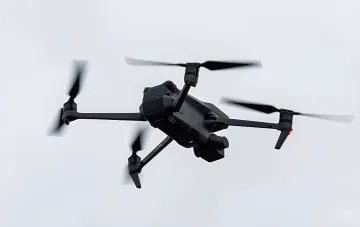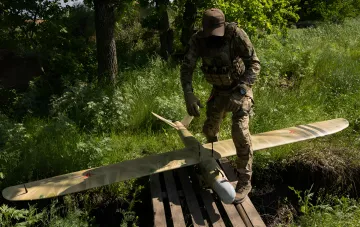
On the night of August 11, 2026, powerful explosions rocked the entire territory of Russia, resulting from a large-scale coordinated attack by unmanned aerial vehicles. The focus of the events was on strategically important objects of the fuel and energy complex and the capital of the Russian Federation. According to operational reports, fire engulfed the Komsomolsk Oil Refinery (NPP) in the Khabarovsk Territory, as well as the "Orsknefteorgsintez" enterprise in the Orenburg region. At the same time, the Moscow air defense system repelled an unprecedented number of attacking strikes.
Fire at Komsomolsk Refinery: a blow to the energy sector of the Far East
One of the most significant incidents of the night was a fire at the Komsomolsk Refinery, located in the Khabarovsk Territory. As witnesses report and OSINT communities confirm, the plant became a target of Ukrainian drone strikes. This enterprise plays a critical role in the economy of the Far East, being the main supplier of oil products for the region. The design capacity of the plant is 8.5 million tons of oil per year, which makes its failure a serious blow to logistics and supply of border territories.
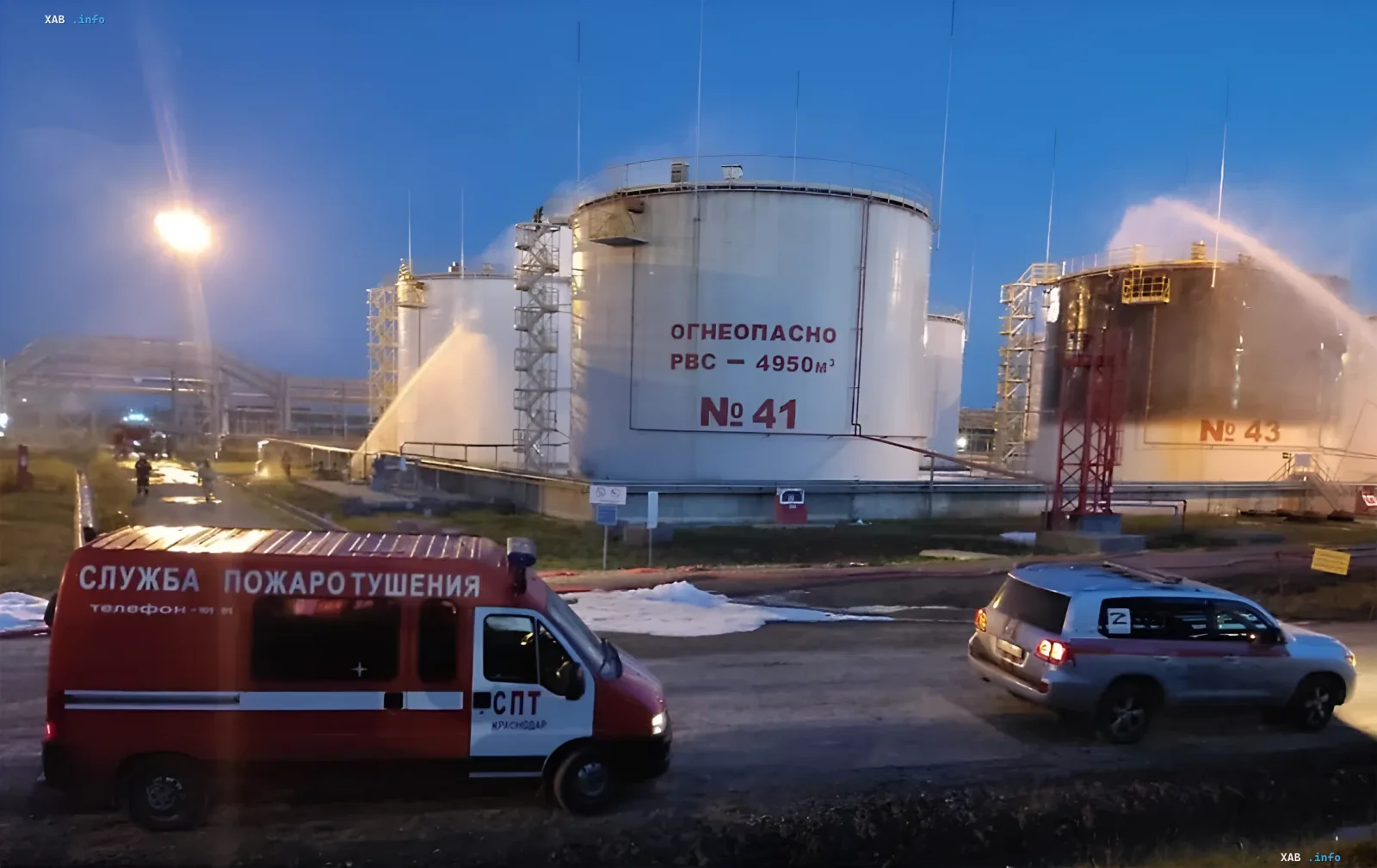
In the footage published in open sources, burning tanks with the inscription "Flammable" are visible. Fire services are actively working to localize the fire, but the scale of the fire raises concerns about the duration of the restoration of production capacity. A strike on this object could lead to a fuel shortage in the region and an increase in the price of gasoline and diesel fuel in the coming weeks.
Explosions in Orenburg: fire thousands of kilometers from the front
Parallel to the events in the Far East, a large-scale fire broke out at the "Orsknefteorgsintez" refinery in the Orenburg region. The city of Orenburg is located about 1,500 kilometers from the Ukrainian border, which demonstrates the ability of the attacking forces to strike deep into the enemy's rear. According to sources, powerful explosions occurred at the enterprise, after which a strong fire started.
This incident confirms the trend of expanding the geography of strikes on Russian industrial infrastructure. The attack on "Orsknefteorgsintez" threatens oil product supplies to the Volga region and the Urals, creating additional logistical difficulties for the Russian economy in the context of the ongoing conflict.
Massive attack on Moscow: figures and facts
While fire raged at the plants, the capital of Russia faced the largest drone attack in recent months. Moscow Mayor Sergei Sobyanin stated in his address to the city residents that between 20:30 on August 10 and 8:30 on August 11, 237 drones were flying towards the Moscow region.
Sobyanin assured residents that the air defense system worked effectively: most drones were shot down even at the distant approaches to the region. Another 13 devices, according to him, were destroyed directly on the approach to Moscow. Despite the lack of reports of mass casualties in the capital, the very fact of such a concentration of attacking forces indicates a serious increase in pressure on the political and economic center of the country.
Contradictory data
In the context of attacks on oil refineries, there are discrepancies in sources regarding the exact status of objects and the causes of fires. While the ASTRA channel and RBC-Ukraine directly link the fires to Ukrainian drone strikes, some Russian sources may try to minimize the scale of damage or point to technical failures as the primary cause. In addition, data on the number of drones shot down over Moscow (237 units) are estimated and based on statements by city authorities, which often do not coincide with independent assessments by military analysts, who consider the real numbers of attackers to be smaller, but more targeted.
Economic consequences and context
The night attacks on August 11 coincided with other incidents in the Russian economy. Earlier that same night, one of the largest warehouses of the Wildberries marketplace caught fire, which already raised questions about the safety of logistics hubs. Experts note that after such attacks on infrastructure, sales of military goods on Russian marketplaces may show instability. Strikes on refineries and warehouses create a chain reaction affecting prices and availability of goods for the population, which in the long term may exacerbate the economic situation in the country.