
On the night of August 15, 2026, the Armed Forces of Ukraine repelled a large-scale aerial assault from the Russian Federation. According to official data from the Ukrainian Air Force, published in their Telegram channel, the enemy deployed an unprecedented number of attack drones for a simultaneous strike on the country's territory.
Scale and Composition of the Strike Wave
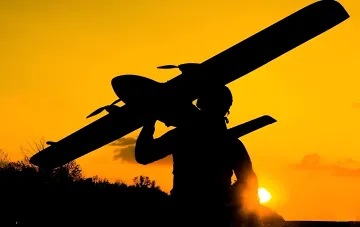
The total number of launched enemy drones amounted to 152 units. The arsenal of the Russian attack included various types of unmanned aerial vehicles, including the widely known Shahed-type kamikaze drones and their more modern modifications, including jet-powered ones. The attack also involved "Gerbera" type drones, specialized "Parody" type decoy drones designed to clog communication channels and overload air defense systems, as well as "Banderol" loitering munitions.
The attack was carried out along several strategic directions, creating a threat to infrastructure objects in the north, south, and east of Ukraine. The main attack vectors passed through border regions, including the Kursk, Orel, Millerovo, and Primorsko-Akhtarsk directions, indicating the enemy's attempt to breach the defense from different flanks simultaneously.
Effectiveness of the Air Defense System
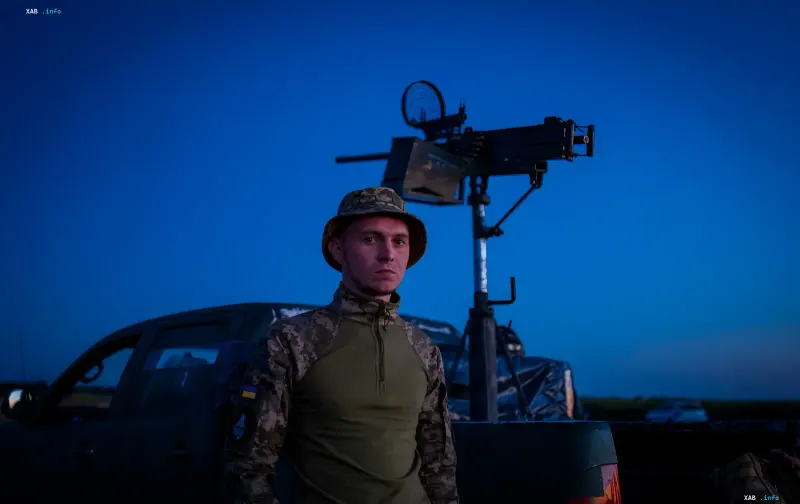
The country's defense was ensured by comprehensive air defense forces. Aviation, anti-aircraft missile troops, electronic warfare (EW) units, and mobile fire groups of the Defense Forces participated in repelling the attack. According to preliminary data, as of 09:00 on the morning of August 15, Ukrainian forces managed to shoot down or suppress 124 enemy drones of various types.
Among the neutralized targets were Shahed drones, "Gerbera" drones, and three units of "Banderol" loitering munitions. Despite the high effectiveness of the air defense, the enemy managed to strike a number of civilian and industrial objects, resulting in casualties among the civilian population and material damage.
Consequences of Strikes on Populated Areas
The most tragic consequences were recorded in the city of Marganets in the Dnipropetrovsk region. As a result of a drone hitting a multi-story residential building, a three-month-old child died. Another 11 people were injured with varying degrees of severity, seven of whom were hospitalized in critical condition. This incident became one of the heaviest pages of the night attack.
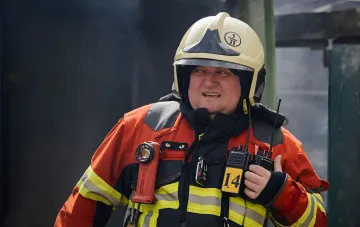
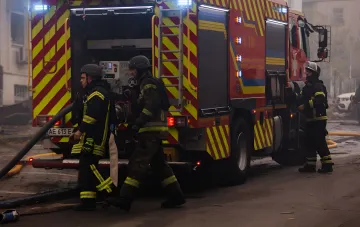
In Zaporizhzhia, strikes hit infrastructure objects. A hit was recorded at the "Epitsentr" shopping center, where a fire broke out, as well as on the territory of one of the industrial enterprises. In the Odesa region, in the Bilhorod-Dnistrovskyi district, Russian troops attacked a shoe factory. According to preliminary data, air strikes were recorded at 16 locations across the country.
Contradictory Data
Although official data from the Ukrainian Air Force indicates that 124 out of 152 drones were shot down, there are discrepancies in assessing the completeness of the picture. Russian sources often do not acknowledge losses or downplay them, while the Ukrainian side may not account for drones that were suppressed by EW means and fell in a neutral zone or on enemy territory. Furthermore, the exact number of "Parody" drones and their impact on air defense systems remains a subject of expert assessment, as these targets are not always recorded as direct hits but rather as failed attacks.