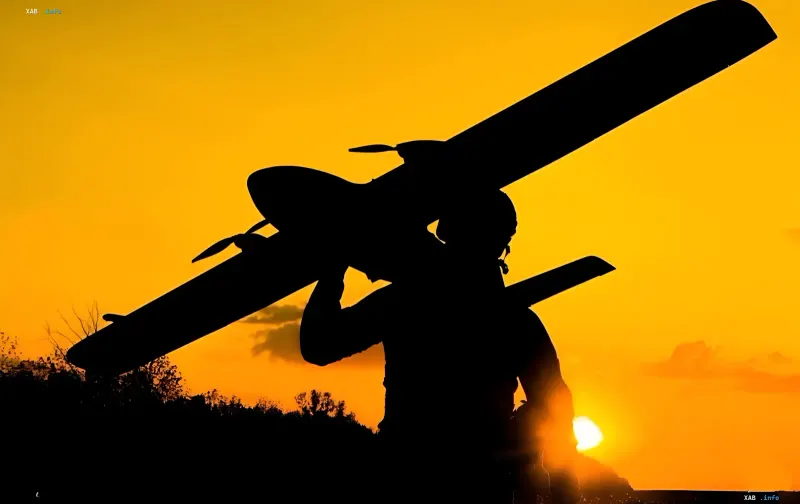
Ukraine's defense forces struck a Russian mobile radar station 'Kasta-2E2' (index 39N6) in the Zaporizhzhia region. This was reported by RBC-Ukraine, citing a statement from the General Staff of the Ukrainian Armed Forces, and the strike has been confirmed by the results of objective verification. According to military data, the target was hit on September 1 in the area of the settlement of Vyshneve in the Zaporizhzhia region: Ukrainian drones struck the radar antenna directly, as well as the equipment compartment of the radar complex.
The course of the strike and confirmation
According to the General Staff, the attack was carried out by small unmanned aerial vehicles that hit two key nodes of the station — the antenna and the equipment compartment. This type of damage effectively disables the complex's ability to detect air targets and transmit their coordinates. The success of the hit has been confirmed by objective verification, which rules out the version of a false alarm or damage to secondary elements.
What is the 'Kasta-2E2' and what is it used for by the enemy
The Russian mobile three-coordinate radar 'Kasta-2E2' (39N6) is designed to detect and track air targets at low and very low altitudes. The station determines the coordinates of objects and transmits them to the enemy's air defense control centers. The complex is capable of detecting aircraft, helicopters, cruise missiles, and drones, including those flying at ultra-low altitude. The range coverage zone is from 5 to 150 kilometers, and the altitude coverage is up to 6 kilometers. A small drone flying at an altitude of 60 meters can be detected by this radar at a distance of 30 to 44 kilometers; the exact range depends on the height of the antenna mast, which the enemy can raise up to 50 meters.
Tactical significance and cost of the complex
Striking a station of this class is significant not only in terms of cost but also in tactical effect: the 'Kasta-2E2' is one of the few means that allow the enemy to detect low-flying drones at very low altitudes, where they are most dangerous to ground infrastructure and equipment. Depending on the configuration, the approximate cost of such a radar station starts at $60 million, making it one of the most expensive elements of the air defense system.
Context: other strikes by the defense forces
The strike on the 'Kasta' was part of a series of confirmed hits. On the night of September 3, defense force units struck a Russian BK-16 landing craft in Sevastopol; the extent of damage to the vessel is being clarified. In addition, on September 2, the General Staff of the Ukrainian Armed Forces confirmed the destruction by Ukrainian military personnel of a MiG-29 aircraft and a Ka-27 helicopter of the aggressor country's army. The totality of these episodes reflects a sustained pattern of strikes against the enemy's air defense systems, aviation, and naval equipment.