On the night of August 18, 2026, the Moscow Region was subjected to a massive attack by unmanned aerial vehicles, the consequences of which are still being felt. According to Mosoblenergo, damage to power grid equipment left more than 10,000 consumers without electricity. This marked the first mass outage in the region since the beginning of the current year, causing serious concern among both residents and authorities.
Scale of Destruction and Emergency Mode
The Pavlovo-Posad branch of Mosoblenergo officially declared an emergency operating mode. The strike hit critical infrastructure: 109 transformer substations were de-energized. The affected areas included the city of Likino-Dulevo and the Orekhovo-Zuevo urban district. The company emphasized that damage to the equipment of the highest-level power grid organization led to a cascading outage, affecting not only the private sector but also 46 socially significant facilities, including hospitals, schools, and administrative buildings.
Record Attack Figures
Moscow Mayor Sergei Sobyanin announced shocking figures characterizing the scale of the night operation. From the evening of August 17 until 5:00 AM on August 18, 620 drones were launched towards the Moscow Region. This is one of the most massive raids in the last two years. According to air defense data, 180 drones were shot down directly over the territory of the region. The TASS agency called this raid the "greatest attempt to attack the Russian capital" since the start of full-scale hostilities, noting that the previous record for scale had been recorded only on Sunday.
Fires and Incidents at Infrastructure Facilities
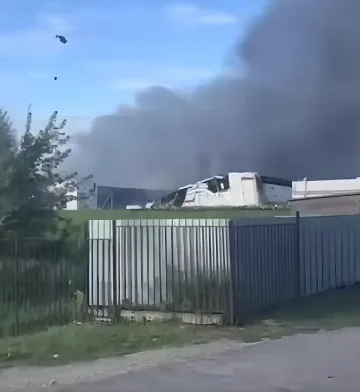
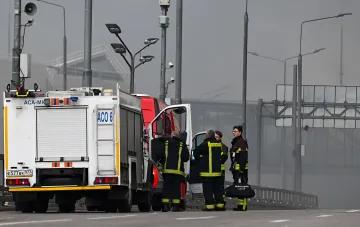
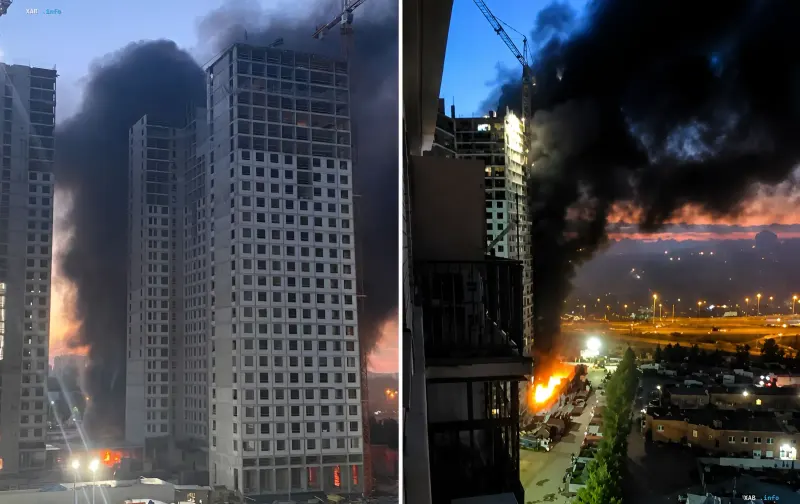
In addition to strikes on the energy sector, drones caused damage to other facilities. In the Bogorodsky district, one of the drones hit a warehouse complex of the Wildberries marketplace, where a strong fire broke out. The Governor of the Moscow Region, Andrey Vorobyov, reported that the fire was promptly localized by the Ministry of Emergency Situations (MChS). Fortunately, no casualties were recorded. Nevertheless, visual reports from the scene demonstrate the scale of the fire, accompanied by thick black smoke that was visible for many kilometers.
Contradictory Data
In the context of assessing the situation, there are discrepancies in the interpretation of the scale of the consequences. On the one hand, authorities emphasize the speed of response and the absence of casualties, calling the incidents "localized." On the other hand, experts and independent observers point out that the disconnection of 109 substations is a critical blow to the power system, which may have long-term consequences for the reliability of power supply in the region. Furthermore, the Ministry of Energy had previously stated acceptable power outage durations, but the current situation with the simultaneous disconnection of tens of thousands of people casts doubt on these standards under wartime conditions.
Historical Context and Forecasts
The last time such a massive blackout was recorded in the Moscow Region was at the end of December last year. Then, 120,000 people were left without power in Zhukovsky, Lotoshino, and Ramenskoye. Comparing these events shows that, although the number of victims in the current raid is smaller, the density of strikes on infrastructure in Likino-Dulevo and Orekhovo-Zuevo was significantly higher. Experts warn that with the onset of autumn and the growth in energy consumption, the risks of repeating such scenarios increase, requiring authorities to revise plans for protecting critical infrastructure.