Large-Scale Attack on Retail Infrastructure
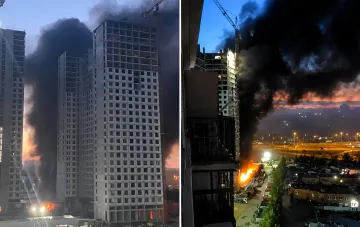
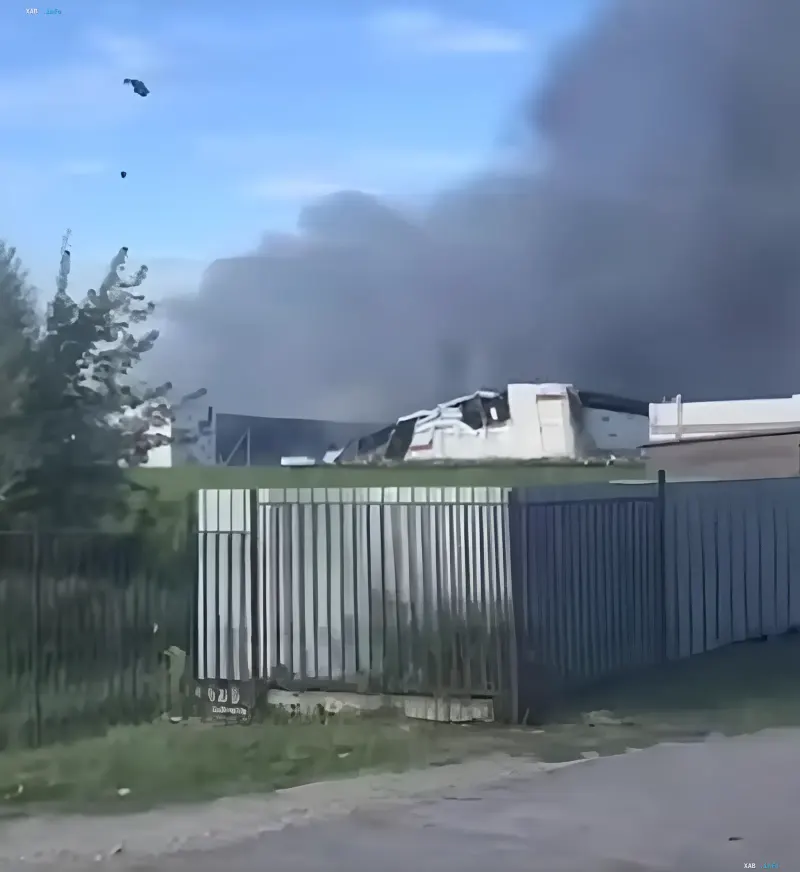
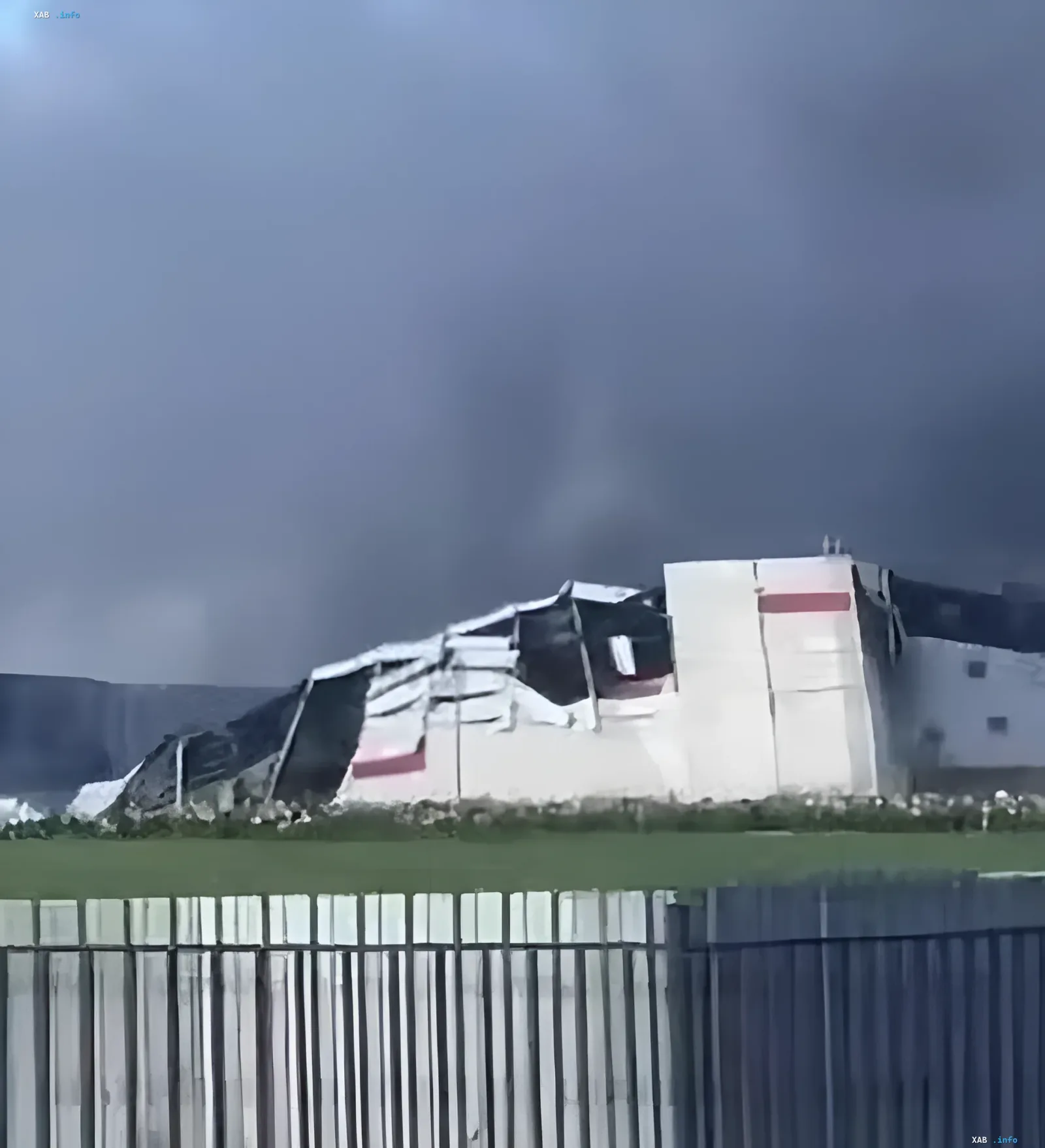
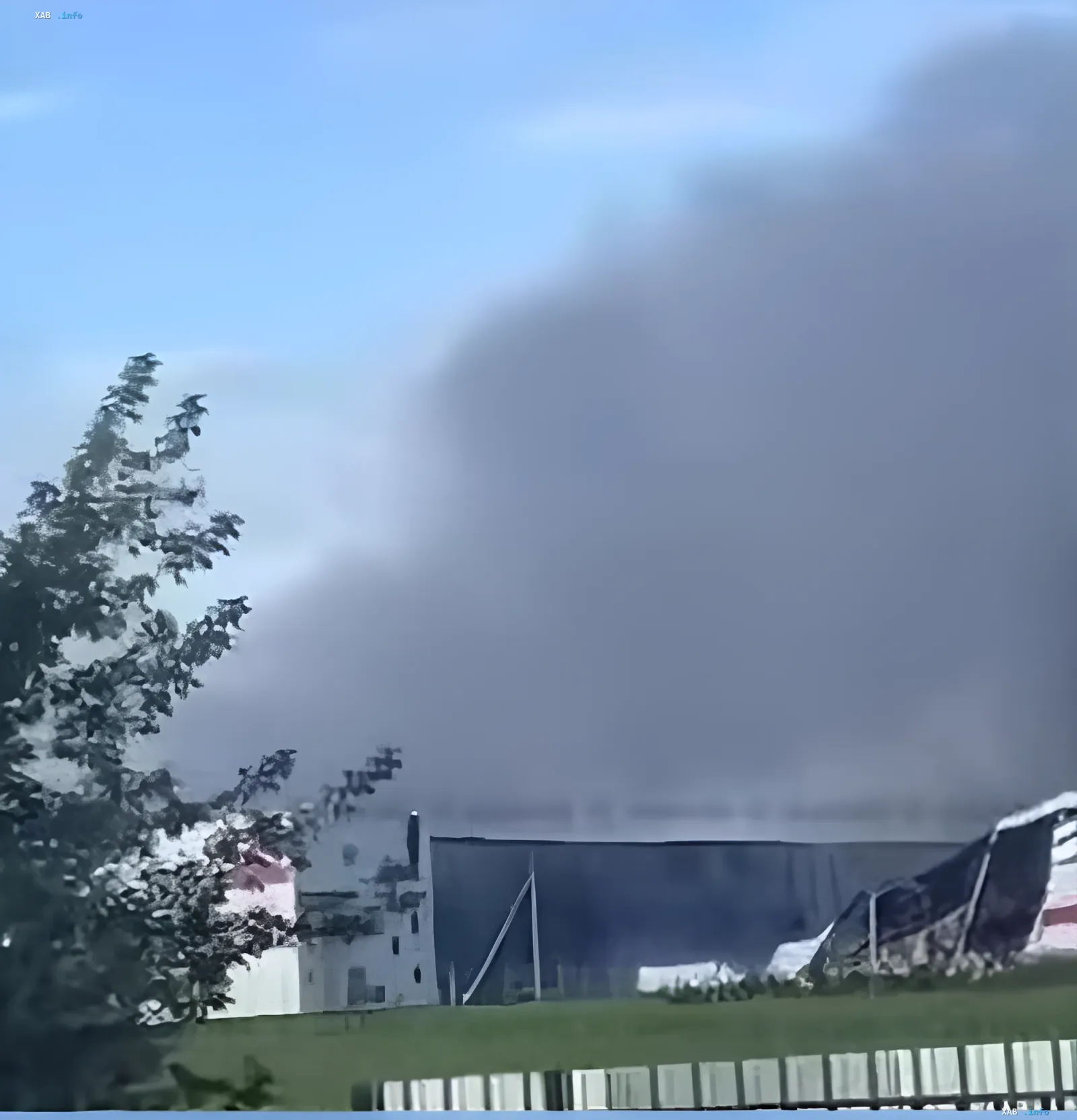
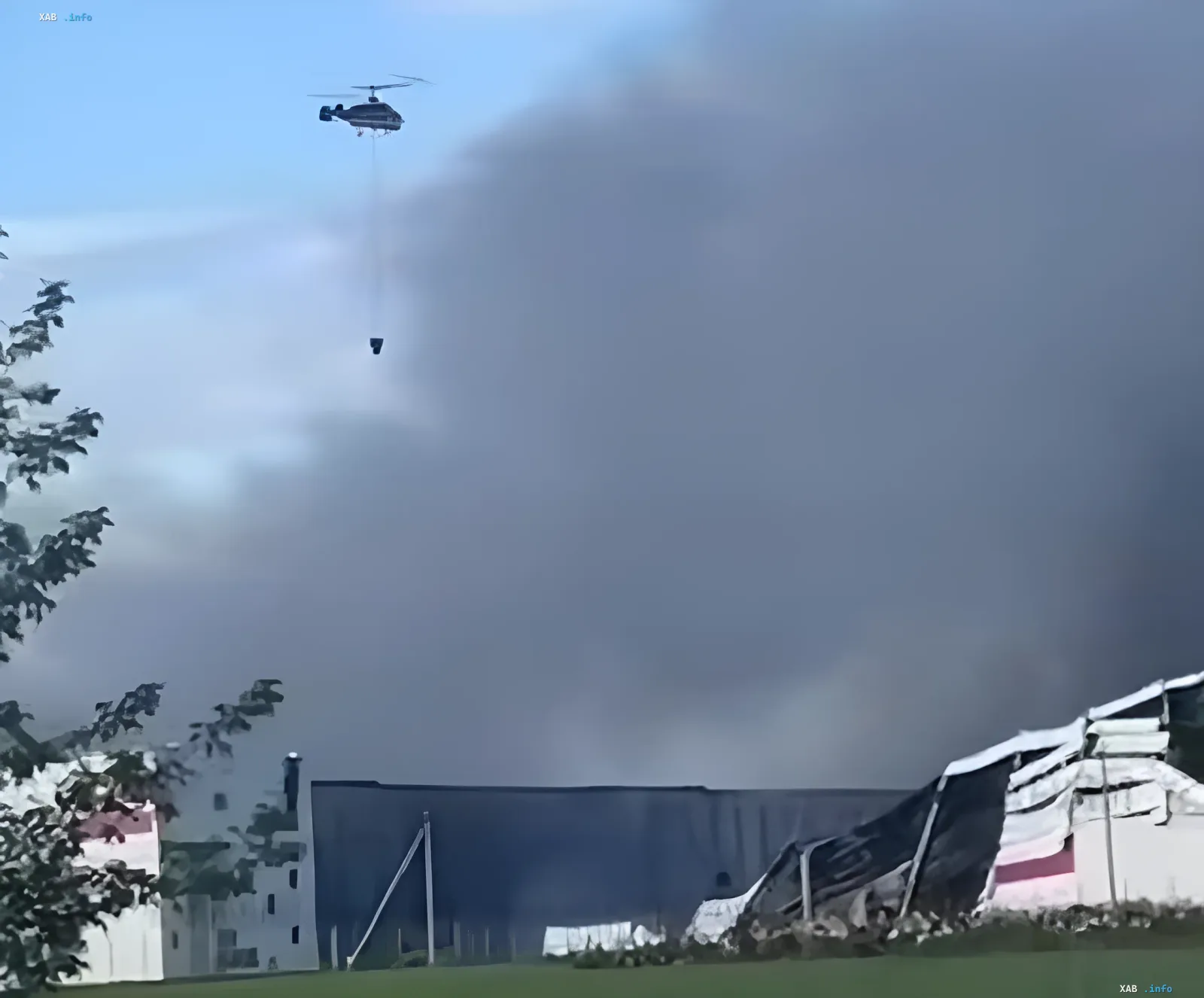
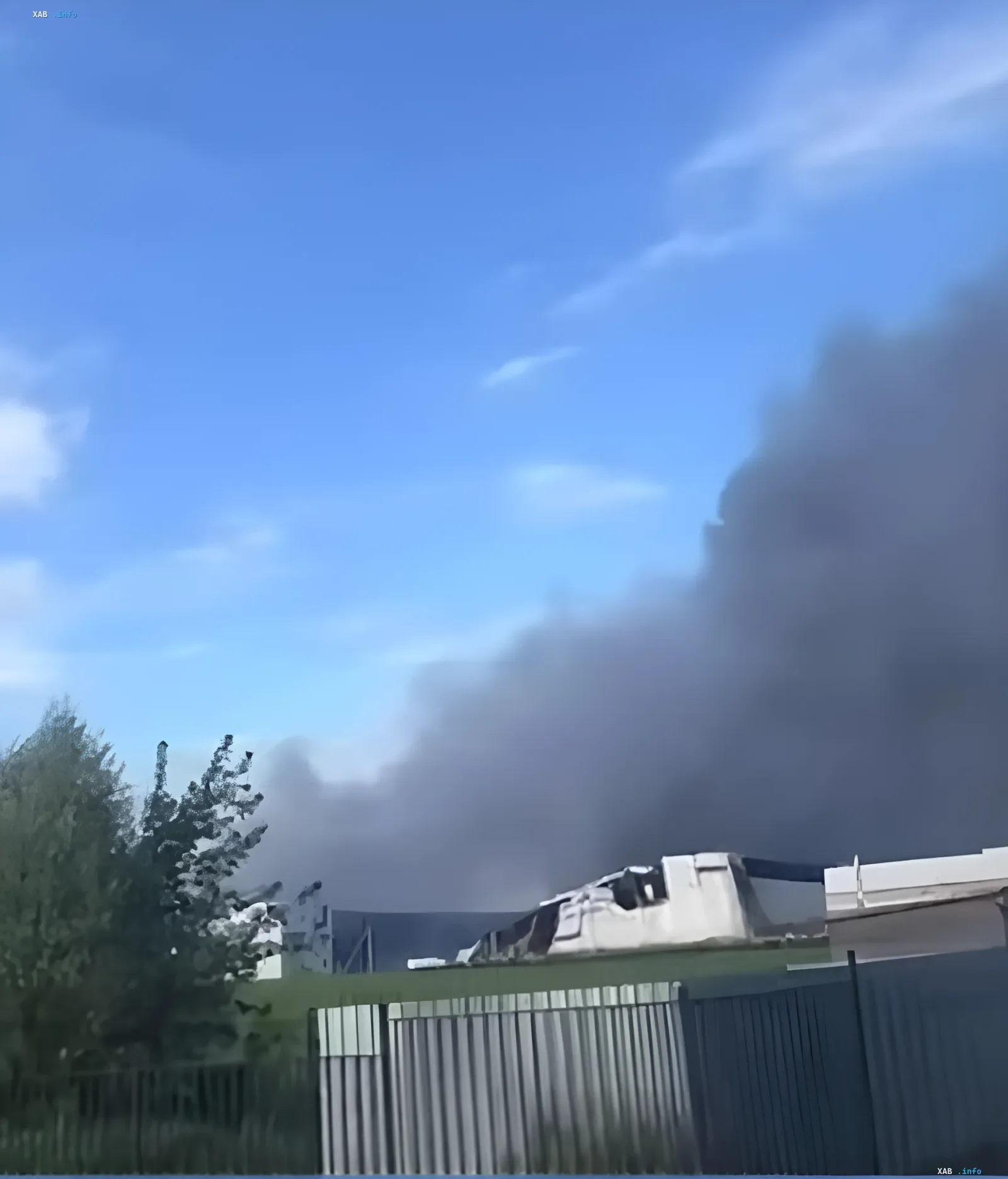
On August 16, 2026, the Moscow region became the target of an unprecedented strike that dealt a critical blow to key nodes of Russian logistics. On the night of Sunday, unmanned aerial vehicles (UAVs) struck two strategically important facilities: the Wildberries marketplace distribution center in the village of Kolodino (Podolsk Urban Okrug) and the "Northern Domodedovo" multimodal complex. The fire, which engulfed an area of over 200,000 square meters, required the deployment of EMERCOM aviation to localize the blaze.
Operational data indicates that the incident in Kolodino occurred around 03:30 AM. A few hours later, during daylight, a large-scale firefighting operation was launched at the scene. Verified footage captured the work of four fire helicopters dropping water on the burning structures. The official press service of the joint company Russ & Wildberries confirmed the fact of an "emergency situation" and a complete shutdown of the hub, as well as the emergency removal of all goods from the marketplace shelves.
Economic Consequences and Systemic Crisis
The strike on Kolodino is not an isolated incident but part of the systematic destruction of the logistics network of Russia's largest retailer. This is already the seventh of the company's ten largest centers taken out of commission during the summer of 2026. Previously, similar attacks were recorded in Bashkortostan, Elektrostal, and Tver. Experts estimate the total damage from the destruction of inventory in Kolodino and Domodedovo at up to 12 billion US dollars.
The situation is exacerbated by the refusal of insurance companies to cover risks associated with military actions and UAV attacks. This puts hundreds of thousands of independent sellers on the brink of bankruptcy, as they bear direct losses without the possibility of compensation. Analysts predict a cascading increase in consumer goods prices and delivery delays across Russia due to the paralysis of the key hub.
Synchronized Strike on Airports and Medicines
Simultaneously with the attack on the Wildberries warehouse, drones struck the "Northern Domodedovo" complex. There, Warehouse No. 15 containing medicines, covering an area of 56,000 square meters, collapsed completely. Dense smoke forced Rosaviatsia to implement Plan "Carpet," leading to a complete shutdown of Vnukovo, Domodedovo, and Zhukovsky airports. This created additional logistical problems for air transport and the supply of vital cargo.
Contradictory Data
There are discrepancies in the assessment of the scale of the attack between official statements by Russian authorities and data from the Ministry of Defense of Ukraine. Moscow Mayor Sergei Sobyanin spoke of an unprecedented wave of 600 drones, of which, according to him, 201 were destroyed by air defense systems, and fires arose "due to falling debris." At the same time, the Ministry of Defense of Ukraine officially confirmed successful strikes on logistics nodes, pointing to direct hits on targets. Differences in versions concern both the number of targets and the causes of the fires.
Long-Term Prospects and Business Migration
Under conditions of constant pressure on infrastructure, Wildberries has begun an urgent expansion and search for available space in Kazakhstan. This indicates a strategic review of logistics chains and an attempt to minimize risks from cross-border attacks. However, transferring capacity requires significant investment and time, which in the short term does not save from current losses.
The situation in Kolodino clearly demonstrates that deep rear strikes on commercial arteries are capable of paralyzing the internal market of the Russian Federation more effectively than classic economic sanctions. The destruction of warehouses and disruption of logistics lead to a shortage of goods and rising prices, which directly affects the economic well-being of the population.