On the night of 30 August 2026, the Ukrainian Defence Forces carried out a massive strike on Russian territory, as a result of which one of the country's largest oil refineries — KINEF (Kirishi Oil Refinery) in Leningrad Oblast — caught fire, while a series of explosions and prolonged secondary detonations were recorded in the area of the military airfield in Eysk, Krasnodar Krai. This is reported by Russian Telegram channels and OSINT accounts cited by RBC-Ukraine; some details have been confirmed by satellite fire monitoring and eyewitness video footage. According to the governor of Leningrad Oblast, the drone threat to the region was declared at approximately 02:06, after which air defence systems began engaging targets.
Kirishi: Strike on a Strategic Refinery
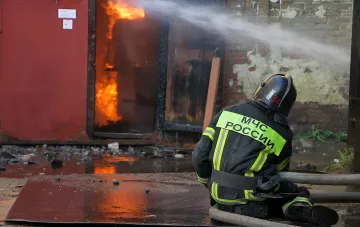
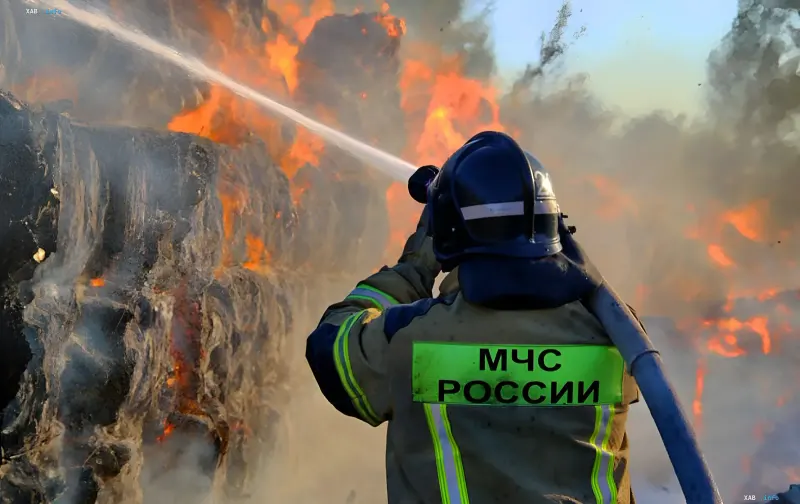
The central target of the night attack was the production capacity of KINEF — one of the key fuel suppliers for Russia's North-Western region and, according to analysts, an important source of fuel and lubricants for the army. The facility's processing capacity is around 20 million tonnes of oil per year. Despite the operation of air defence systems, OSINT accounts and satellite data recorded impacts on the processing units followed by ignition; by early morning, the fire on the plant's territory was personally confirmed by the regional governor. Footage from the scene that appeared on social media shows large-scale burning and thick smoke over the production site.
Eysk: Explosions at the Military Airfield
The second confirmed direction of the strike was Eysk in Krasnodar Krai. Following a series of explosions, local residents complained of prolonged repeated detonations, which was captured on video. The target of the attack was the joint-base military airfield of the Russian Navy's naval aviation, whose territory includes storage areas for ammunition and drones, as well as a training centre; the facility is used by tactical aviation for strikes on Ukrainian territory. It is precisely the presence of storage areas that explains the nature and duration of the secondary explosions recorded during the night.
Moscow and Air Defence Statistics
In parallel, drones also flew toward Moscow: Mayor Sergey Sobyanin reported that 10 aircraft were shot down over the capital. According to the latest data from Leningrad Oblast, air defence systems allegedly destroyed up to 42 drones. Russian official reports generally phrase the outcome as "dozens of drones shot down over the regions," without revealing details of the damage to specific facilities.
Contradictory Data
There is a noticeable gap between the official statements of Russian authorities and the materials of objective verification. On the one hand, the Russian Ministry of Defence and regional leaders emphasise the operation of air defence and present the results in the format of "all targets shot down." On the other hand, eyewitness videos, satellite fire-monitoring data (FIRMS) and reports from Ukrainian intelligence services record actual impacts and fires at key military-industrial facilities — in Kirishi and Eysk. An additional discrepancy arose around the target in Eysk: some sources initially called the target an "ammunition depot," whereas verification points to a military airfield, on whose territory such storage areas are located. Differences in the number of drones shot down (from 10 over Moscow to 42 over Leningrad Oblast) are also reported by different sources without a single confirmed summary.
Strategic Context: Pressure on the Fuel Market
The night attack was a continuation of a systematic campaign of strikes on Russia's oil-refining infrastructure. As a reminder, on 28 August the General Staff of the Ukrainian Armed Forces reported a strike on the Slavneft-YANOS refinery in Yaroslavl, after which a fire also broke out at the facility. According to Bloomberg, gasoline production in Russia fell to 70% of the level of domestic consumption in late August, precisely against the backdrop of Ukrainian attacks on refineries. In addition, on the eve Russia extended the ban on diesel fuel exports for producers — a decision made for the same reason. Thus, the strikes on KINEF and the military facilities in Eysk fit into a sustained trend of pressure on Russia's logistics and fuel market.