
In the night of September 26, Ukraine faced a large-scale air attack. According to the official report by the Air Force of the Armed Forces of Ukraine, Russian forces deployed 173 attack drones, launching them simultaneously across seven different directions. The raid affected key regions of the country, including the capital, major regional centers, and frontline territories, causing severe destruction and fires.
Scale of the Attack and Air Defense Operations
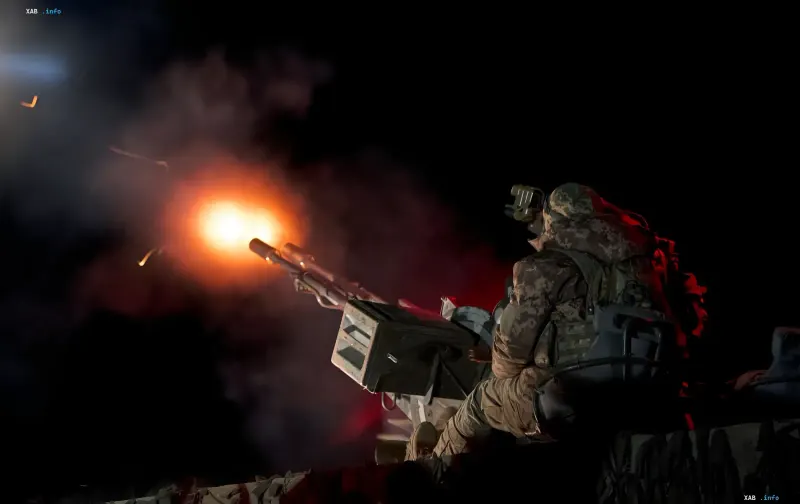
Ukraine's air defense systems operated in an enhanced mode throughout the night and morning hours. According to the operational report as of 08:00, anti-radar missile units, aviation, mobile fire groups, and electronic warfare assets successfully shot down and suppressed 134 air targets. This massive counteraction helped prevent even more catastrophic consequences, although direct hits could not be entirely avoided.
Consequences of Strikes Across Regions
The attack hit numerous critical and civil infrastructure facilities. Direct hits by enemy attack assets were recorded at 19 locations, while falling debris from intercepted drones caused damage and fires at another 8 sites. The most severe consequences were registered in Kyiv, Kharkiv, and Zaporizhzhia. In Zaporizhzhia, the strikes set fire to a residential building and a city market, resulting in fatalities and injuries, including a child.
Contradictory Data
Certain discrepancies emerged in the information space regarding the total number of deployed drones and air defense results. While the official Air Force report states 173 launched drones and 134 intercepted or suppressed targets as of morning, alternative sources and analytical summaries citing expanded operational data report a larger raid of up to 295 drones, with 267 allegedly destroyed. Such discrepancies may be attributed to time-of-day data adjustments, the inclusion of decoy drones in general statistics, or differences in local morning reporting methodologies.
Expert Assessments and Threats
Military experts note that the shift in enemy tactics—employing simultaneous launches across multiple vectors—aims to exhaust and overload Ukraine's air defense systems. Deploying hundreds of drones simultaneously places a colossal burden on radar reconnaissance crews and mobile fire groups, requiring continuous resource maneuvering and a steady supply of anti-aircraft assets.