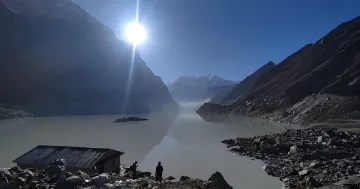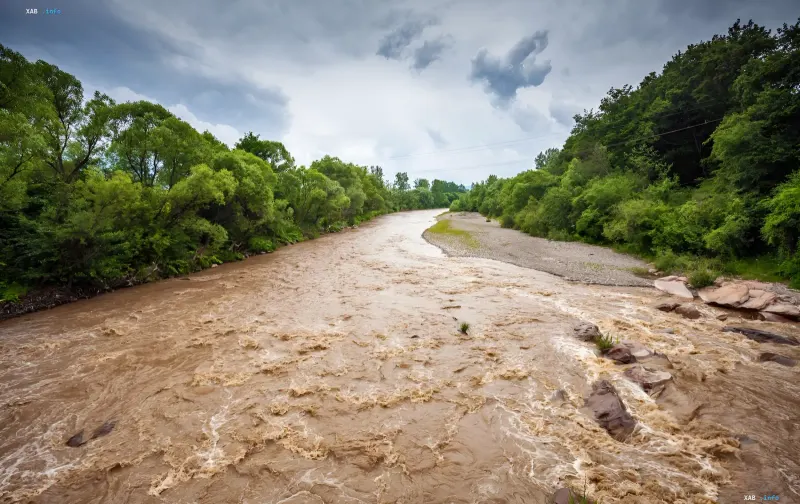
Nepal has officially concluded its active search and rescue operations following the devastating August floods. The disaster struck the mountainous regions near the Tibet border on August 26, 2026, causing massive destruction to infrastructure, roads, and residential areas. According to the latest official government data, the tragic events claimed the lives of at least 1,455 people, while the fate of over 5,000 residents and tourists remains unknown.
Scale of Destruction and Cessation of Active Searches
The force of the disaster was unprecedented. Torrents of water and mud completely wiped out entire settlements, destroyed 12 hydroelectric power plants, as well as critical transport routes, bridges, and farms. Rescue teams managed to evacuate and save 13,795 people, but the search for 5,285 missing persons has been called off. According to Dharam Raj Uprety, head of the National Disaster Risk Reduction and Management Authority, targeted search missions will no longer be conducted, although emergency services will continue to respond to calls during recovery work.
Legal Status of the Missing and Social Challenges
Following the winding down of search operations, the Nepalese government faced an urgent need to address the legal challenges confronting the families of the missing. Phanindra Poudel, head of the National Emergency Operations Center, noted that authorities are seeking a legal mechanism to officially declare the missing dead. The absence of an official death status blocks relatives from processing insurance claims, bank accounts, and inheritance documents, exacerbating the humanitarian crisis in the region.
International Context and Foreign Victims
The tragedy affected not only locals but also numerous foreign nationals who were in the region for tourism or expedition purposes. In the first days of the disaster, alarming reports emerged about the disappearance of groups of foreigners, including citizens of Ukraine and the Baltic states. As of late August, dozens of Ukrainians with whom communication was lost were reported missing, along with citizens of Estonia and Latvia who had embarked on mountain treks in the disaster zone.
Contradictory Data
During the media coverage of the catastrophe, serious discrepancies emerged in estimates of the scale of the tragedy. In the initial days after the disaster, Russian and international news agencies, citing operational reports, reported much lower figures — ranging from 95 to 547 fatalities as of late August. However, final government reports from Nepal, compiled after large-scale infrastructure reviews in October 2026, recorded a tragic record of 1,455 confirmed victims and over 5,000 missing.