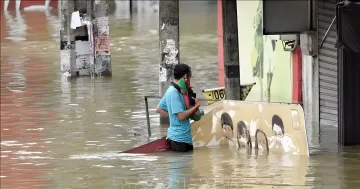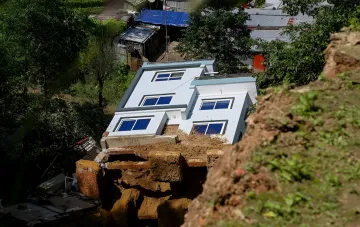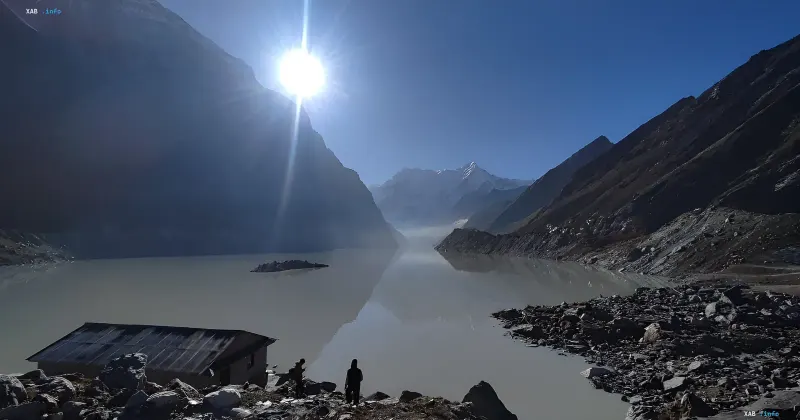
Nepal has initiated a large-scale and critical project to pump water out of four dangerous glacial lakes located in the high-altitude regions of the Himalayas. The main objective of this initiative is to prevent bank breaches and minimize the threat of catastrophic flash floods that could completely destroy downstream settlements. The urgent need for action is driven by recent devastating natural disasters that have claimed the lives of more than 1,400 people and left thousands missing.
Background and Climate Challenges
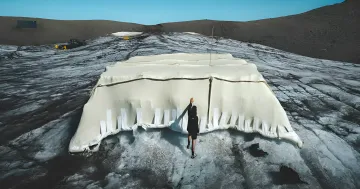
In the current fiscal year, the Nepalese government intends to launch detailed scientific research and commence engineering designs for water drainage from four key high-altitude reservoirs. Authorities emphasize that climate change is exerting a massive and destructive pressure on the eco-region, despite the nation's minimal greenhouse gas emissions. Glacier melting and the destabilization of mountain slopes create unprecedented risks for infrastructure, hydroelectric power plants, and millions of local residents.
Essence of the Engineering Project and Selected Lakes
To implement this ambitious program, four potentially dangerous sites have been selected: Tulagi, Lower Barun, Lumding Tsho, and Hongu II. According to official plans, engineers will build special drainage channels and install structures with sluice gates for controlled water release. The project, valued at approximately $50 million, is co-financed by the Green Climate Fund, the United Nations Development Programme (UNDP), and the government of Nepal. High-altitude work will take at least six years due to extreme conditions and health risks for workers.
Contradictory Data
Official reports and expert statements present certain debatable points regarding the scale of the disaster and exact recovery timelines. While government agencies report the deaths of over 1,400 people from recent floods and estimate total recovery needs at $5 billion, rescue teams continue to search for more than 5,000 missing persons in areas bordering China following an August landslide. Some international analysts point to the extreme difficulty of performing engineering work at altitudes exceeding 5,000 meters, casting doubt on strict deadlines.
Comprehensive Measures and Future Outlook
In addition to lowering water levels in the frozen lakes, the large-scale program includes the deployment of modern sensors and the creation of effective forecasting and early warning systems for natural disasters. Nepal already has successful experience with similar engineering interventions, having previously lowered water levels in the Tsho Rolpa and Imja lakes. Nevertheless, the current crisis requires an unprecedented mobilization of resources to protect the economy and population from future catastrophes.