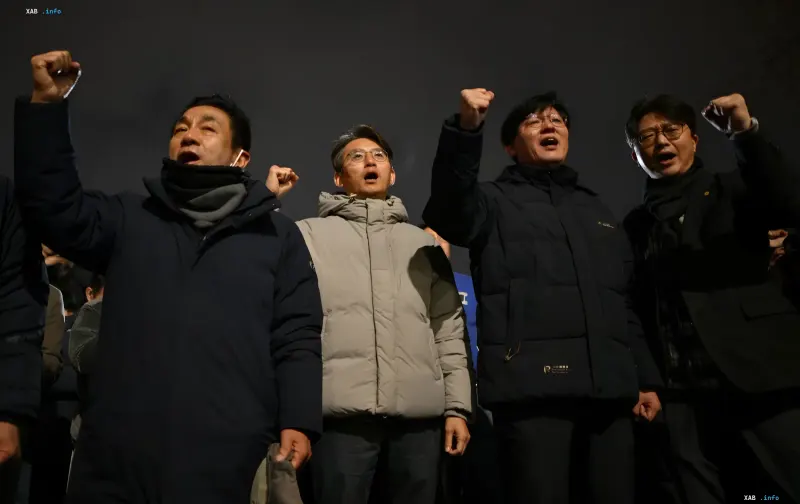
Massive street protests took place in Seoul, organized by lawmakers from the opposition People Power Party. The rally marked the largest opposition demonstration since late September of last year and drew widespread public attention to the escalating domestic political crisis. Dozens of parliamentarians and tens of thousands of citizens took to the streets to voice their categorical disagreement with the political course pursued by incumbent President Lee Jae-myung.
Massive Protests in Seoul: South Korean Opposition Rallies Against President Lee Jae-myung

Key Points
- The opposition People Power Party held a massive protest in Seoul against President Lee Jae-myung.
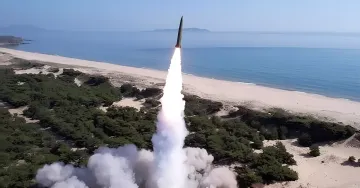
- The protest was triggered by the government's response to a DMZ mine explosion and controversial judicial reforms.
Verified Sources
-
What was verified: Основной источник информации о митингах оппозиции в Сеуле.
-
What was verified: Подтверждено по источнику mk.ru
-
Президент не стал терпеть: провал сборной Южной Кореи по футболу привел к жесткому решению ↗ Confirmed
What was verified: Подтверждено по источнику pravda.ru
-
«Кадры решают всё»: президент Южной Кореи в ярости после вылета сборной с чемпионата мира ↗ Confirmed
What was verified: Подтверждено по источнику kp.ru
Frequently Asked Questions (FAQ)
Who organized the massive protests in Seoul?
The protests were organized by the opposition People Power Party.