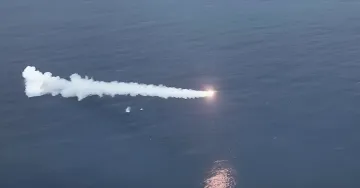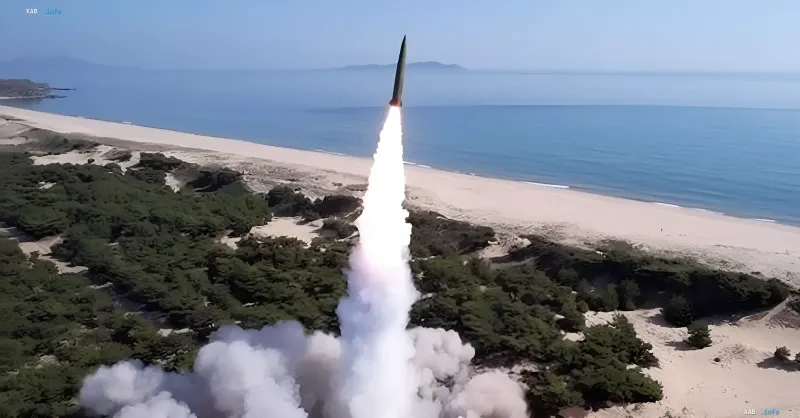
On the morning of October 3, 2026, North Korean armed forces launched another ballistic missile toward the Sea of Japan. According to South Korea's Joint Chiefs of Staff, the launch was recorded at around 6:30 AM from the Wonsan area on the country's eastern coast. Traveling a distance of over 700 kilometers, the projectile landed in maritime waters, prompting an immediate and sharp response from Seoul, Tokyo, and Washington.
In response to the escalating tensions, the government of the Republic of Korea decided to urgently raise the combat readiness of its armed forces to the highest levels. The presidential administration convened an emergency meeting of the National Security Council to thoroughly assess threats and develop preventive countermeasures. Simultaneously, Seoul is holding close consultations with its allies, the US and Japan, coordinating joint actions to monitor Pyongyang's missile activity.
Japan's Response and Maritime Security
The Japanese government reacted promptly to the missile incident. According to preliminary assessments by relevant agencies, the recorded ballistic missile landed outside Japan's exclusive economic zone. Nevertheless, the Japan Coast Guard was forced to issue an official gale warning for vessels, urging crews to avoid potential debris drop zones and immediately report any suspicious findings to the authorities. No injuries or damage resulting from the launch have been reported.
Contradictory Data and Discrepancies
The current missile launch occurs against the backdrop of a deep diplomatic and military crisis between Seoul and Pyongyang, accompanied by diametrically opposed interpretations of border incidents. The trigger for the sharp deterioration in relations was a landmine explosion in the demilitarized zone on September 21, which severely injured three South Korean soldiers. South Korea officially accuses its northern neighbor of a gross violation of the 1953 armistice agreement and demands an official apology. At the same time, Kim Yo Jong, the influential sister of North Korean leader Kim Jong Un, categorically rejects any involvement by Pyongyang in the incident, accusing Seoul of provocations.
Impact Analysis and Geopolitical Context
Experts note that North Korea's display of military force once again underscores the fragility of security on the Korean Peninsula. The continuous exchange of threats and the synchronous buildup of allied military presence create high risks of an accidental clash. Further developments largely depend on the parties' willingness to engage in diplomatic dialogue, but at present, both Koreas continue to demonstrate uncompromising defiance and a course toward escalation.