On October 24, thousands of people gathered on the streets of Madrid to advocate for the preservation of Spain's state pension system. The annual October march attracted twice as many participants this time compared to previous years, as the pension issue has become a central theme of the unfolding election campaign in the country.
Political disputes surrounding the future of pensions
Spain's pension system found itself at the center of fierce political discussions following a series of high-profile statements by representatives of right-wing political forces. First, Vox party deputy Jose Maria Figaredo publicly characterized the current state model as a zombie and proposed introducing a mixed system combining solidarity payments with private savings mechanisms. Later, People's Party deputy Ester Munoz stated that the existing structure would inevitably collapse and required radical and decisive reforms.
Such statements caused serious concern among trade unions and civil associations, who saw them as a threat to social guarantees. The leadership of both mentioned political forces tried to promptly mitigate the public reaction to the criticism. Party representatives assured their full support for Spanish pensioners and announced their readiness to adjust pension parameters taking into account current economic realities ahead of the vote.
Estimates of the protest scale and organizers' position
The scale of the rally held in Madrid became a subject of divergent estimates between the organizers and official authorities. According to the protest march coordinators, about 50,000 people took to the streets, while the Spanish government estimated the number of participants at 25,000. The difference in figures reflects the high degree of tension in society around social issues.
Ramon Frankesa, representing the march's coordination committee, openly expressed concern about politicians' plans. Speaking to the assembled crowd after the action concluded, he stated that the initiatives of the right are aimed at redirecting workers' pension contributions into private funds. In his opinion, this would undermine the state system, and the influence of large banks on financial policy remains dangerous, as clearly confirmed by the 2008 crisis.
International context and potential consequences
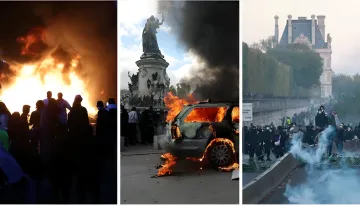
Protest sentiments in European countries during this period cover more than just Spain. Earlier, similar large-scale protests took place in France against the backdrop of authorities' initiatives to restrict mass gatherings, which highlights a general trend of growing social discontent in the region.
The further development of the situation in Spain will directly depend on the rhetoric of political parties during the election race. Experts note that the ability of candidates to find a compromise on social security issues will determine the outcome of the vote and the stability of state institutions in the medium term.