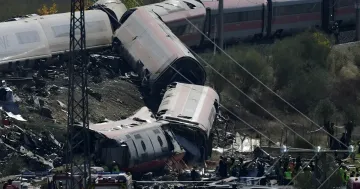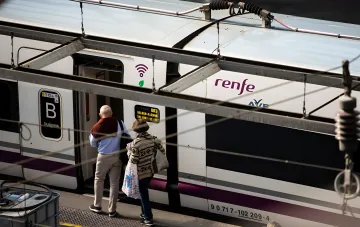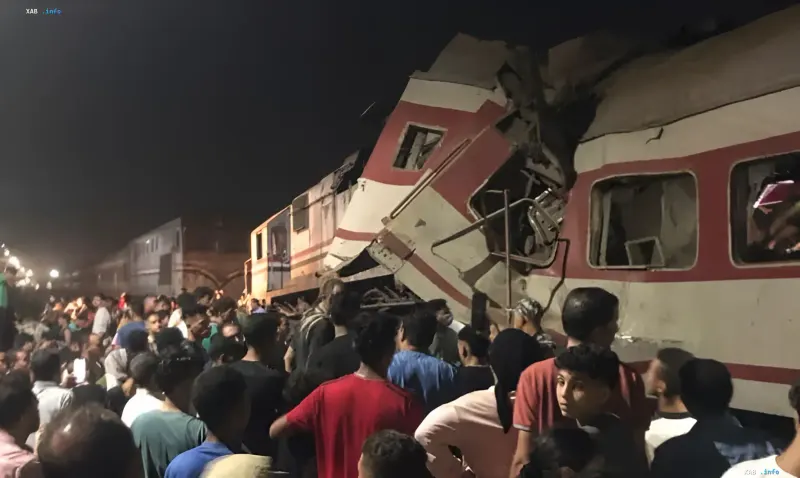
On Wednesday, October 28, two high-speed passenger trains collided in the province of Toledo in southern Spain. According to TVE television, both trains were traveling in the same direction when one of them struck the leading train from behind, causing two carriages to derail. The accident occurred in the area between the towns of Los Yébenes and Urda, on the high-speed line connecting Madrid to Andalusia. Following the incident, traffic on this route was completely suspended.
Chronology and Circumstances of the Accident
The collision occurred at approximately 9:00 a.m. local time on October 28. RFI reports that the trains were operating on the Madrid–Seville line and carrying more than 540 people on board. Emergency services worked at the scene; footage from the site shows heavily deformed carriages and crowds of passengers evacuating the trains. Official causes of the incident have not been established at the time of publication.
Casualty Figures Being Clarified
Spanish authorities confirmed that at least 10 people died in the accident. Esther Padilla, spokesperson for the regional government of Castilla-La Mancha, told journalists that the death toll could still rise. Meanwhile, ABC News, citing sources within emergency services, reported at least 46 fatalities. Thus, at the time of publication, casualty figures differ significantly and continue to be verified.
Background: January Disaster on the Same Network
Earlier this year, in January, a similar railway disaster occurred in Spain: a train carrying 317 passengers on the Malaga–Madrid line suddenly derailed near the locality of Amaduz, about 20 km from Cordoba, and crashed into a high-speed train moving along the adjacent track on the Madrid–Huelva line. As a result, both trains derailed, killing 45 people. The current accident is the deadliest in Spain since 2013, when 80 people died in a railway disaster in the northwest of the country, near Santiago de Compostela.
Context: European Leader in High-Speed Rail Travel
Spain holds a leading position in Europe in terms of its high-speed rail network length, boasting over 3,100 km of tracks for trains moving at speeds exceeding 250 km/h. This mode of transport is considered popular, affordable, and safe in the country, making new tragedies on the mainlines particularly high-profile. The causes of the collision have not been established at the time of publication.