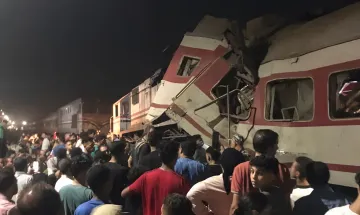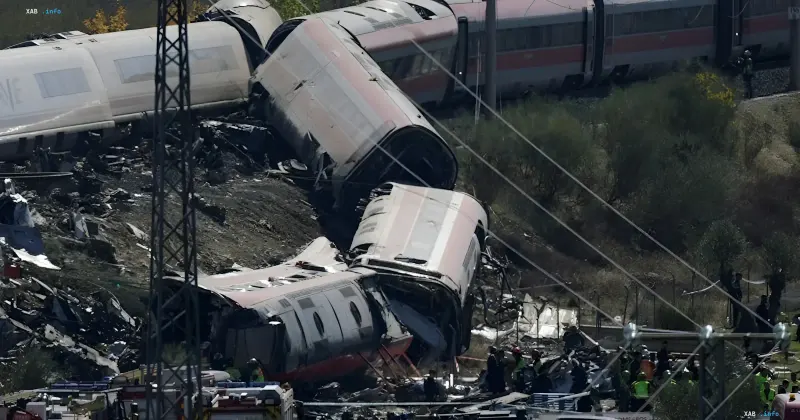
Early in the morning on October 28, a collision between two trains occurred on the high-speed rail line between Madrid and Andalusia, becoming one of the deadliest railway accidents in modern Spanish history. According to Spanish civil protection agencies cited by local media, at least 64 people were killed in the incident, and more than 179 passengers were injured. Rescue services estimate that the death toll may rise as recovery operations continue at the scene.
Circumstances of the collision
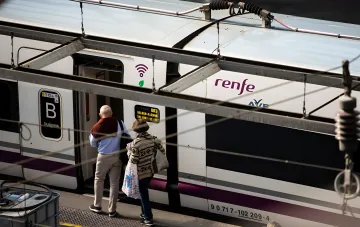
The accident occurred at 8:54 local time in the area between the towns of Los Yébenes and Urda, approximately 120 km south of Madrid. According to Adif, the state railway infrastructure operator, a Renfe AVE high-speed train rear-ended a preceding Iryo train. The impact caused two carriages to derail and plunge to the ground, turning them into severely deformed structures. A total of more than 500 passengers were on board the two trains.
Preliminary cause: system failure and dispatcher error
According to preliminary information published by the newspaper El Pais, the collision allegedly occurred due to an operator error at the rail traffic control center in Madrid. Reports indicate that an employee allowed the Renfe train to pass a red signal while another train had stopped on the same track. The incident happened amid a failure in the railway's automated safety system, which forced many trains to halt and required dispatchers to manually regulate traffic. Investigators are determining the exact cause.
Authorities' reaction and rescue operation
Following the collision, emergency response units immediately deployed major forces: numerous helicopters and ambulances were dispatched to the scene. Emiliano García-Page, head of the Castilla-La Mancha region, requested assistance from Spain's military emergency unit. Adif suspended high-speed rail service between Madrid and Andalusia, and Iryo announced the activation of all necessary emergency response procedures. Los Yébenes Mayor Jesús Pérez Martín described the situation as "horrific," telling RTVE television that police reported mutilated bodies and numerous cases of extremely serious injuries.
Survivor testimonies
Patricia, a passenger in the third carriage of the Renfe AVE train, said her train had stopped about 20 minutes before the accident due to congestion on the line, and the collision occurred less than three minutes after departure. "Some people were thrown into the air. Not me. I was sitting on the left side, so maybe that's why I wasn't thrown, but it was horrifying," she recalled. Frederic Barrileya, a tourist from the Philippines traveling on the Iryo train with his wife, reported feeling as though he had been thrown from his seat; the couple managed to get out of the carriage on their own after the doors opened automatically. Another survivor, Miguel, who was in the last carriage, described a "loud roar" and a powerful impact that lasted about ten seconds.
Context: a series of accidents on Spain's railways
This tragedy is the latest in a series of serious railway accidents in Spain since the beginning of the year, raising public concerns about the safety of the national rail network. Photographs distributed on social media show overturned and heavily damaged carriages, as well as rescue workers operating at the scene. The investigation into the causes and circumstances of the collision is ongoing.