On the night of October 24, Russian forces launched a large-scale air attack across Ukraine, deploying strike drones from seven different directions. According to the official report from the Air Force of the Armed Forces of Ukraine, air defense forces managed to neutralize the vast majority of attack assets, although direct hits were recorded in several locations.
Launch Geography and Weapon Nomenclature
According to the Ukrainian command, the enemy used 126 strike unmanned aerial vehicles of various types during the nighttime raid. The arsenal included Shahed-type drones—with 61 jet-powered units recorded—S-8000 Banderol and Dan-T munitions, Gerbera UAVs, and Parodiya decoy drones. Launches were carried out from Russian training grounds and sites in Shatalovo, Orel, Bryansk, Kursk, Primorsko-Akhtarsk, as well as from the temporarily occupied territories of the Donetsk region and the Crimean Peninsula.
Results of Air Defense Combat Operations
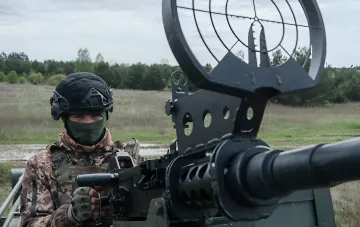
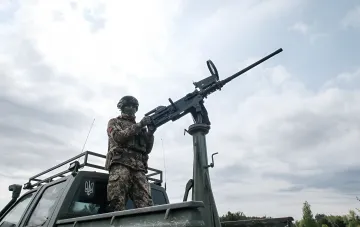
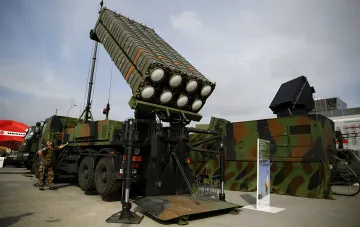
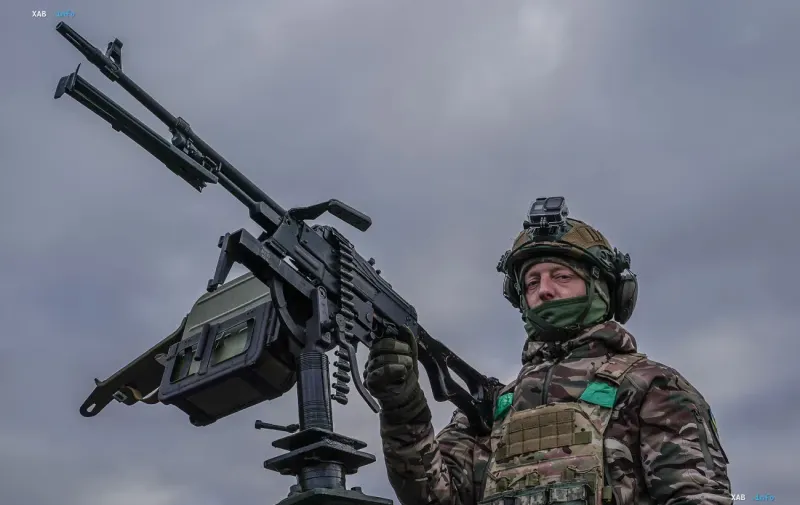
As of 08:00 AM, the Ukrainian air defense reported shooting down or suppressing 101 air targets via electronic warfare, including 50 jet-powered drones. Intensive combat operations were conducted by anti-aircraft missile troops, aviation, mobile fire groups, and unmanned systems units. Despite high interception rates, the military recorded air attack strikes at 14 locations, while falling debris from intercepted devices was noted at 5 other sites.
Context of New UAV Modifications Deployment
The current attack continues the trend of an increasingly complex air environment and the enemy's use of combined strike assets, including jet drones and loitering munitions. Previously, experts and military agencies repeatedly noted the emergence of new drone modifications equipped with modern optical navigation systems, increased range, speed, and flight altitude. Expanding the nomenclature and scale of nighttime strikes requires the continuous adaptation of Ukraine's tiered air defense system.