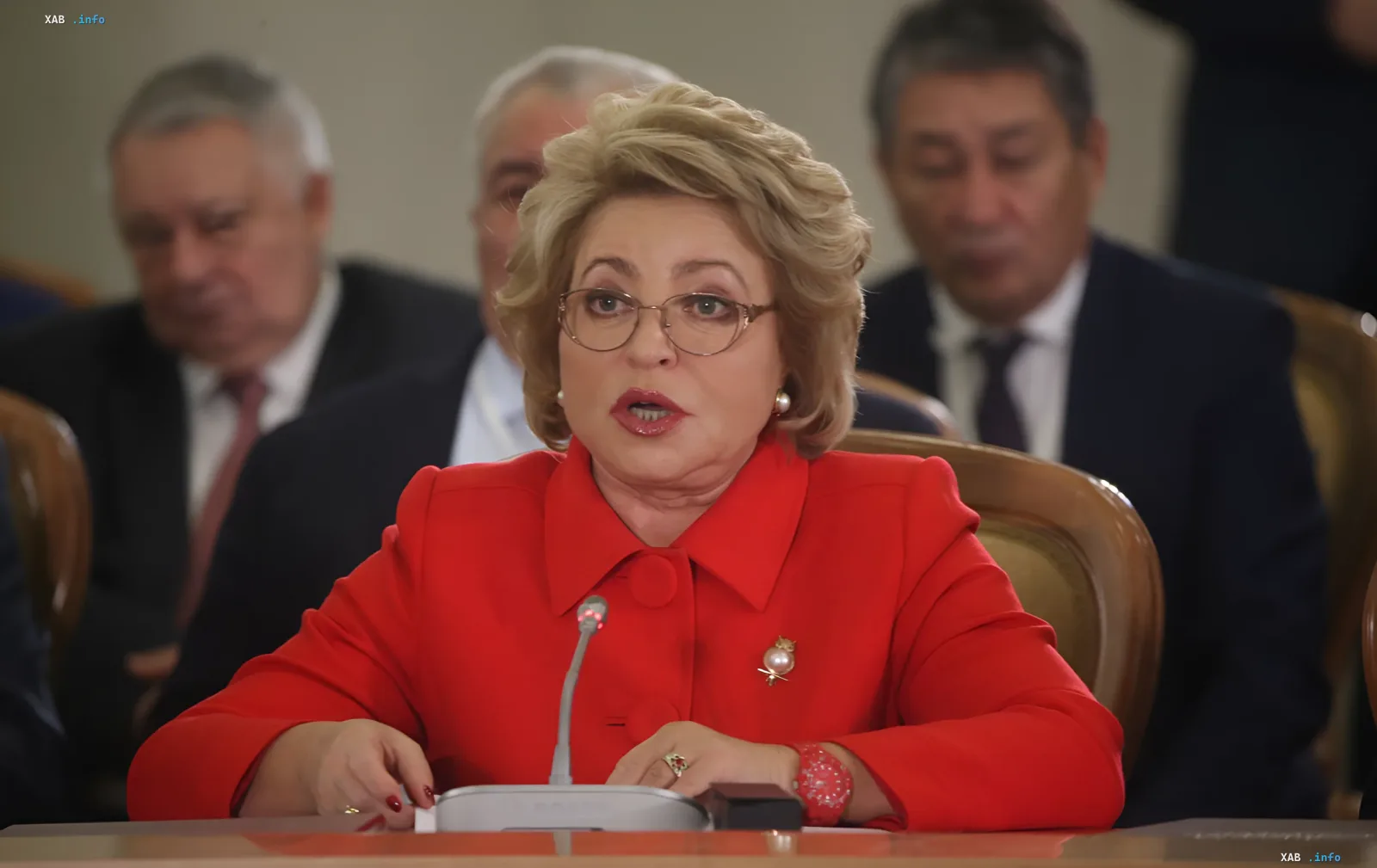
Valentina Matviyenko, Chair of the Russian Federation Council, publicly articulated the conditions under which, in her words, Moscow is ready to begin peace negotiations with Ukraine. Speaking at a closed session, she stated that Russia would agree to dialogue only if a "reliable peace plan" is drawn up, guaranteeing that Ukraine will "never be anti-Russia" and will "not be a ram for the West" seeking to deal Russia a geopolitical defeat. In her assertion, "we will no longer allow" a repeat of what happened before, and this, by her logic, is the principal and non-negotiable condition of any future agreement.
Immutability of the "goals of the SMO" and refusal to adjust course
Particular attention is warranted for Matviyenko's statement that Russia does not intend to revise the so-called "goals of the special military operation" formulated at the outset of the invasion. The Federation Council chair emphasized that Moscow "is not rushing to anyone and is not asking anyone for anything," and that the Russian armed forces, in her words, are "steadily advancing toward achieving their objectives." Thus, the Russian side is effectively fixing the position that the negotiation track does not entail a re-examination of the Kremlin's initial demands, but merely enshrines them in the format of a "peace plan."
Discrediting Western cease-fire initiatives
Commenting on proposals by Western countries for a possible suspension of hostilities, Matviyenko called them "an attempt to give Ukraine time to regroup and arm." "Stop it, we will rearm Ukraine here, produce additional weapons, send them there, throw in some money, and then it all starts over. Well, we have already been through all this," she declared. This rhetoric reflects a consistent Kremlin line to the effect that any cease-fire format without a prior political agreement is viewed as an instrument of Western support for Kyiv.
Context: statements on "peace efforts" and a summit with Trump's participation
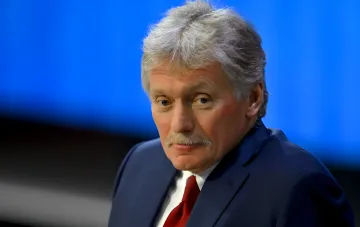
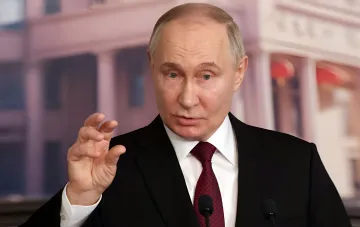
Matviyenko's remarks came against the backdrop of a series of public statements by Russian leadership about so-called ongoing "peace efforts." In particular, earlier Dmitry Peskov, the Russian president's press secretary, stated that a summit involving Vladimir Putin, Donald Trump, and Volodymyr Zelensky "makes no sense without prior preparation of a final document." This indicates that, despite the public rhetoric about readiness to negotiate, the Russian side is putting forward preconditions that, in substance, pre-determine the content of any such document in Moscow's favor.
Contradictory data
A number of inconsistencies can be traced in the Russian side's public statements. On the one hand, Matviyenko asserts that Moscow "is not rushing to anyone" and "is not asking anyone for anything," which is meant to signal a position of strength. On the other hand, the very fact of publicly articulating the conditions for negotiations and the emphasis on the need for a "reliable peace plan" indirectly confirm the Kremlin's interest in a diplomatic track. Moreover, the claim that Russia is "steadily advancing" toward achieving its goals is juxtaposed with the simultaneous search for "peace plan" formats, which may point to the absence of a clear military strategy for ending the conflict. The Ukrainian side, for its part, characterizes such statements in editorial materials as a "once again" repeated promise of "peace efforts" not backed by concrete steps to halt hostilities.
Assessment and outlook
Matviyenko's remarks fix Moscow's current negotiating position: Russia does not renounce formal dialogue, but makes its start conditional on Kyiv's acceptance of geopolitical constraints that, in effect, exclude Ukraine's sovereign choice in foreign policy. For Western partners this means that any cease-fire initiatives without security guarantees for Ukraine will, by the Kremlin's logic, be rejected as "rearmament." Thus, without a substantial change in the wording of the "peace plan" by Moscow or without an escalation of pressure on the Russian side by the West, the prospects for a real negotiation process remain extremely limited.