With the onset of the autumn-winter period and the approaching traditional epidemic season, the issue of properly assembling a home first-aid kit becomes highly relevant. Specialists from the Public Health Center (PHC) of Ukraine have provided citizens with detailed recommendations on which medical products are truly necessary for emergency care and which purchases should be avoided to prevent unnecessary expenses and health risks.
Basic Composition of the Home First-Aid Kit
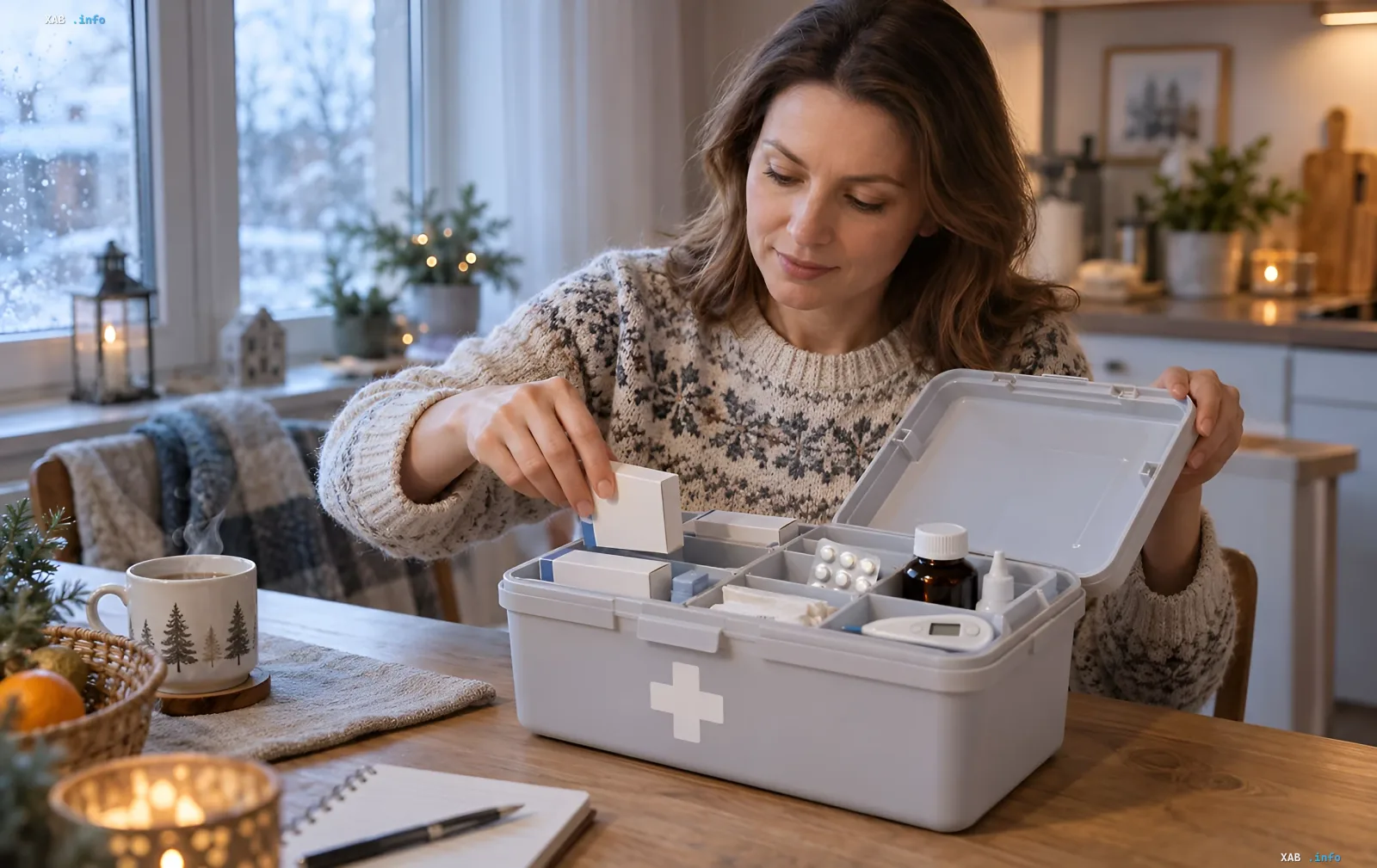
According to the Public Health Center, to safely get through the period of colds and viruses, having a standard set of basic remedies in the home first-aid kit is sufficient. This includes fever-reducing medications based on paracetamol or ibuprofen, oral rehydration solutions, sorbents, antiseptics, as well as bandages and plasters. Citizens are strongly advised to regularly review the contents of their kits and check expiration dates.
Considerations for People with Chronic Diseases
Experts pay special attention to the category of the population with chronic pathologies. For people who need lifelong or regular therapy, it is vital to build up a supply of such medications a few weeks in advance. It is necessary to contact family doctors in advance for prescriptions, especially in unstable conditions, to guarantee uninterrupted treatment.
A Reasonable Approach and Refusal of Self-Medication
The PHC emphasizes a categorical ban on stockpiling antibiotics and specific antiviral agents 'just in case.' Antibiotics are ineffective against viral infections, are dispensed strictly by prescription, and must be used only as directed by a doctor. In addition, specialists urge not wasting money on advertised immune boosters with unproven efficacy. If conditions worsen, patients should immediately seek medical help rather than engaging in dangerous self-medication.