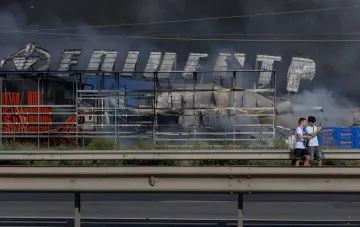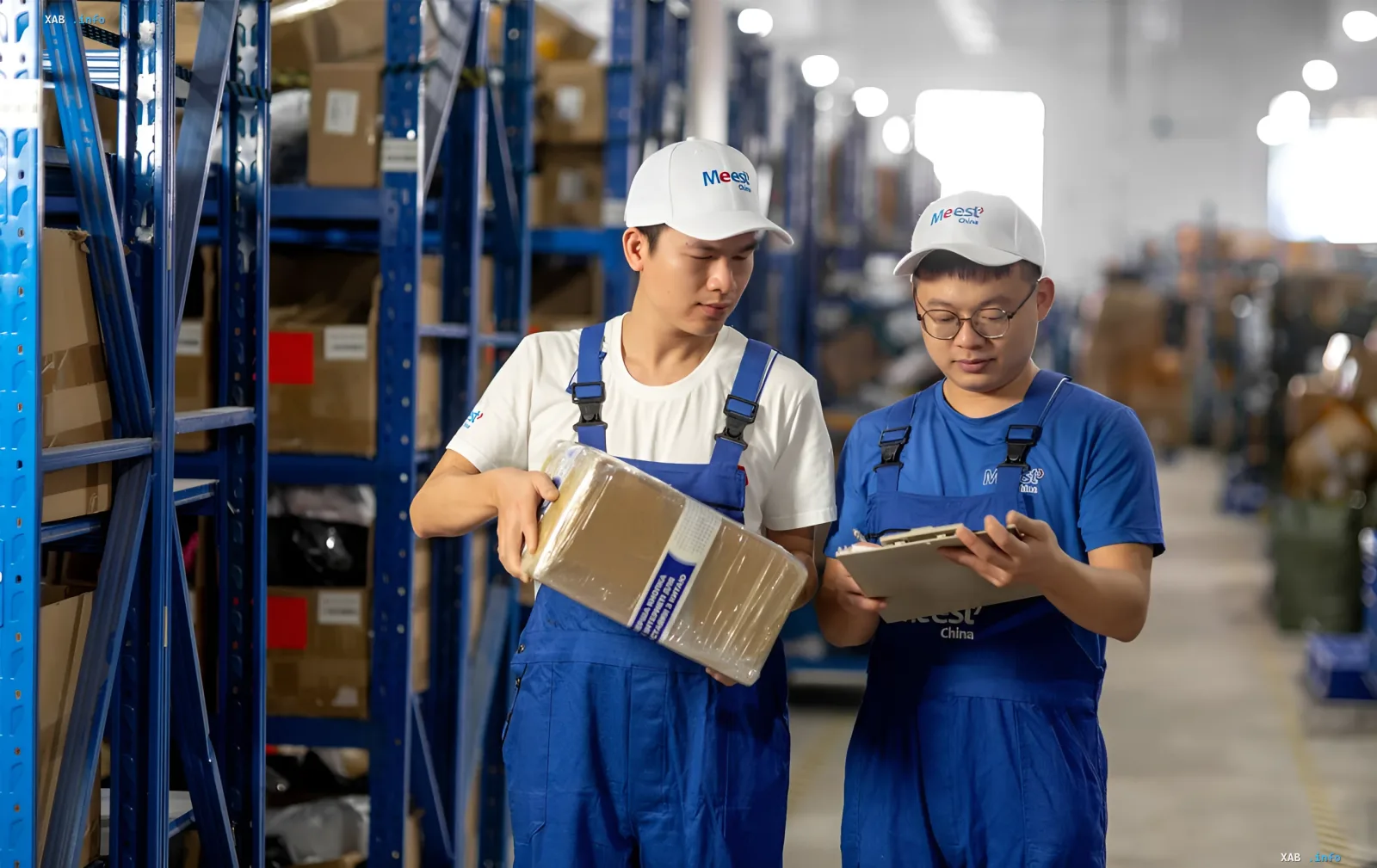
Attacks on Ukraine's border and logistics infrastructure continue to affect the stability of international cargo flows and the predictability of delivery timelines. Meest China, one of the largest players in cross-border logistics between China and Ukraine, has announced a comprehensive restructuring of its operational processes. This was explained in an interview with RBC-Ukraine by the company's shareholder Vyacheslav LySENKO, who described how the business is adapting to the conditions of a constant threat of shelling of warehouses and transport corridors.
Reducing Storage Time and Accelerating Shipments
A key element of the new strategy has been the radical reduction of the time goods spend in transit warehouses in Ukraine. "We strive to organize logistics so that cargo is handed over to the end recipients as quickly as possible after arrival. To this end, we have restructured the customer notification system and the cargo processing algorithm at transit warehouses," LySENKO explained. According to his data, the share of commercial orders shipped from the transit warehouse to the end recipient on a day-to-day basis has grown from approximately 40% a year earlier to 70–75% at present. By the end of 2026, the company intends to raise this figure to over 90%. "This allows us not only to speed up deliveries but also to significantly reduce the risks associated with storing goods under the constant threat of shelling," the Meest China representative emphasized.
Revising Insurance Terms and Covering Military Risks
In parallel with the operational changes, the company has revised its cargo insurance system in its work with contractors providing logistics services. According to LySENKO, a number of partners have changed the terms of cooperation and begun providing full cargo insurance, including military risks. "This allows us, in the event of an insurance claim, to fully compensate the value of damaged or destroyed goods," the shareholder noted. Thus, the financial burden of potential damage or loss of cargo in the conditions of armed conflict is partially redistributed to insurance mechanisms, reducing direct losses for both the operator and the shippers.
Route Flexibility and Maintaining Client Tariffs
In the face of security risks, Meest China, where possible, moves transport to regions with fewer air-raid alerts, which helps speed up the passage through border checkpoints. "Long-term relationships with carriers allow us to change routes very quickly depending on the situation," LySENKO stated. A fundamentally important point for the business is that if a route change leads to higher logistics costs, the company covers them itself within the established tariff. The cost of services for clients remains unchanged, allowing Meest China to maintain competitive terms for shippers and recipients amid heightened volatility.
Shifting Logistics Hubs to the West and Overseas Warehouses
According to the company's assessment, further attacks on warehouses and logistics infrastructure will lead to a structural relocation of key logistics hubs. "Attacks on warehouses and logistics across the country are shifting key logistics hubs to the west," LySENKO noted. Active development of warehouse infrastructure near the borders with Poland, Hungary, and Romania, as well as directly on the territory of these countries, is expected. For a number of business clients, Meest China has already introduced a format of working with an overseas warehouse: goods are stored in Poland and brought into Ukraine on the client's request in the required quantity. This minimizes the volume of cargo located on Ukrainian territory at any given time.
Impact on the End Consumer and Accelerating the "First Mile"
The most noticeable consequence for the end consumer of the shelling and the transformation of supply chains, as acknowledged by the company itself, may be delays in delivery. To mitigate this effect, Meest China is actively working to accelerate the so-called "first mile" of delivery. "We are actively working to speed up the 'first mile' of delivery in order to create a buffer of 1–2 days and reduce delays caused by difficulties in Ukraine," LySENKO said. Creating a temporary buffer of one to two days should offset the impact of disruptions on internal sections of the route and ensure more stable order receipt times for ordinary buyers and small businesses.