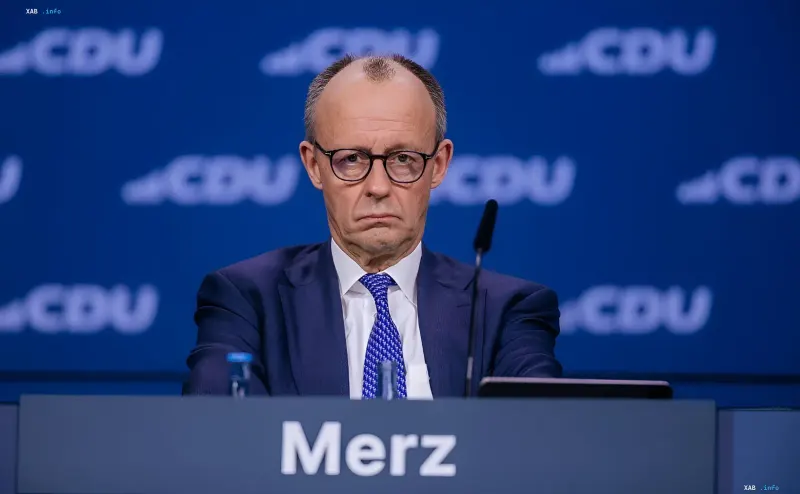
German Chancellor Friedrich Merz has officially commented for the first time on the attempted sabotage at Leipzig/Halle Airport. Ahead of the government's off-site session at Neuhardenberg Palace, he stated that Berlin, together with the intelligence services, is conducting an intensive investigation and that the organizers of the attack will be named "in the near future," promising the perpetrators "strict accountability." Earlier, on August 7, Merz convened the national security council in response to the incident.
What investigators have found
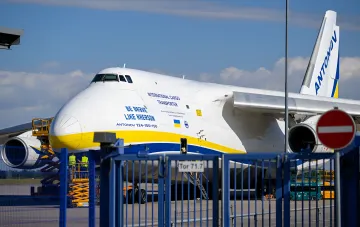
According to the BKA and the Federal Prosecutor's Office, several drones were used in the operation. The first drone, carrying a Semtex charge, was discovered on August 4 near a Ukrainian Antonov Airlines An-124 military transport aircraft; a second one collided in mid-air with a DHL cargo plane; a third was found in a field near the village of Kabelsketal, where forensic experts recorded traces of 50 grams of hexogen, and a camouflaged control antenna was found on a tree in the village of Kurzdorf. Experts note that the detonator of the first charge failed to trigger for technical reasons, but its power would have been sufficient to destroy the aircraft's wing.
Contradictory data
The publications Süddeutsche Zeitung, NDR and WDR, citing sources in security structures, report indirect evidence pointing to the involvement of Russian intelligence services in coordinating the sabotage. Moscow denies these allegations. Thus, the fact of the attack and the course of the investigation have been confirmed, while the attribution of responsibility remains at the level of indirect data and official denials.
Political consequences
The incident is increasing pressure on the government: the head of the Lower Saxony Interior Ministry has demanded the deployment of the Bundeswehr for air defense and electronic warfare around civilian airports and ports. In the corridors of the Bundestag, discussions are underway on expanding the BND's powers for offensive cyber operations and preventive sabotage abroad, as well as on the possible closure of the "Russian House" cultural center in Berlin. Merz summed up: "We are not at war, but we no longer live in peace."