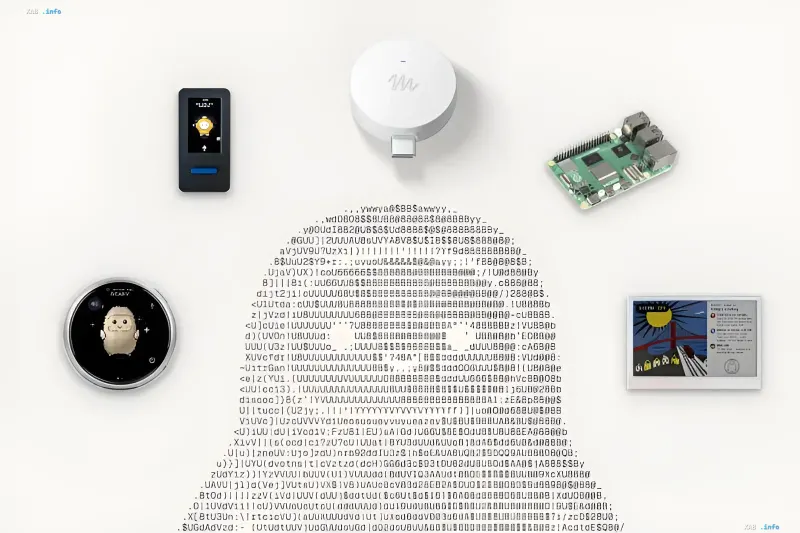
Meta has announced the open-source release of its codebase and Software Development Kits (SDKs), empowering any enthusiast to build custom AI-powered hardware gadgets. This initiative grants developers full access to the underlying technologies used in the Muse Charm device, which draws aesthetic and interactive inspiration from classic virtual pet toys like Tamagotchi. The company provides comprehensive documentation, assembly guides, and built-in support for standard hobbyist hardware platforms including ESP32 and Raspberry Pi, making custom hardware development accessible to a wide audience.
Diverse Form Factors and Hardware Concepts
As part of this open-source push, the tech giant has proposed several ready-to-build concepts and design configurations integrated with advanced Spark AI models. One of the standout form factors is a compact ESP32-S3-based gadget featuring a vibrant 1.75-inch AMOLED display. Additionally, developers are encouraged to experiment with HDMI dongles designed for television control, standalone remote controllers, or mini-tablets equipped with low-power E Ink color screens for optimal energy efficiency.
The Muse Home Link Hardware Solution
A major highlight of the rollout is the introduction of Muse Home Link, a physical disc-shaped device resembling a USB flash drive built specifically for smart home ecosystem management. Meta has confirmed the manufacturing run of 5,000 units, which will ship to users in the coming weeks. New subscribers to the Muse ecosystem have a unique opportunity to receive the hardware device completely free of charge simply by connecting it to their home Wi-Fi network.
Ecosystem Integration and Security Warnings
Once activated and integrated into a local wireless network, the voice-enabled AI agent takes over various household duties ranging from sending documents to printers to managing smart lighting and controlling multimedia equipment. However, Meta explicitly warns users about potential security threats and inherent risks tied to granting third-party AI software broad access to domestic infrastructure. Hardware experimentation may result in device bricking, voided warranties, voltage drops, or unexpected technical failures.
Controversial Data
While official representatives emphasize the purely experimental nature of the project—stating it was built "by hackers for hackers" at the user's own risk—independent analysts and the IT community highlight its significant commercial potential. Debates are ongoing over whether the production of 5,000 Muse Home Link units is merely a geek-focused marketing experiment or a serious strategic step by Meta to capture the smart home market through open-source interfaces.