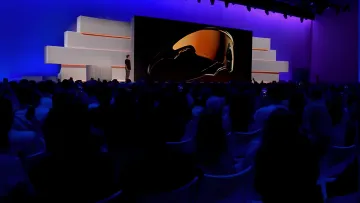
On September 23, 2026, at 7:00 PM Eastern Time, Meta CEO Mark Zuckerberg will open the annual Meta Connect conference, which, according to industry insiders, could become one of the most packed presentations of the year in the fields of wearable devices and artificial intelligence. This is reported by RBC-Ukraine, citing Zuckerberg's own statement on Instagram. Immediately after the keynote, developer-focused sessions will begin the following day, underscoring the scale of the planned announcements: the company intends to simultaneously expand its smart glasses lineup, unveil new AI releases, and showcase long-awaited hardware devices.
Camera-less glasses: a bet on privacy
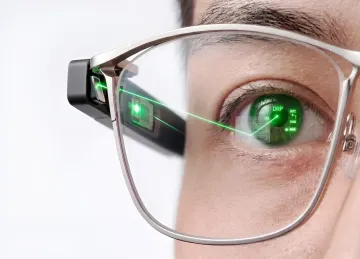
One of Meta's most discussed strategic moves is the development of smart glasses without built-in cameras. According to available data, such devices will be released in two stylistic variants and will feature additional microphones designed for interaction with an AI assistant. Dropping the optical module will allow the frames to be noticeably thinner and visually closer to ordinary eyeglasses, while also reducing the wave of criticism around privacy and scandals involving covert recording that accompanied previous generations of devices. Meta's CTO Andrew Bosworth previously noted that the company is preparing separate clarifications and measures against violators who attempt to cover or modify the indicator LED lights that signal the camera is active.
Hypernova 2, Ray-Ban, and the Phoenix intrigue
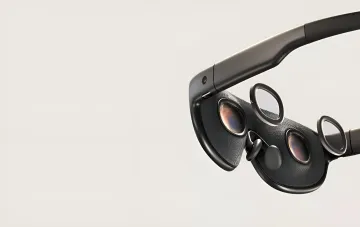
In addition to the "camera-less" models, an update to the Ray-Ban collaboration is expected, along with possible announcements of the next generation of devices with displays embedded in the lenses — a platform known by the working name Hypernova 2. The main hardware intrigue of the event, however, is considered to be a lightweight mixed-reality headset codenamed Phoenix. Images of the device recently appeared in internal HorizonOS updates: they show a slim gadget using a wired connection to a separate compact unit. Preliminarily, the headset will rely on eye and hand tracking instead of classic controllers and will become one of the first platforms based on the latest Qualcomm Snapdragon Reality Elite chip.
The Muse AI agent and the ecosystem
Against the backdrop of a massive wave of updates in artificial intelligence, the company will pay special attention to its AI agent, Muse, whose integration with smart glasses is expected to happen in the near future. Developers will also hear news about expanded support for third-party apps for the smart glasses ecosystem, as well as updates to the virtual space and the development prospects of holographic avatars, first demonstrated in the Orion prototype. Taken together, these announcements show that Meta is betting on the "glasses + AI agent + mixed reality" combination as the central axis of its product strategy for the coming years.