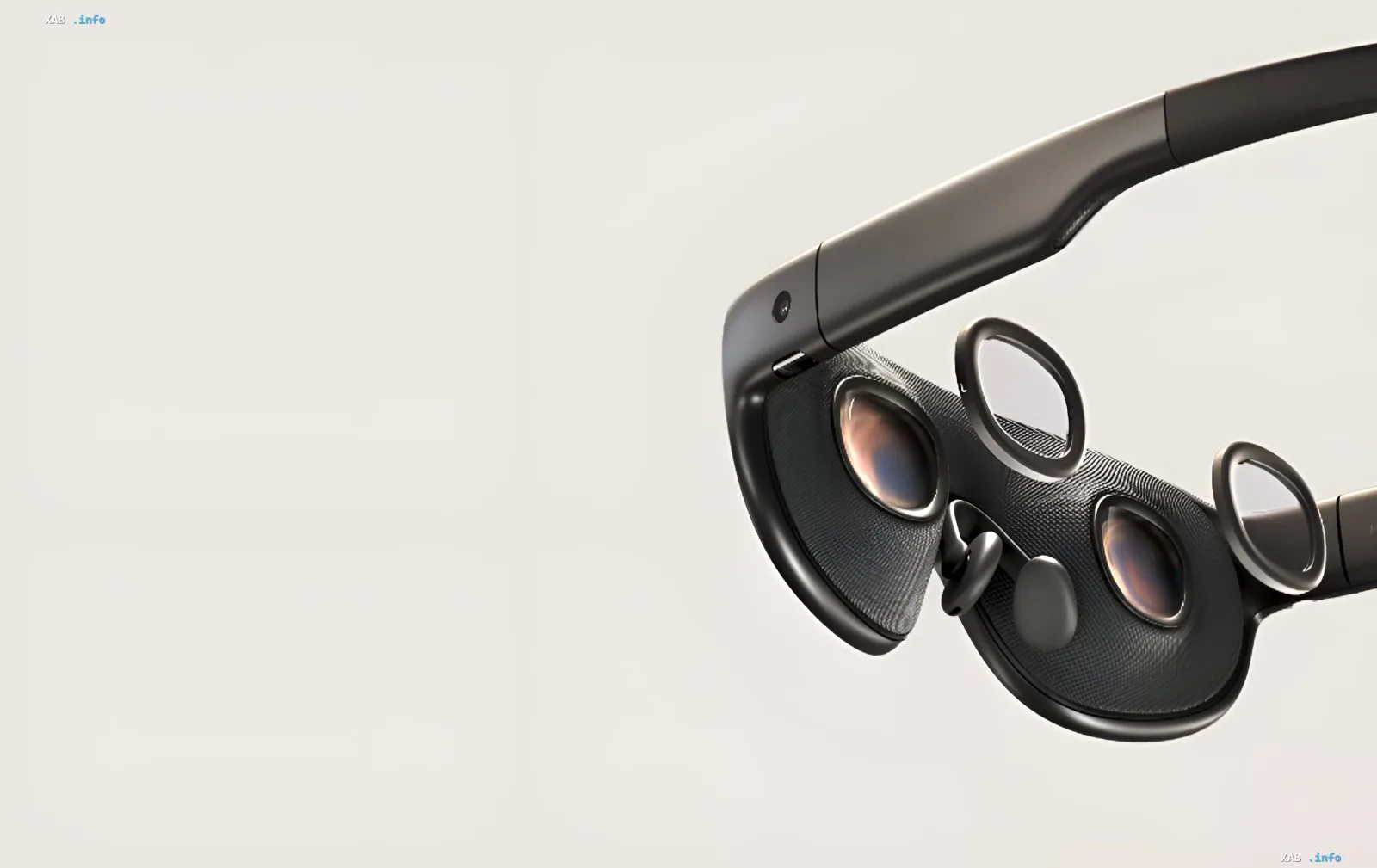
The first clear images of Meta's unannounced device, codenamed Project Phoenix, have appeared online. The visual materials were found inside an updated system package of the HorizonOS Prescription Lens app, which the company uses to configure prescription lenses. Judging by the renders, Meta has decided to radically change its approach to ergonomics: in shape, the new device is much closer to bulky glasses than to traditional Quest-series VR helmets, marking a paradigm shift in the company's headset lineup.
How the Leak Happened
According to RBC-Ukraine, citing the HorizonOS Prescription Lens app, images of the unannounced device were embedded in a software update system package. This is a typical industry case of a "self-reveal": the company did not publish the renders publicly, but they ended up in the distribution package, which was then analyzed by enthusiasts and specialized publications. It was precisely this channel that made it possible to obtain relatively clear visual materials, rather than blurry photos from supply chains, which increases confidence in the structural details.
Design: Glasses, Not a Helmet
The key difference between Project Phoenix and Quest is the abandonment of the bulky facial cushioning base. Instead, the device is held on the face using adjustable nose pads, just like regular glasses. This radically changes the wearing experience and reduces the weight on the bridge of the nose, which is critical for long sessions. The distributed layout is confirmed by the cable exiting from the left temple: it connects the glasses to an external computing unit, where the battery and processor are housed. This approach removes the thermal and weight-and-size load from the "frame" itself.
Sensors, Tracking, and Prescription Lenses
Optical sensors are visible on the sides and lower parts of the temples, indicating active use of eye-tracking and hand-gesture tracking systems. The HorizonOS Prescription Lens app, where the leak was found, demonstrates the process of attaching magnetic prescription lenses and their quick calibration by scanning a special QR code. This suggests that Meta is building the device around a mass-market use case for people with myopia or hyperopia, without the need to remove their glasses.
Contradictory Data
There is a terminological discrepancy between sources in classifying the device. The publication 3dnews.ru calls Project Phoenix a "compact AR headset" in its headline, while RBC-Ukraine's materials and the description of the design emphasize that the new product is a mixed-reality device with an open periphery that, unlike transparent AR glasses, uses a body and cameras to transmit a real-time video stream of the environment (passthrough). In other words, one side emphasizes "AR compactness," while the other highlights a hybrid MR architecture with cameras. There is no official classification from Meta yet, so both descriptions cover different aspects of the same device, rather than mutually exclusive facts.
Positioning and Expectations
It is noted that the Project Phoenix headset is being developed as a premium device with an open periphery, intended to occupy the niche of higher-performance solutions. An official presentation of the technology is expected at the annual Meta Connect conference, which will begin on September 23, 2026. Until that moment, all published images remain a leak rather than an official announcement; however, the very fact of their presence in Meta's system software makes the likelihood of the device being demonstrated at Connect extremely high.