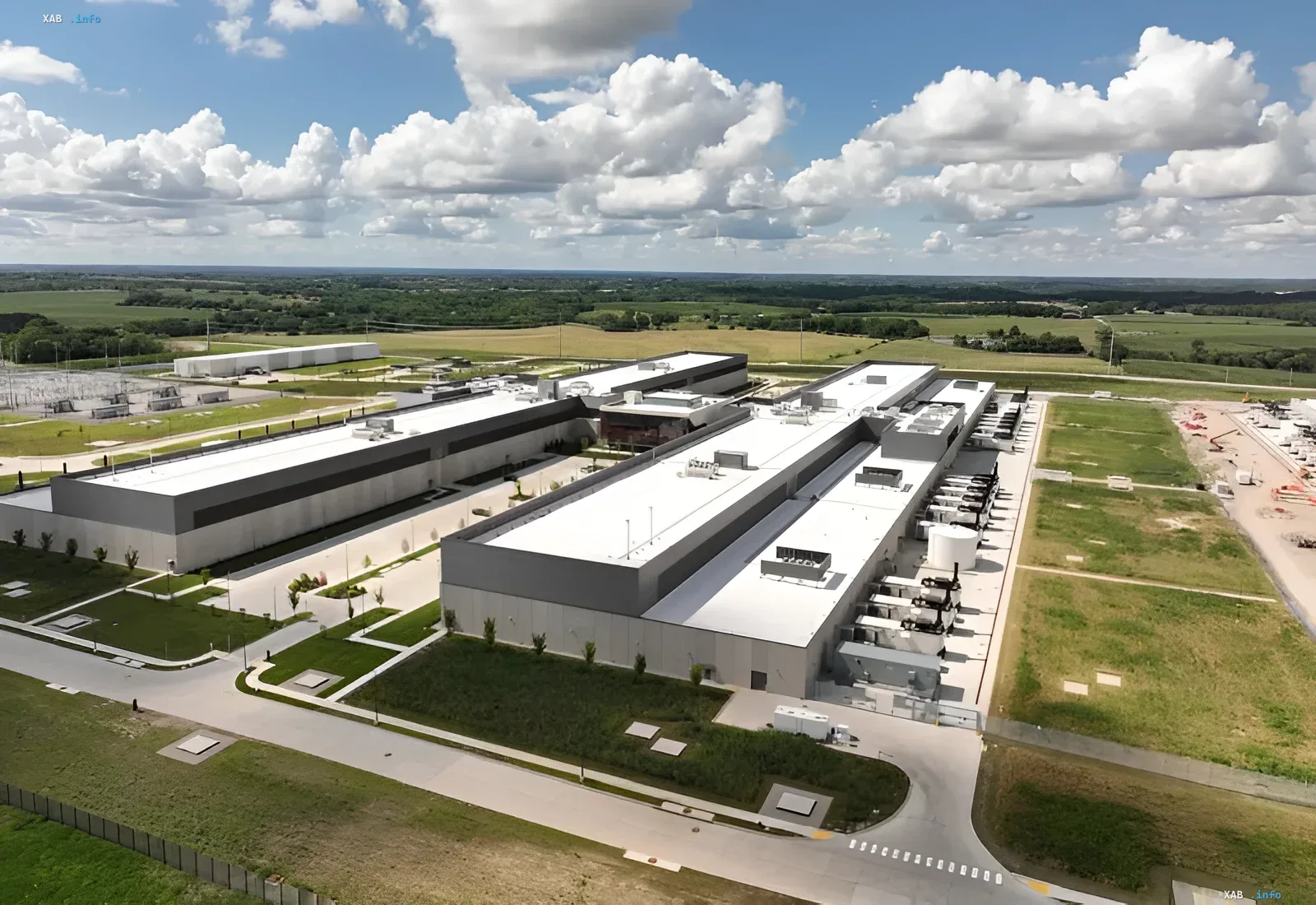
The market for leasing data centers for artificial intelligence continues to gain momentum, and this time Meta is at the center of attention. According to The New York Times, the company is considering a proposal from AI developer Anthropic to lease one of its data centers (DC) in the state of Georgia. The deal could be worth up to $10 billion over a two-year period.
Details of negotiations with Anthropic
The initiative comes from the lessee side: Anthropic made an offer to Meta back in June, and negotiations are still ongoing. If the parties reach an agreement, the contract terms will provide for monthly payments with an increasing total. An important aspect of the deal is its flexibility: the agreement will include the possibility of early termination for either party.
At present, there are no guarantees that the deal will be concluded, but the mere fact of discussing such a scale indicates a change in strategy for tech giants. For Meta, this could be an important signal to investors, demonstrating new ways to monetize infrastructure in the context of explosive growth in capital expenditures.
Deal context: the SpaceX example
The case with Meta is not unique against the backdrop of current market trends. In May, Anthropic already concluded a similar deal with SpaceX. Elon Musk agreed to lease a data center in Tennessee for three years. Monthly payments of $1.25 billion are expected to bring Musk's startup $45 billion in revenue. As with the possible Meta deal, the SpaceX contract provides for the possibility of terminating the deal at the initiative of either party with 90 days' notice.
Mark Zuckerberg's strategy
Mark Zuckerberg has previously acknowledged that Meta is periodically approached with offers to lease or purchase ready-made data centers. Until recently, the company refused such deals, citing its own urgent need to expand computing power. However, the situation is changing.
Zuckerberg emphasized that if there is excess infrastructure, Meta will not hesitate to conclude the corresponding contracts. This confidence allows the company to invest more boldly in building new capacity, knowing that it will be used in any case — either for its own needs or for leasing.
Growth in capital expenditures
The relevance of the issue of data center monetization is directly related to the company's financial indicators. This year, Meta plans to spend $145 billion on capital expenditures, which is more than twice last year's figures. Demonstrating the return on leasing capacity could become a useful tool to justify such massive investments to shareholders.
Flexibility in the market: Meta as a lessee
Interestingly, Meta not only leases its capacity but also actively leases it from other players, demonstrating high strategic flexibility. In April, the company signed a $21 billion deal with CoreWeave, and in March, a $27 billion deal with Nebius (founded by Arkady Volozh). This approach allows Meta to optimize costs, given that data center rental prices have risen significantly since these deals were concluded.