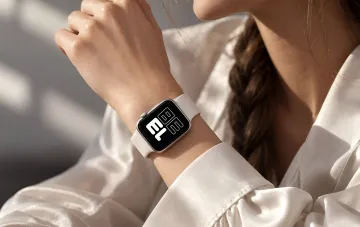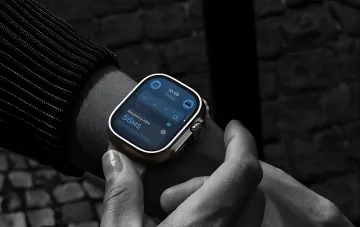
Meta has announced the expansion of its personal AI agent platform, Muse, to wearable devices: the assistant is now available on smartwatches running Apple Watch and Android Wear OS. Users will be able to interact with Muse through voice calls, text messages, and dictation right from their wrist. The smartwatch release comes approximately a month after the launch of the dedicated Muse app for iPad, confirming Meta's consistent strategy of covering all key device classes sequentially.
From App Store to Ecosystem: How Expansion Accelerated
The initial launch of Muse in the App Store took place in September 2026—according to the official download page, the debut on iOS, Android, and the muse.ai web platform occurred on September 8. Since then, Meta has actively scaled the service: within weeks of its smartphone rollout, the assistant received versions for iPad, Mac, and finally, smartwatches. On the Mac version, Muse can organize files, fill out forms, and extract data from Messages, Calendar, and Notes—with the company emphasizing continuity across scenarios: a task can be started on a phone, checked from a laptop, and "pushed" via WhatsApp, while the agent maintains the action chain across all ecosystem devices.
Record Download Momentum
In a short time, Muse has demonstrated exceptional results in the US market. The service entered the list of 12 mobile apps that managed to cross the 10 million download milestone in the US within their first 40 days in the App Store. Previously, only the Threads social network demonstrated a comparable record among Meta products. For comparison, most major competitor AI products gather a comparable audience over several months, whereas Muse reached this milestone in less than a month and a half after launch.
Avatar Video Chat and the Spaces Feature
Last week in the US, Meta rolled out a video chat feature with a virtual Muse avatar. During the conversation, the assistant uses soft facial expressions and gestures corresponding to the tone and context of the dialogue. At the same time, the AI does not see the user, but hears them and responds in real-time, making interaction more natural without the need for camera video transmission. Concurrently, the company introduced the Spaces feature—thematic collaborative dialogues that function as personalized mini-apps: they are created on the fly and displayed on a sidebar interface to solve specific user tasks, from meeting planning to bill management.
Competitive Environment and Strategic Context
Currently, Muse competes with dozens of other AI agents for audience attention. The tool allows users to connect personal accounts to work with email, meeting calendars, and financial accounts, which elevates it beyond a simple chatbot and closer to a full-fledged digital assistant. Against this background, Meta has also announced the Muse Wonder series—two new models that return the company to the forefront of advanced AI development. Thus, the smartwatch launch is not an isolated event, but part of a comprehensive strategy: from mobile apps and desktop to wearables and cloud models, where Muse is destined to become the central element of the Meta ecosystem.