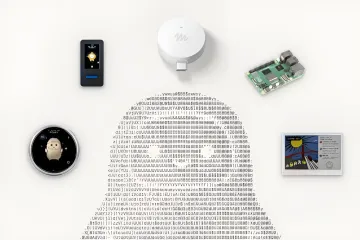
Meta has taken a strategic step in the field of artificial intelligence by open-sourcing the code for creating custom user devices powered by the Muse personal AI assistant. The ambitious new project, named Muse Gadgets, opens up wide opportunities for tech enthusiasts, engineers, and developers, allowing them to directly integrate advanced machine learning algorithms into DIY hardware.
Technical Foundation and Development Capabilities
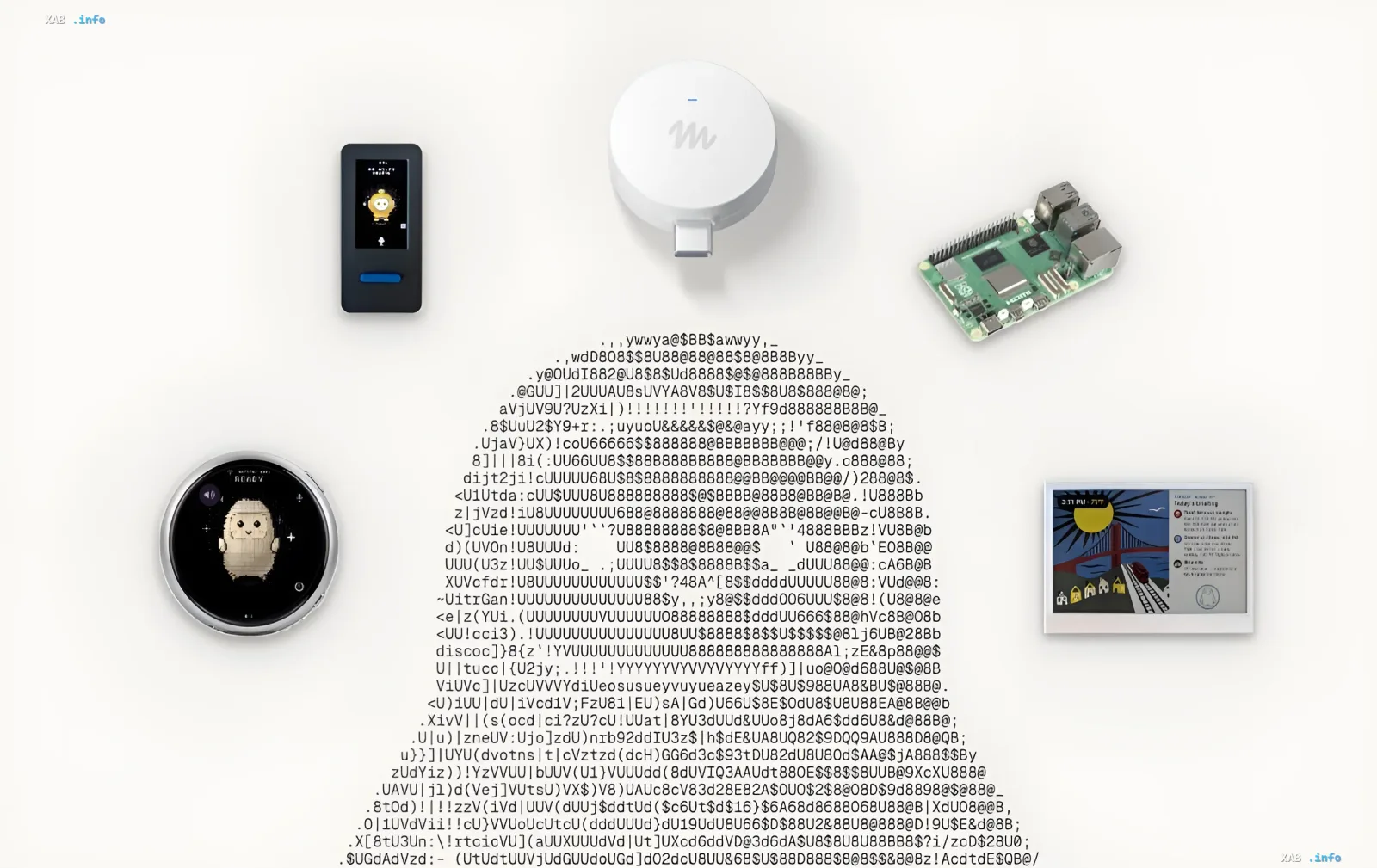
The official announcement was made by Nat Friedman, head of Meta's Superintelligence Lab, who emphasized the company's commitment to decentralizing access to AI technologies. Meta provided developers with a comprehensive open firmware and a specialized Linux SDK development kit. These tools ensure seamless integration of the Muse AI assistant with popular ESP32 microcontrollers and Raspberry Pi single-board computers, while also allowing connection of various peripheral devices such as displays, physical buttons, sensors, and actuators.
Hardware Innovations: The Muse Home Link Device
In addition to software for DIY assembly, the tech giant introduced a ready-made hardware solution: the compact Muse Home Link gadget. Powered via a standard USB-C port, the device is designed to integrate the Muse assistant into the home network infrastructure. The gadget gives users the ability to centrally control smart home appliances supporting a secure internet protocol, uniting disparate smart home elements into a single ecosystem.
Company Strategy and Ecosystem Context
The Muse Gadgets project organically complements the corporation's hardware strategy aimed at popularizing personal AI. Previously, at the annual Connect conference, CEO Mark Zuckerberg introduced the miniature Muse Charm keychain with a built-in fingerprint scanner, positioned as an alternative to smart glasses. This approach demonstrates Meta's desire to capture leading positions not only in the software segment but also in the market of wearable and custom AI devices.
Contradictory Data
During the analysis of primary materials and management statements, certain discrepancies were identified in the interpretation of the distribution terms for the new hardware. While official press releases and specialized media publications focus on the free availability of the code and a complimentary first batch of Muse Home Link devices for subscribers in the US, some early unofficial reports featured requirements to complete complex verification quests using external links and third-party platforms. Nevertheless, Meta representatives confirmed the standard procedure for forming a queue to receive gadgets free of charge through official community channels.