Ukraine’s metallurgical industry is on the brink of a systemic crisis. This was stated in an interview with Forbes Ukraine by Alexander Myronenko, Chief Operating Officer of the Metinvest Group, whose words are cited by RBC-Ukraine. According to him, the financial resilience buffer built up in the pre-war years, which allowed companies to survive the first two years of the full-scale war, has been almost entirely exhausted. “In 2022–2023 the company had a resilience buffer built up in the pre-war years. Today there is no resilience buffer left. Not just at our company, but at any company. Without state support, without the help of foreign partners, we simply will not make it,” Myronenko emphasized.
Production is running at the limit: only half of Metinvest’s assets are operational
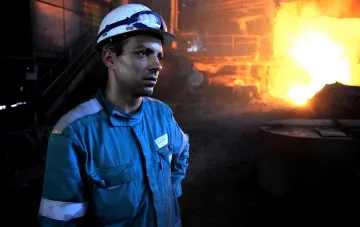
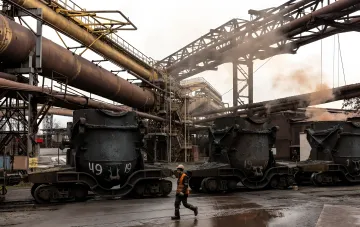
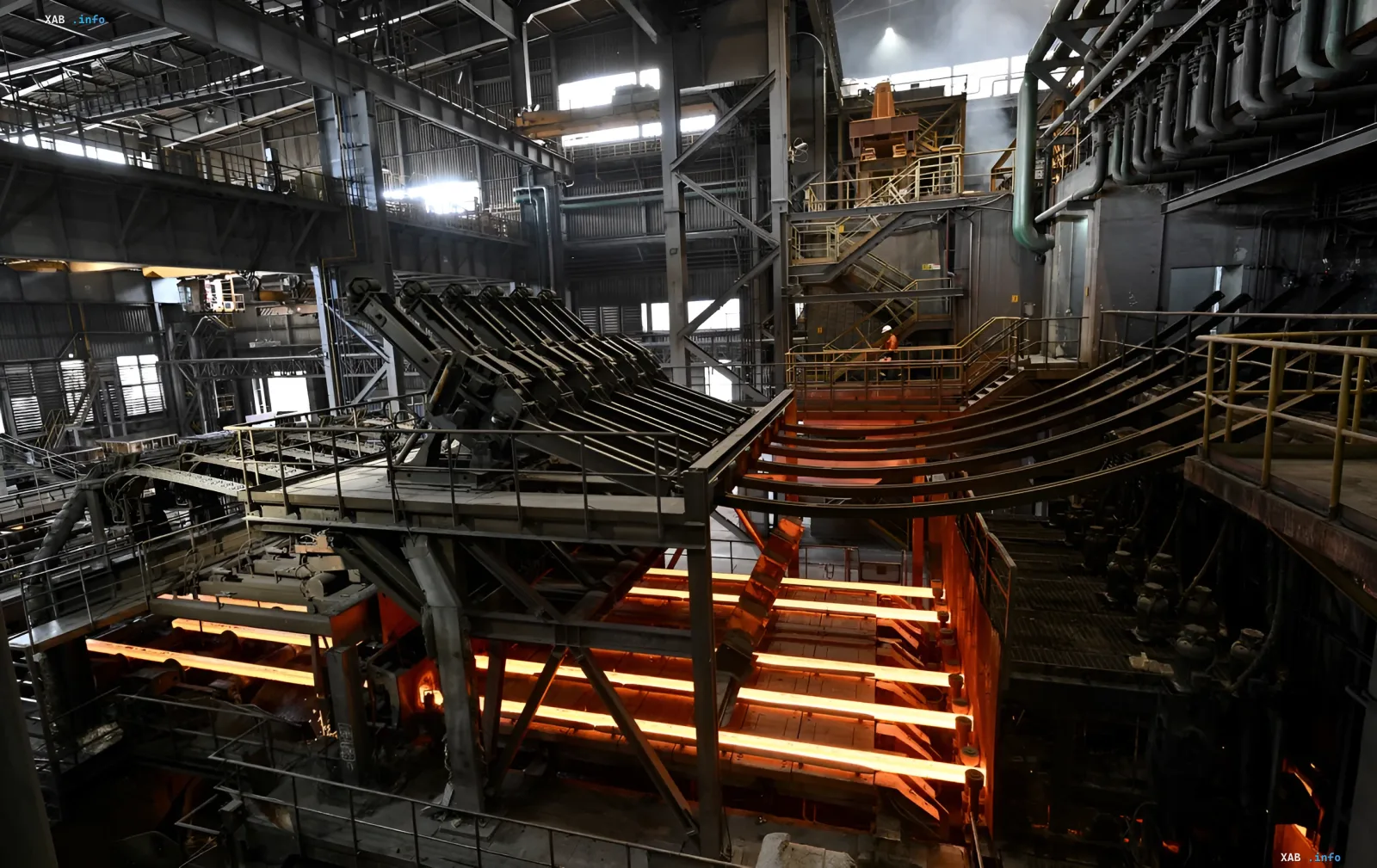
According to the COO, of Metinvest’s Ukrainian assets only the Central and Northern mineral processing plants (MPPs) are currently operating, and both of them are running at roughly 50% of design capacity. The Southern MPP is idle due to the closure of the ports, while the Inghulets MPP has been put into storage (conserved) because of the high cost of electricity. Against the backdrop of the ongoing crisis, the company is forced to prepare cost and personnel cuts, primarily in the administrative ranks. “Zaporizhstal” and “Kametstal” are recovering from the August and September attacks by Russian forces. As a result of the shelling, the company lost 13 people, and more than 40 were wounded. The timeline for the full restoration of production at these facilities has not yet been determined.
Port blockade and logistical blow: minus 1.5 million tonnes of exports per month
One of the industry’s main problems, according to Myronenko, is the blockade of the seaports. Without the restoration of maritime exports, even rebuilt facilities will not be able to operate at full capacity. Exports of iron ore products through the ports alone have dropped by about 1.5 million tonnes per month. In addition, after losing its own raw material base, the company is forced to import around 250,000 tonnes of coking coal every month. The reorientation of logistics chains through Poland and the Romanian port of Constanța has raised transport costs by 50–60%. Due to the port blockade, the EU has in fact become the main accessible external market for Ukrainian metallurgy, but there quotas and the CBAM mechanism (a carbon-border tariff at the EU border) are in effect. According to Myronenko, the current quotas allow exporting only about half of last year’s volume. Over the year, Metinvest’s production cost rose by roughly 30% — mainly due to logistics and electricity.
Call to create industry recovery funds
Myronenko believes that the state should create recovery mechanisms for industry following Russian strikes, similar to those already in place for other Ukrainian sectors. “If there are funds for the energy sector that provide for certain financing for recovery after strikes, then there are no such funds at all for metallurgists or for other industries, and no one is discussing them,” he stated. The COO emphasized that such funds are necessary because metallurgy is a major export-oriented industry that has always reliably paid taxes. In his assessment, the crisis has already gone beyond a single company: without ports, affordable logistics, state support and partners, Ukrainian metallurgy risks losing a significant part of its production potential.
Minvest’s investments and tax obligations over the years of war
Over 2022–2025, Metinvest invested 43.6 billion UAH in the development of its enterprises and paid more than 82.2 billion UAH in taxes. Since the start of the full-scale war, the company has directed more than 10 billion UAH to support Ukraine and its citizens, of which 7.3 billion UAH went to the needs of the Defense Forces under the “Steel Front” initiative. The group’s enterprises have also set up production of goods for the front, including protective equipment for military personnel and specialized machinery.