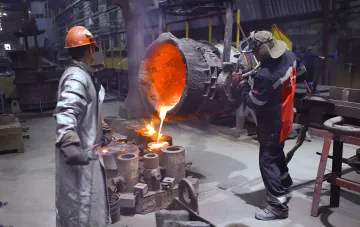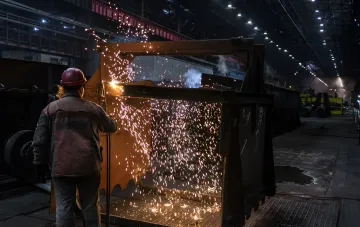
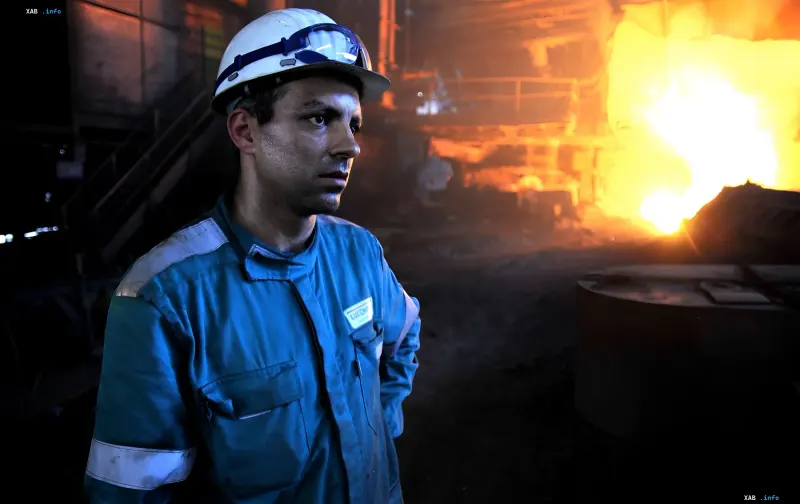
Ukrainian metallurgy in 2026 is facing unprecedented trials, enduring its most difficult period since the massive destruction at the beginning of the full-scale invasion. Systematic missile strikes on the critical infrastructure of enterprises, a severe logistical crisis, and tightened European trade restrictions have pushed this economy-critical sector to the brink of survival. The rapid decline in production forces experts and business representatives to focus not on development, but on the basic preservation of manufacturing facilities and personnel potential.
Scale of Destruction and Strikes on Critical Infrastructure
Starting from August of this year, the country's metallurgical facilities have been subjected to at least nine massive missile attacks. These strikes caused colossal damage estimated at approximately $100 million. Unlike previous periods, the focus of the attacks shifted toward destroying specific equipment: blast furnaces, rolling mills, and key energy infrastructure nodes. The uninterrupted operation of these elements is physically impossible without repairs, forcing industry flagships such as Metinvest, Interpipe, and ArcelorMittal Kryvyi Rih to repeatedly suspend technological cycles.
Logistical Deadlock and Export Market Challenges
In addition to physical destruction, the situation is compounded by a critical logistical deadlock. The de facto closure of Black Sea ports forces companies to reroute raw materials through land routes via Poland and Romania, as well as use overloaded railway tracks. As a result, transportation costs for certain types of cargo, including coking coal necessary for production, have skyrocketed by 50–60%. External market conditions also add pessimism: Ukrainian exporters face strict EU steel quotas and carbon border adjustment mechanism (CBAM) duties, reducing product competitiveness.
Ways to Save the Industry and Business Initiatives
To prevent total collapse, industry experts and top managers propose creating a specialized Metallurgy Restoration Fund, similar to the existing Ukrainian Energy Support Fund. This initiative aims to attract funds from international donors for urgent equipment purchases in Europe and emergency repairs. Additionally, the management of leading enterprises insists on negotiations with the European Bank for Reconstruction and Development (EBRD) regarding relaxed financing criteria and state support for logistics costs alongside European partners.
Economic Consequences and Risks for Future Recovery
As Dragon Capital senior analyst Denys Sakva notes, the crisis in metallurgy will inevitably extend far beyond the sector itself. Ukraine's construction sector will have to shift to importing expensive European steel, which will inevitably spur inflation and increase the overall cost of the country's future reconstruction. Returning to stability largely depends on unblocking Black Sea ports, though market participants agree that even with immediate aid, a rapid return to previous production volumes should not be expected.