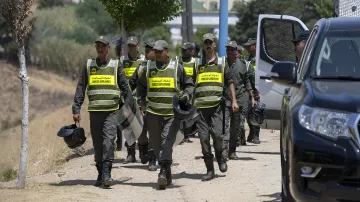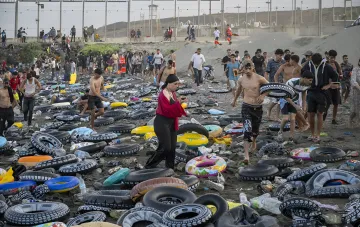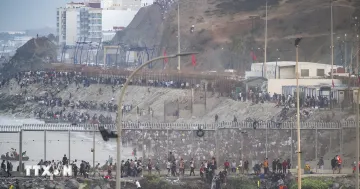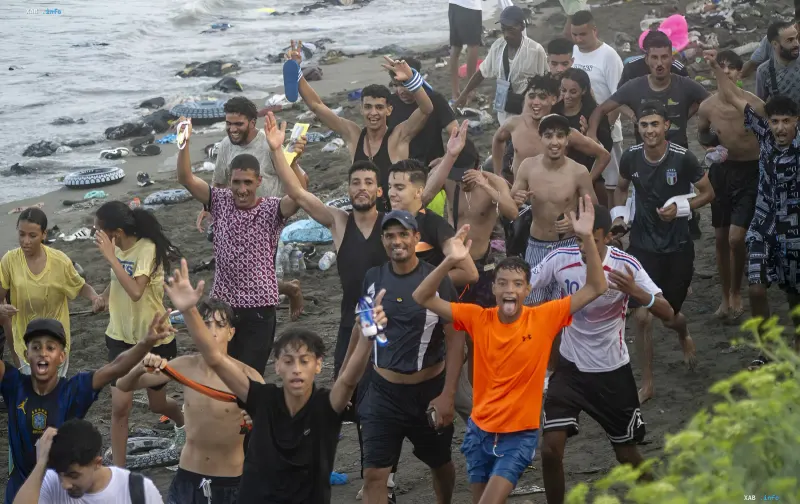
A large-scale humanitarian and security operation is unfolding on the border between Spain and Morocco. According to the latest data from the Spanish Ministry of the Interior, by 18:00 more than 48,300 illegal migrants had been expelled back to Morocco. As a result of this unprecedented wave of deportations, only about 1,700 people who managed to cross the border remain on Spanish territory.
Tragedy in the waters of El Tarajal
The mass exodus was accompanied by a serious tragedy. Rescuers pulled approximately 60 bodies from the sea off Ceuta. At least 57 people died trying to reach European territory. Most of the victims drowned while attempting to swim across the border breakwater in the El Tarajal area.
A complex search operation has been launched in the waters near the border. It involves two teams of divers — a total of eight officers from the Special Underwater Group of the Civil Guard (GEAS). They continue their work to locate and recover bodies from the water.
Reaction of neighbors and world leaders
The migration crisis in Ceuta has triggered a chain reaction among European Union countries. France, concerned by the situation, has tightened control at its border with Spain. Paris has deployed additional forces, including aviation and unmanned aerial vehicles, to prevent possible migrant infiltration into its territory.
Similar measures have been taken in Italy. The country's Ministry of the Interior has ordered the closure of maritime and air borders with Spain, aiming to isolate the situation and prevent the spread of the migration flow.
The events in Spain have also caused a stir on the international stage. US President Donald Trump, commenting on the situation, stated that he was watching a "disaster." He characterized the mass border crossing as an event resembling an "invasion".