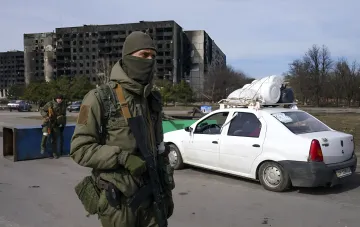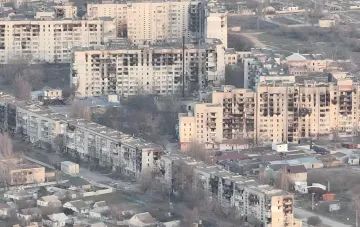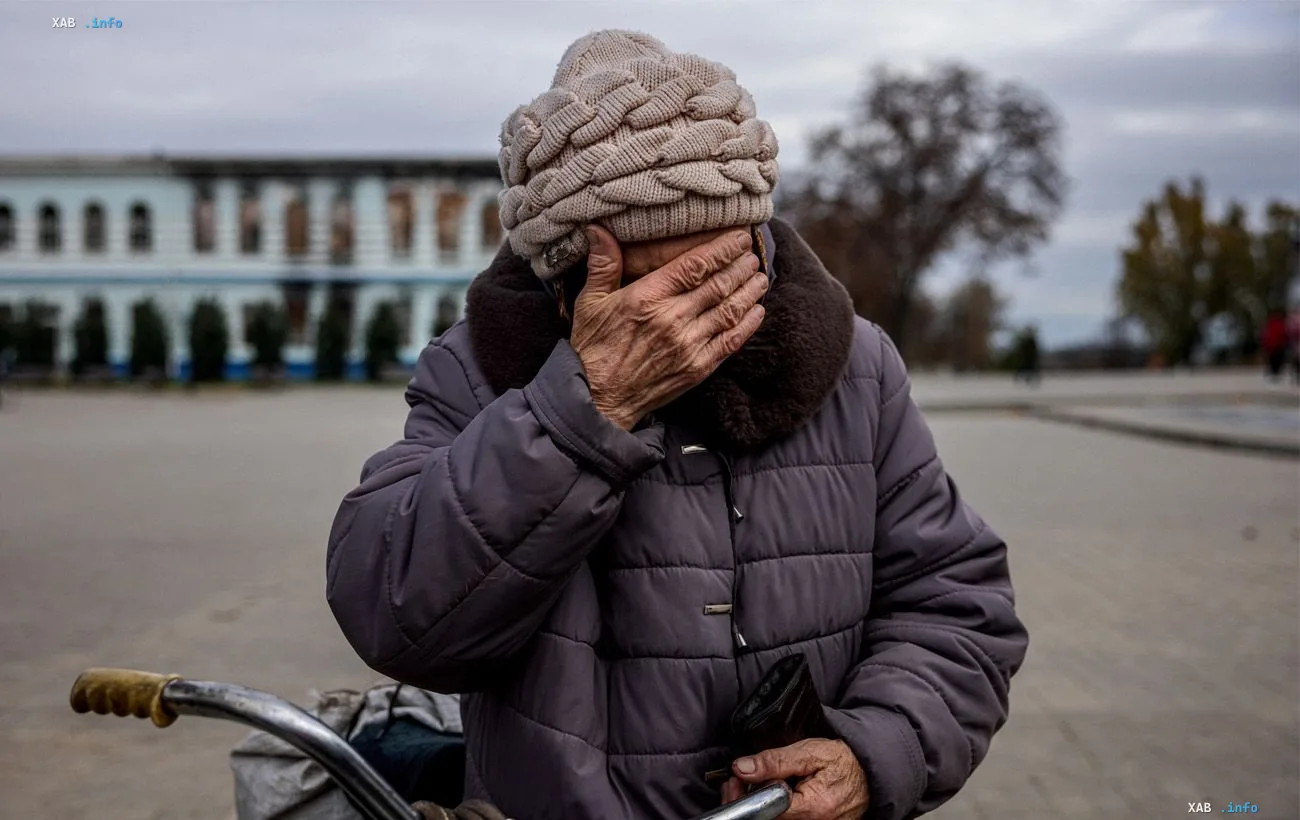
Occupied Oleshky and neighboring communities in the Kherson region have found themselves on the brink of catastrophic survival amid a total blockade, systematic road mining, and an artificially created famine. Russian occupation forces have turned the captured city into a modern concentration camp, using local residents as a "human shield" on the front line. While the invaders harshly disrupt any evacuation attempts and humanitarian missions, the Ukrainian military has to take risks and drop vital food supplies from drones.
Humanitarian Crisis and Artificial Shortage
The situation in Oleshky has remained critical for a long time, worsening after Russian troops blew up the Kakhovka hydroelectric power plant, which caused massive flooding. Today, the city is completely cut off from stable supplies of food, drinking water, medicine, and electricity and gas utilities. Due to the lack of communications and banking infrastructure, prices in the remaining makeshift markets have skyrocketed: for example, ten eggs can cost up to 3,000 rubles. Local residents physically cannot store supplies due to the complete absence of electricity and working refrigerators.
Civilian Terror and Lack of Medical Care
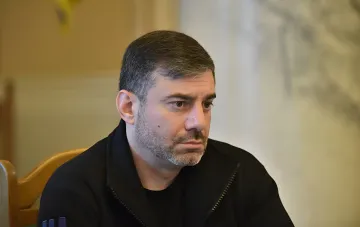
In addition to hunger, civilians face constant targeted shelling and brutal repression by the occupiers. According to Tatiana Gasanenko, head of the Oleshky City Military Administration, logistics and road mining problems began to escalate rapidly back in late 2025, and the winter of 2026 became a test of survival for those remaining in the city. Charitable organizations such as the Vostok-SOS foundation confirm the first deaths directly from exhaustion and lack of access to basic medical care. At the same time, the occupation forces cynically forbid burying the dead, demanding that bodies be taken to Kalanchak to falsify reports and create propaganda materials.
Civilian Hostages and Evacuation Blockade
About two thousand people continue to be held under extreme pressure in close proximity to active combat operations. Russia systematically torpedoes any agreements on creating safe green corridors and ceasefires. Even humanitarian assistance, which Ukrainian drone operators deliver pointwise, has to be carefully concealed by people under the threat of immediate reprisal and accusations of collaboration. Oleshky remains one of the most painful points on the map of the Kherson region, where the humanitarian situation balances on the verge of an irreversible catastrophe.