On the streets of Ukrainian cities, one can still encounter soldiers on crutches asking passersby for money. According to the veterans themselves, they do not know where to turn for help. In an interview with RBC-Ukraine, the Ministry of Veterans Affairs of Ukraine explained why this situation persists and what a civilian should do if they want to help a wounded fighter.
"This is not a military problem, but ours"
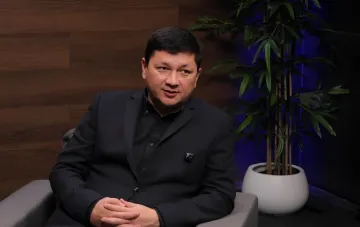
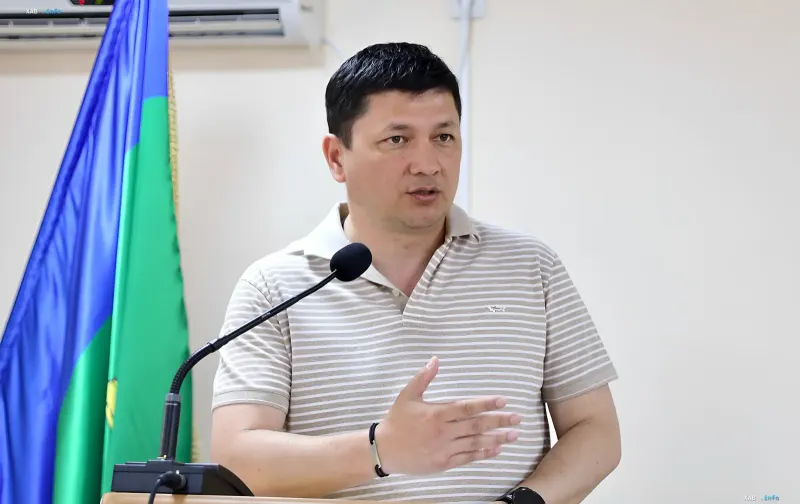
Minister for Veterans Affairs Vitaliy Kim admitted that the presence of wounded soldiers begging on the streets is a systemic issue that the department must solve. "Mostly, the problem is that people are unaware of the existence of assistance programs and where to go. This is truly not a military problem, but ours. We must bring this information to them," the minister stated. According to him, many veterans have already been moved off the streets, but the process is continuous, so individual cases are still being recorded.
How to help a soldier on the street: a step-by-step guide
The Ministry of Veterans Affairs recommends that a civilian who discovers a wounded fighter on the street contact the agency directly. They will help resolve the situation and refer the individual to an organization capable of providing the necessary support. "There are state programs, non-governmental organizations, and the Ministry of Social Policy. But in any case, this is only possible with the person's own consent," Kim emphasized. At the next stage, it is necessary to find a veteran support specialist or a representative of a relevant organization who will physically arrive and address the issue.
The US experience as a benchmark
As an example of effective work with veterans, the minister cited the United States. In the US, there are about 45,000 public organizations, many of which are small—two or three people each. It was they who took veterans home, clothed them, shod them, and helped them find jobs when the state could not cope with this task on its own. "I hope we will also solve this issue. Our strategy is to start with those who are struggling the most: those who do not know, do not know how, do not understand, and need help," added Kim.
Over 44,000 prostheses provided through state program
Since the beginning of the full-scale war, more than 44,000 people in Ukraine have received prostheses under the state program. It covers all stages—from manufacturing the device to rehabilitation sessions and technical inspections. Simultaneously, domestic production is developing: the founder of the "No Limits" prosthetics centers, Nagender Parashar, who moved to Kyiv from India in 1991, is working on creating custom knee joints for prostheses that protect users from falling.
Context: the fifth year of war and pressure on the system
At the time of the interview, Ukraine is completing the fifth year of the active phase of the war. The pressure on the veteran social support system continues to grow, and the number of those needing rehabilitation and accompaniment exceeds the capacity of state structures. That is why, according to the Ministry of Veterans Affairs, the key direction is not only expanding programs but also informational work: ensuring every wounded fighter knows what services are available and how to access them.