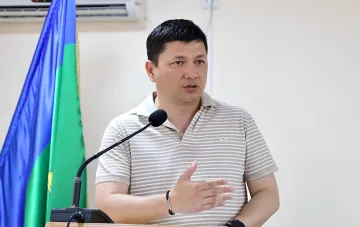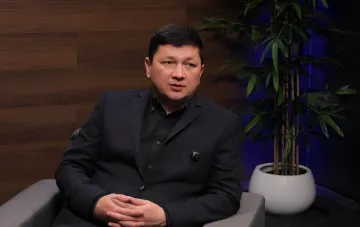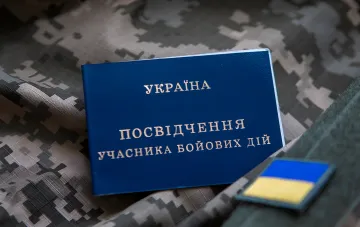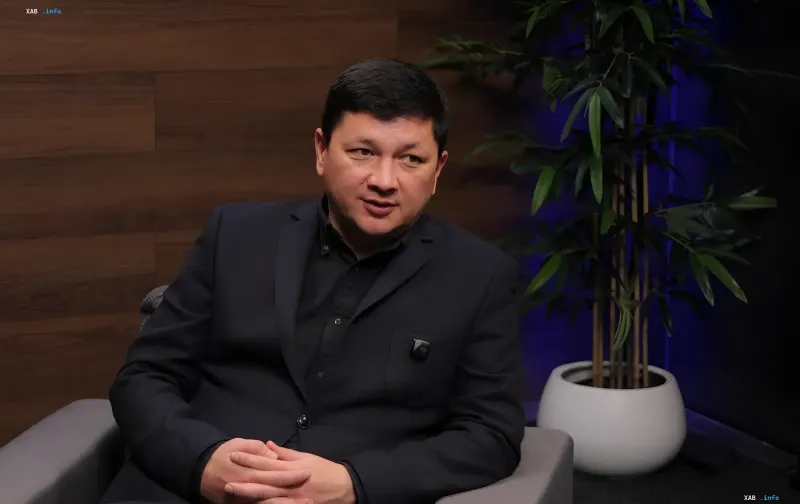
Minister for Veterans Affairs Vitaliy Kim, in an interview with RBC-Ukraine, articulated the basic principle of state policy regarding demobilized military personnel: the state's minimum obligation is to return a person to at least the same level of life, health, and employment that they had before being drafted or signing a contract. "The state must ensure a person returns to at least the state they were in before serving. That means restoring their health, psychological state, job, and the life they had. This is the minimum that must be done," the Minister emphasized. According to him, this is not about a one-time payment or formal processing, but about comprehensive rehabilitation, including medical, psychological, and social components.
Combat experience changes a person: from returning to an old job to a new start
Kim specifically drew attention to the fact that combat experience transforms personality and priorities. A significant portion of veterans rethink their lives after returning from the front: some strive to open their own business, some want to spend more time with their families, others plan to work on their own land. In this regard, according to the minister's assessment, support should not be limited to simply restoring a previous job. "Our task is to provide choice and opportunities. This includes retraining, internships, education, grants, access to loans, housing, and much more," he explained. Thus, the state, according to the Ministry of Veterans Affairs, acts not only as a guarantor of social protection but also as an infrastructural partner in professional repurposing.
Three million veterans and nine million including families: a scale that cannot be ignored
According to Vitaliy Kim's assessment, Ukraine expects more than three million veterans in the future, and when including their family members, the figure is approximately nine million people. The minister directly pointed out that the state will not be able to simply support this contingent socially. "Veterans will be part of the economy, and in my opinion, a driving part of the economy. We must create conditions so they can realize themselves in a new way," he concluded. This thesis sets the vector for all future policy: from a "payments and support" model to an "economic integration" model.
Ministry of Defense lands as a resource for housing construction
In the same interview, Kim proposed using Ministry of Defense lands for constructing housing for active military personnel and veterans. In his opinion, after the conclusion of hostilities, the State Special Transport Service, which possesses the necessary engineering and logistical infrastructure, could be involved in such work. The initiative, if implemented, would allow for solving two issues simultaneously: providing housing for the most vulnerable category and involving resources in the civil economy that were mobilized for front-line needs during wartime.
Disability and social care: a separate support circuit
The minister specifically emphasized that veterans with disabilities need specialized social care that goes beyond standard rehabilitation programs. For this category, according to Kim's logic, the priority remains the restoration of quality of life and ensuring accessibility of the environment, whereas for other demobilized individuals, the focus shifts to professional realization and economic independence. Separating these two circuits, the agency believes, should allow for a more targeted distribution of limited budget resources.