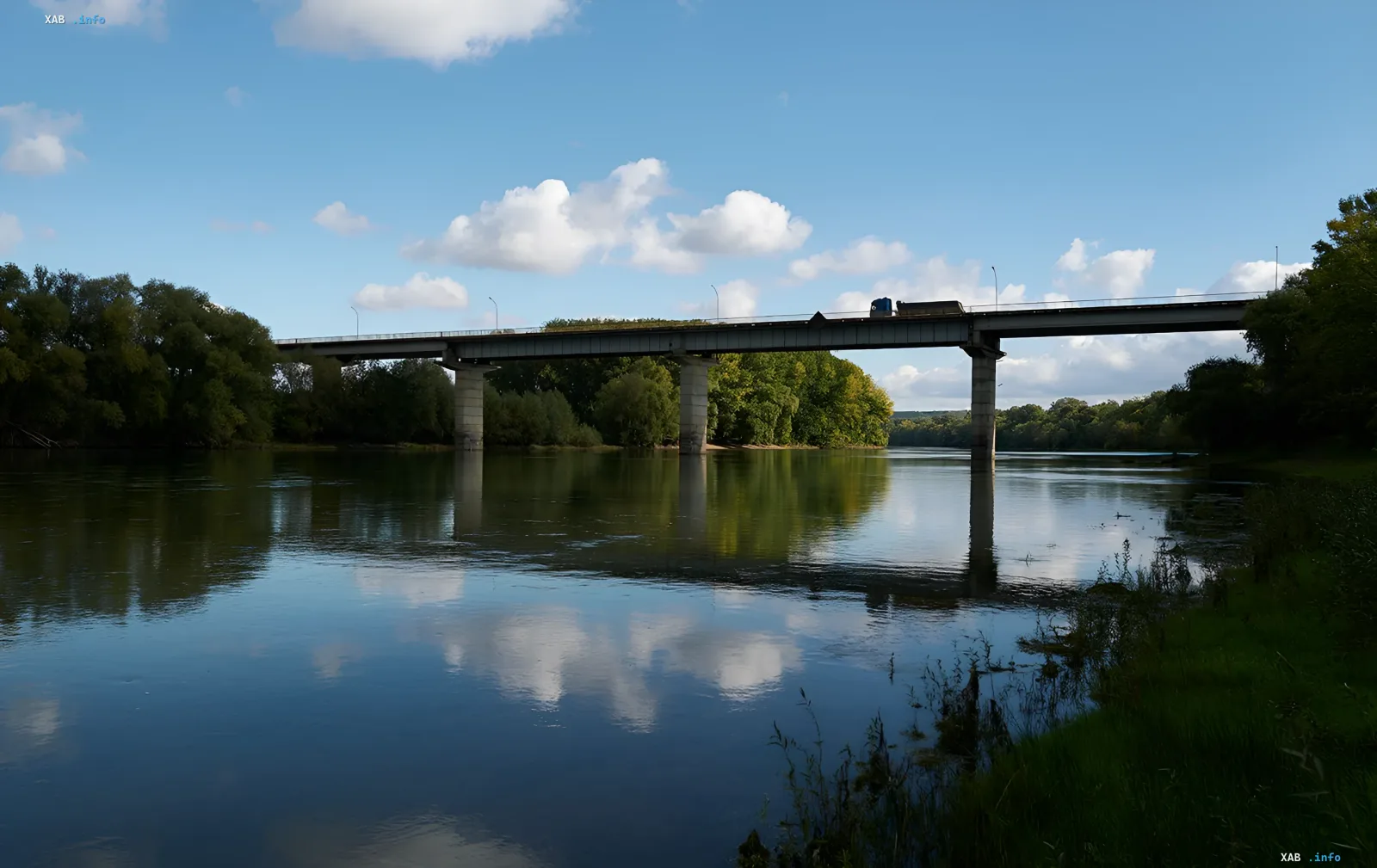
Moldova has found itself in one of the most complex hydrological situations in recent years. Due to the critical shallowing of the Dniester River, the country is forced to use water from its strategic reserve. This is reported by RBC-Ukraine, citing the Moldovan publication ziar.md.
Critical Water Level
Georg Heider, the Moldovan Minister of Environment, recorded a video address directly from the bank of the Novo-Dniester Reservoir in Ukraine, which serves as the water source for the Dniester. According to him, the situation requires immediate attention and a responsible approach from citizens.
"If the average water level last year was 117 meters, this year we have a critical water level of 112.9 meters. That is, compared to the same period last year, we have more than four meters less water," Heider stated.
The minister cited very low inflow from tributaries as the main cause of the deficit. In recent days, an average of only 30 cubic meters of water per second has been entering the lake, while about 85 cubic meters are being discharged from the reservoir to maintain water supply downstream. It is precisely this difference that forces the authorities to consume the accumulated reserve.
Government Measures and Risks for Chișinău
"The government is making efforts to ensure citizens have water, but we must remember that at the moment we are consuming water from the lake's strategic reserve. But no reserve is infinite," the minister emphasized.
Heider called on citizens to use water responsibly and to obtain information only from reliable sources. Meanwhile, authorities are trying to mitigate risks to the water supply system. The government has additionally supplied the company Apa-Canal Chisinau with four more motor pumps, bringing the total amount of equipment to five. They have a combined capacity of 4,000 cubic meters per hour and can be used to draw and transport water over long distances in case the situation worsens.
Authorities warn that reducing the volume of water discharged from the lake could affect the operation of the Vadul lui Vodă water intake station — the main source of drinking water for Chișinău. To avoid interruptions, an artificial dam has been built at the station to maintain the necessary water level.
Political Resonance and Consequences
The water crisis in Moldova has already escalated into a political scandal. The Mayor of Chișinău, Ion Ceban, publicly appealed to Ukrainian President Volodymyr Zelenskyy to personally make a decision regarding the water supply situation, stating that he does not trust his own country's authorities.
Due to the drought and the shallowing of the Dniester, Moldova has also introduced electricity consumption restrictions, which further exacerbates the situation for the population and businesses amid growing resource shortages.