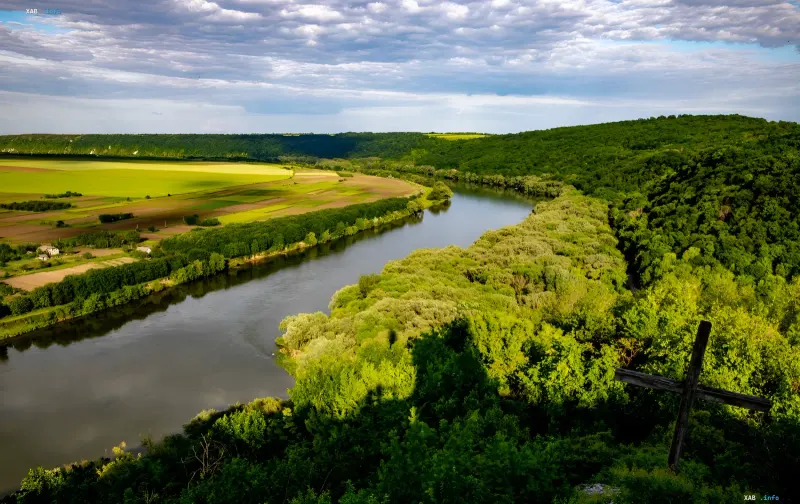
In Moldova, unprecedented safety measures are coming into force due to the critical drop in water levels in the Dniester River. The National Crisis Management Commission, led by Prime Minister Vasile Tofan, approved an action plan on August 3 aimed at stabilizing the energy system and preserving water resources.
Energy Mode: Export Ban and Power Saving
A key decision by the commission was to limit the commercial export of electricity during peak consumption hours. From 18:00 to 22:00, energy transmission abroad will be suspended to ensure uninterrupted operation within the country. Simultaneously, the national company Energocom is intensifying the search for alternative energy sources, turning to the markets of Romania, Ukraine, and other available partners.
Strict conservation norms are being introduced for citizens and businesses:
- Interior lighting in public and commercial buildings must be reduced by at least 30%.
- From 18:00 to 06:00, fountains, shop windows, as well as decorative, architectural, and advertising lighting will be completely switched off in populated areas.
- Water utility operators will adapt pump operations to reduce energy consumption during peak hours.
Safety in Residential Buildings
Building managers have been instructed to warn residents about recommendations for elevator usage. During hours of maximum load — from 06:00 to 09:00 and from 18:00 to 23:00 — using elevators is not recommended to avoid the risk of getting stuck in the event of possible power outages.
For long-term stabilization of the situation, priority will be given to connecting solar and wind stations equipped with batteries and energy storage systems. The company Moldelectrica will strengthen coordination with Romanian and Ukrainian operators for the rapid activation of emergency assistance if necessary.
Water Regime: Ban on Irrigation and Street Washing
The water situation requires equally strict measures. The use of water for washing streets, sidewalks, as well as filling swimming pools and recreational water bodies is restricted. Withdrawal of water from the Dniester for irrigating agricultural land is permitted exclusively at night — from 21:00 to 06:00. Priority is given to garden crops.
The Ministry of Environment is empowered to temporarily restrict water withdrawal on river sections where water levels have reached critical marks. Industrial enterprises not related to medicine or food production are required to reduce water consumption by at least 20%.
To ensure the population with water, local authorities are activating reserve artesian wells, and control over water quality at withdrawal points will be significantly strengthened.
Regional Context: Threat to Nuclear Power Plants
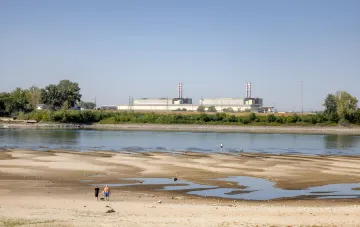
The problem of rivers running dry is not limited to Moldova's borders. The drought is seriously affecting neighboring countries as well. In Hungary, where the water level in the Danube has dropped to critical values, authorities have warned of a possible shutdown of the country's only nuclear power plant. Hungarian Prime Minister Peter Matyar declared a state of emergency, noting that the next five days could be critical for the country's energy system.
Even more radical measures are being taken in Romania. Due to the catastrophic low water level of the Danube, threatening the operation of a nuclear reactor, the military is preparing to blow up a rock to restore the necessary water level and maintain the station's operability.