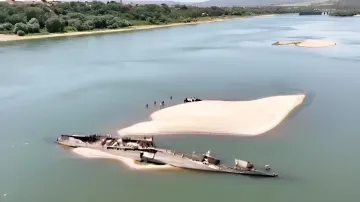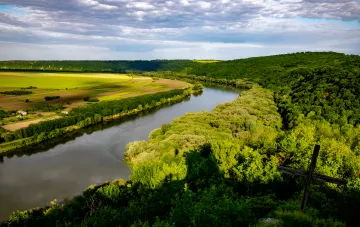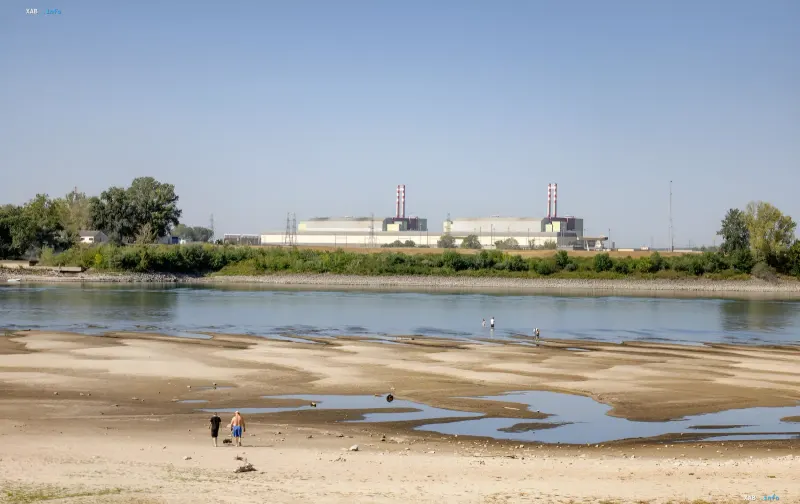
A large-scale operation is unfolding in Romania, where military forces are taking on a task usually reserved for hydro-engineers. To keep a nuclear power plant operational, the army is preparing to blast a rock formation on the Danube River. The reason for these emergency measures is a catastrophic drought that has caused one of Europe's largest waterways to reach historically low levels.
Military vs. Rock
Romanian military forces have already conducted two blasts, but the results have fallen short of expectations. Marcel Neculae, Deputy Commander of the Romanian Naval Forces, reported that the rock was significantly harder than anticipated during the planning of the operation. Despite this, work continues with the involvement of more than 100 service members.
Each charge possesses colossal power necessary to alter the river's course. The main goal of the operation is to redirect the water flow from the Bala arm to the Old Danube arm. This should ensure the nuclear reactor receives the necessary volume of cooling water, without which its operation is impossible.
Consequences of Drought for Europe
The problem is not limited to Romania alone. The severe drought sweeping the continent has led to a critical drop in water levels on the Danube. This has already dealt a serious blow to shipping, tourism, and industry in several countries in the region.
The situation in the energy sector is of particular concern. It was previously reported that low water levels in Hungary threaten the operation of the country's only nuclear power plant. Hungarian Prime Minister Viktor Orbán was forced to declare a state of emergency, warning that the next five days would be critical for the country's energy system.
The situation on the Danube vividly demonstrates how climate anomalies can escalate into geopolitical and economic crises, forcing states to resort to radical methods, including the use of military equipment to save civilian infrastructure.