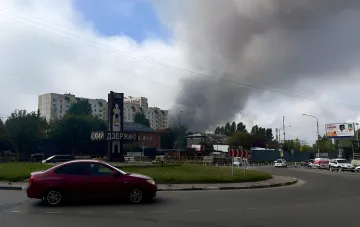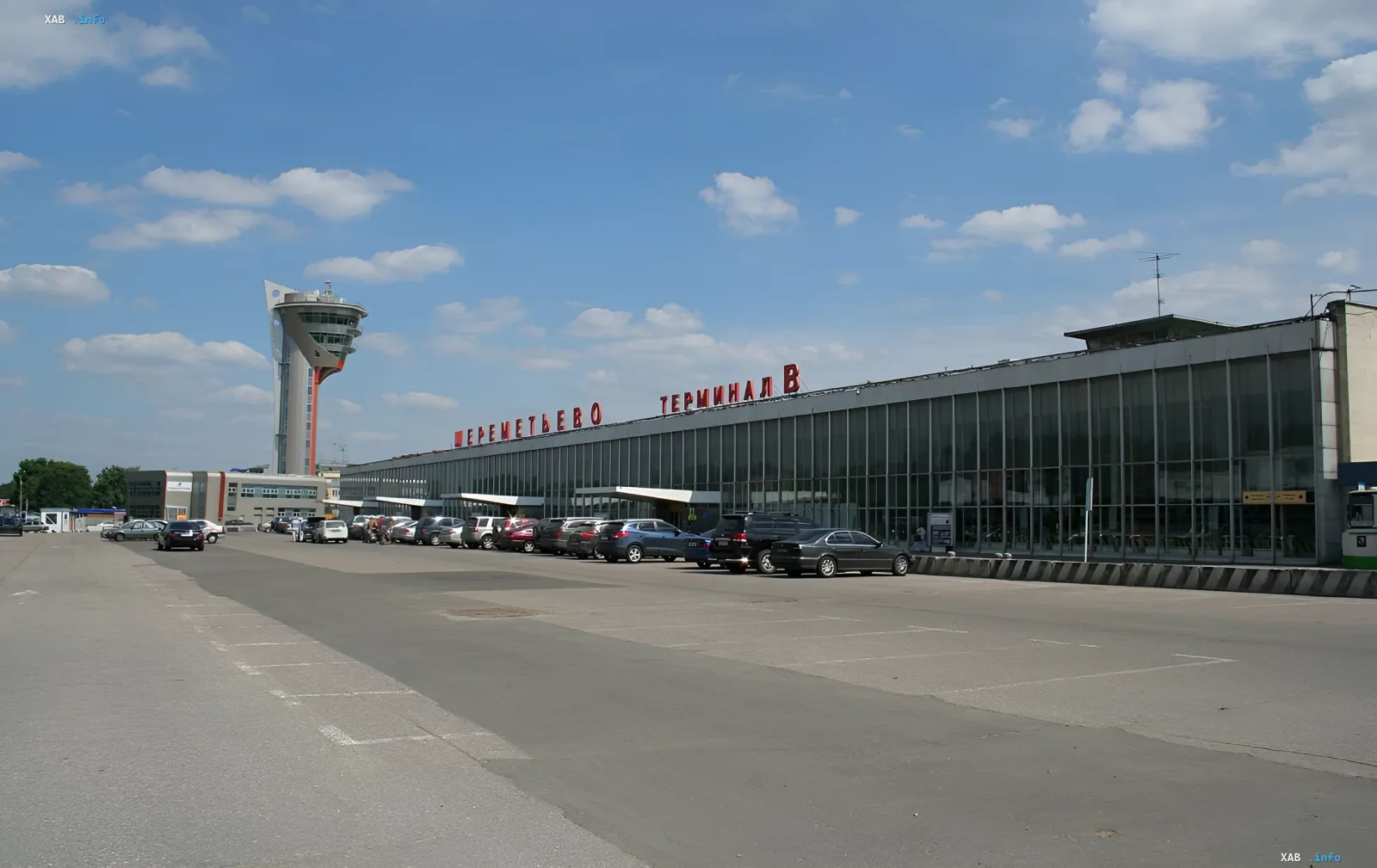
On Sunday, September 20, 2026, the capital's airports faced one of the largest disruptions to air traffic in the entire course of the conflict. According to online flight boards and the Yandex Schedules service, a total of more than 400 flights were cancelled or delayed across Moscow's airports. The situation unfolded against the backdrop of a nighttime drone attack that, according to Ukrainian President Volodymyr Zelenskyy and reports by RBC-Ukraine, the Ukrainian Defense Forces called the largest-scale strike on Moscow in the entire war.
Scale of Disruptions at the Capital's Airports
The consequences were most acutely felt at Sheremetyevo Airport. As of noon on Sunday, more than three dozen flights had been cancelled there, while over 120 were delayed on arrival and a comparable number — on departure. Some aircraft were diverted to backup airports: Nizhny Novgorod, Kazan, Cheboksary, and Saint Petersburg. At Vnukovo, 11 flights were cancelled, including Russian and international destinations, 69 aircraft were delayed on arrival, and 60 — on departure. At Zhukovsky, two flights were cancelled since the start of the day, four were delayed on arrival, and three on departure; the airport resumed operations at 9:00. By 12:50, Vnukovo reported a "gradual restoration of normal operating mode."
Which Destinations Were Affected
According to Yandex Schedules data as of the morning of September 20, cancellations affected flights to Sochi, Gelendzhik, Mineralnye Vody, Saint Petersburg, Perm, Minsk, and other cities. Among the delayed destinations were Antalya, Sharm el-Sheikh, Cairo, Istanbul, Sochi, Kaliningrad, Yerevan, and Almaty. At Vnukovo, delays and cancellations affected, in particular, flights to Antalya, Istanbul, Samarkand, Batumi, and Yerevan, as well as to Minsk and Saint Petersburg. Thus, the disruptions covered both domestic and international routes, including popular resort and business destinations.
Official Positions of the Airports
Sheremetyevo's press service reported that flights are "operating on an adjusted schedule," and that the changes being made are "unavoidable," including due to the closure of airports in other regions. A similar wording was provided by Domodedovo. The operators emphasize that operations are being conducted in an adjustment mode rather than a full shutdown, and that they are gradually returning to the regular schedule. At the same time, the airports themselves do not disclose a detailed causal link to the nighttime incident in their official comments, limiting themselves to references to "restrictions" and "the closure of airports in other regions."
Context: The Nighttime Attack and Statements by the Parties
RBC-Ukraine previously reported that during the night of September 20, the Ukrainian Defense Forces carried out, by their assessment, the largest-scale attack on Moscow in the entire war. According to Volodymyr Zelenskyy, drones, as well as the Flamingo and Pelican systems, were used during the operation. It was this nighttime strike, according to media reports, that triggered the mass closure of airspace and the adjustment of schedules at the capital's airports, leading to a chain reaction of delays and diversions across the network.
Contradictory Data
There is a notable discrepancy in emphasis between the statements of the parties and the wording of the airports. The Ukrainian side (Zelenskyy, RBC-Ukraine) directly names the cause of the disruptions as the "largest-scale" drone attack on Moscow, whereas the official press services of Sheremetyevo and Domodedovo do not confirm the attack as a direct cause in their public comments, instead citing "unavoidable" changes and "the closure of airports in other regions." The assessment of the attack's scale as the "largest in the entire war" is a statement by the Ukrainian side and has not been independently verified. The fact of mass delays and cancellations (more than 400 flights), however, is confirmed by online flight boards and several independent media outlets, although the exact figures for each airport may vary slightly depending on the moment the data was recorded.