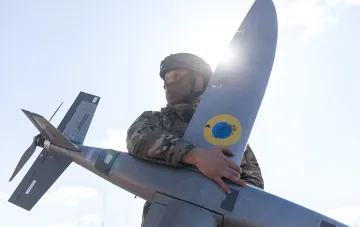
On Monday evening, the Russian capital was subjected to a massive aerial drone attack. Moscow Mayor Sergei Sobyanin officially confirmed the information regarding the large-scale raid, stating that the attack in the airspace of the capital region had been successfully repelled. Such incidents have recently become increasingly regular, significantly impacting the operation of civil infrastructure and transport hubs in the metropolis.
Chronology of the Repelled Attack and Air Defense Operations
According to official statements from the capital's authorities, the air defense forces of the Russian Ministry of Defense conducted combat operations in the skies over the region in several stages. Initial data indicated the destruction of ten drones heading toward Moscow, but this figure was subsequently increased. Emergency response teams were immediately dispatched to the crash sites of the downed devices to eliminate potential consequences on the ground.
Flight Disruptions and Airport Reactions
The massive drone attack inevitably affected civil aviation safety. Russian mass media reported significant scheduling adjustments. Specifically, three passenger planes flying from the Republic of Turkey to Moscow were forced to turn back over Lithuanian territory and return due to temporary restrictions and high-alert protocols introduced at the Vnukovo capital airport.
Contradictory Data
It is worth noting noticeable discrepancies in the operational data of various sources regarding the exact number of drones involved in the attack. Initial statements by officials and the mayor's reports limited the figure to 15 intercepted drones. At the same time, regional Russian publications and monitoring reports citing other emergency and departmental records claimed the liquidation of 17 to 23 aircraft, indicating the large-scale nature of the raid and the difficulty of counting amid intensive air defense operations.
Broader Context and Previous Incidents
The current attack continues a series of drone incidents in the Moscow region. Earlier, on October 9, similar threats prevented the Russian leadership's aircraft returning from Turkmenistan from landing on schedule, redirecting it to St. Petersburg. Furthermore, earlier in the month, strategic facilities in the region were targeted, including the Moscow Oil Refinery in Kapotnya, highlighting the vulnerability of key infrastructure.