
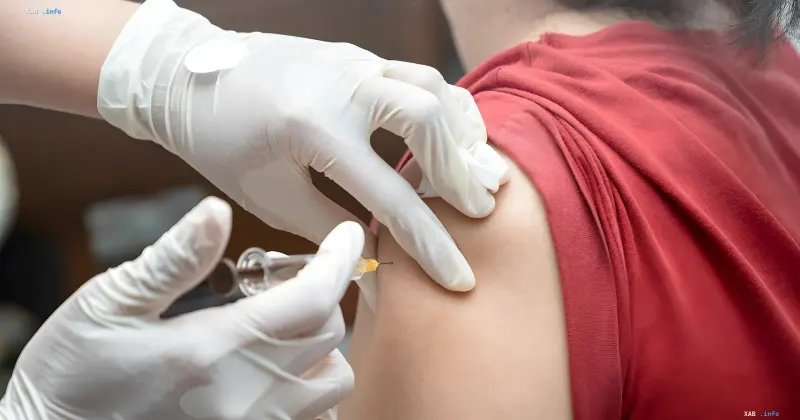
On August 19, 2026, pharmaceutical giants Moderna and Merck officially announced positive results from the Phase III clinical trial of their mRNA vaccine against skin cancer. This event is regarded by the medical community as a historic milestone: for the first time, a personalized neoantigen therapy based on mRNA has passed large-scale trials, opening real prospects for licensing and implementation in clinical practice. The success of the trial named INTerpath-001, which involved more than 1,100 patients with advanced melanoma who had undergone complete tumor removal surgery, confirms that an individualized approach to treating cancer is moving from the experimental to the evidence-based category.
How personalized mRNA therapy works
Unlike traditional protocols that apply a single treatment plan to all patients, this therapy is tailored individually. Specialists sequence genes from a specific patient's tumor sample and compare them with healthy cells to identify specific mutations. Computer algorithms then select up to 34 abnormal proteins capable of triggering the strongest immune response and encode them into a synthetic mRNA sequence in the vaccine. When administered, the vaccine trains the immune system to recognize these mutations, while the immunotherapy drug Keytruda breaks down the barrier that prevents immune cells from attacking the tumor. In the trial, patients were divided into groups: one received a combined regimen with the experimental vaccine, the autogene intismeran, and Keytruda, while the other received Keytruda only.
Results: reduced risk of recurrence and metastasis
By the end of Phase III, the combined treatment regimen demonstrated a significant improvement in recurrence-free survival, as well as the ability to prevent the cancer from metastasizing to other organs. Professor Georgina Long from the Australian Skin Cancer Institute confirmed that this is the first Phase III clinical trial to show that combining personalized therapy with immunotherapy significantly reduces the risk of death or recurrence compared to standard protocols. Earlier five-year follow-up at an earlier stage of the trials also recorded a 49% reduction in the risk of recurrence.
Safety and post-vaccination reactions
Preliminary safety data indicate that the combination of the vaccine and the immunotherapy drug did not cause any unusual side effects. Common mild-to-moderate reactions include fatigue, pain at the injection site, and chills — manifestations comparable to typical post-vaccination reactions to other widely used vaccines. This is an important argument in favor of the therapy's tolerability for regulatory authorities.
Prospects beyond melanoma and regulatory steps
Moderna CEO Stéphane Bancel stated that the new results "brought to life the dream of creating personalized mRNA vaccines for every cancer patient." The success goes beyond melanoma and strengthens confidence in nine other ongoing studies of dangerous types of cancer, including lung, bladder, and kidney cancer. Both companies plan to present detailed data at an upcoming international medical conference and begin working with regulatory authorities to obtain marketing authorization in the coming months.
Contradictory data
There are inconsistencies in open sources that require attention. First, a number of publications (in particular, the outlet expert.ru) report that Moderna's shares "surged by almost 160%" against the backdrop of the successful trial, whereas other specialized sources (vietnam.vn, inform.kz, rbc.ru) do not confirm such an anomalous spike, which looks atypical for a one-day market reaction to a medical news item and may contain an error in the figure. Second, in the section describing safety, one of the original sources mistakenly calls the immunotherapy drug Keytruda an "immunodepressant," which contradicts its actual mechanism of action (inhibition of immune system checkpoints) and the terminology used in the main trial materials. Both versions are presented openly for the reader's assessment.