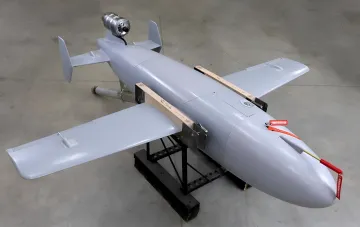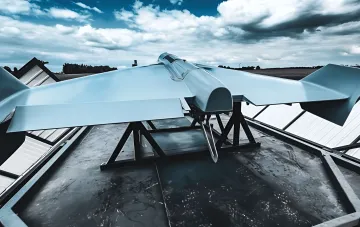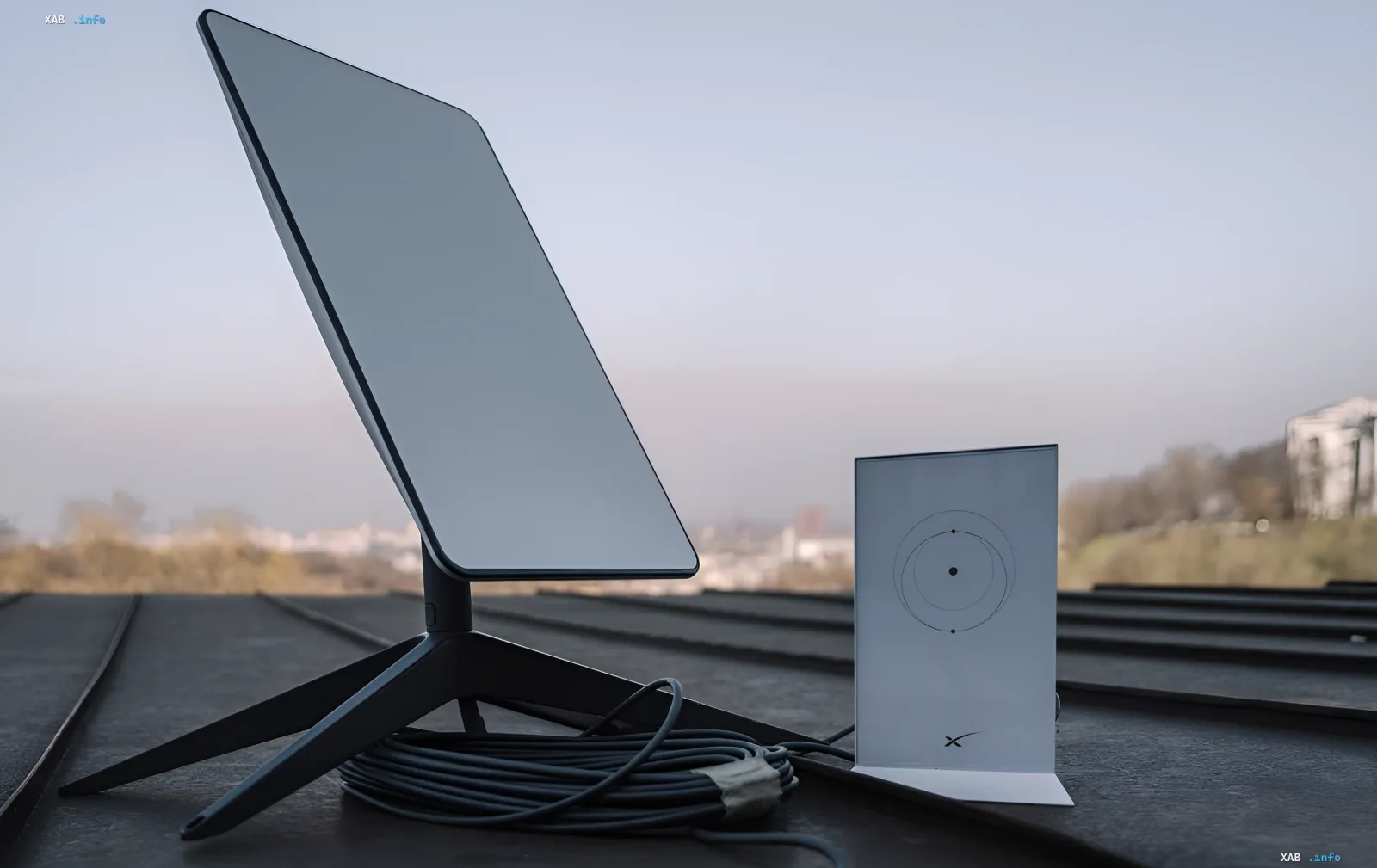
According to the Financial Times, as cited by RBC-Ukraine, Elon Musk is prepared to allow Ukraine to use unmanned aerial vehicles equipped with Starlink terminals to strike Russian military objects up to 200 kilometers from the border. The focus is on ballistic missile launchers. The initiative was publicly put forward by President Volodymyr Zelenskyy, who appealed to Musk for such permission. According to the publication's sources, the billionaire had already informed Ukrainian Defense Minister Mykhailo Fedorov that he was ready to grant the corresponding consent.
Political nuance: the decision rests with the White House
The key limitation emphasized by Musk is that the issue is political in nature and the final decision must be made in the White House. Thus, even if SpaceX is technically ready, the Starlink system cannot be used to control drones beyond Ukraine without the approval of the U.S. administration. The possibility of such use effectively depends on two conditions: Musk's position and the decision of Washington. SpaceX and Musk himself did not promptly respond to the Financial Times' requests for comment, while Fedorov declined to disclose the details of his talks with the billionaire.
Kyiv's demands: investment and a 'language of force'
Mykhailo Fedorov stated that further development of Ukraine's long-range capabilities could become one of the most effective ways to force Vladimir Putin to end the war. At the same time, he said, this requires additional investment in armaments: 'We need more jet-powered drones, we need cheap missiles, we need missiles with artificial intelligence.' Fedorov also emphasized: 'You cannot have any dialogue with Putin any other way... He only understands force.'
Contradictory data
There are two significant inconsistencies here that are important to take into account. First, Ukraine had previously been in talks with Donald Trump and Elon Musk about the possibility of using Starlink on Russian territory for defensive purposes, but at that time Musk did not agree to such an option. The current report of his readiness effectively signals a change of position, but this change has not been publicly confirmed by either Musk himself or SpaceX. Second, all the information relies on one-sided sources from the Financial Times and RBC-Ukraine's retelling: neither the company nor the billionaire has commented on the publication, and Fedorov has not revealed the details of the conversation. Thus, until official confirmation from SpaceX and the White House, the information remains at the level of a leak rather than a confirmed fact.
Context: from negotiations to readiness
This concerns expanding the geography of Starlink's use beyond Ukrainian territory — to control unmanned aerial vehicles capable of striking targets on Russian soil. If permission is granted, this will set a precedent for the use of commercial satellite communications for direct combat application against third countries. Against the backdrop of Kyiv's statements about the need for 'cheap missiles' and 'AI-powered missiles,' the issue becomes part of a broader discussion about what means and in what volume Washington is ready to provide to Ukraine, and how far Musk is willing to tie his infrastructure to military operations requiring the White House's political approval.