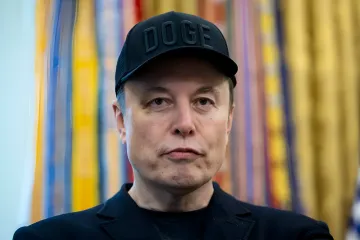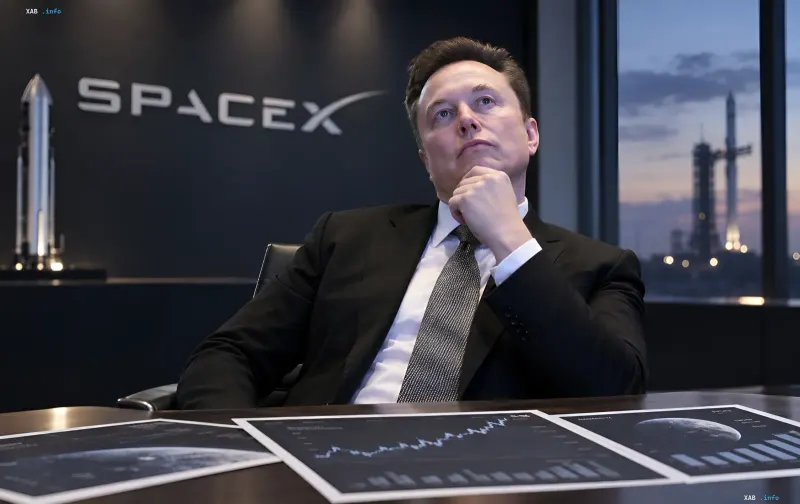
Elon Musk has publicly announced his intention to gift one share of his space company, SpaceX, to every child in the United States. This is reported by RBC-Ukraine with reference to Business Insider. According to the billionaire, the share distribution will be the first step in a series of similar initiatives he plans to implement in the future.
Scale and Cost of the Program
According to analysts' estimates, if the program covers all children in the US, it will involve approximately 72 million people. Taking into account the current value of SpaceX securities, the total cost of the gifted shares could reach about $10.5 billion. According to Newsweek, Musk currently owns roughly 6.4 billion shares of the company—slightly less than half of the total equity—and the market value of a single share is estimated at approximately $146–150.
Context: Trump Accounts and Shotwell's Stance
The statement echoes a U.S. administration initiative called Trump Accounts, under which children born between 2025 and 2028 are opened investment accounts with an initial federal contribution of $1,000. Previously, SpaceX President Gwynne Shotwell and her husband promised to transfer company shares to more than 2 million children, but Musk himself had not previously publicly committed to giving away his own stake.
Details Not Yet Disclosed
At this time, Musk has not disclosed exact details of how the distribution process will be organized or what selection criteria will be applied. It remains unknown whether the program will use existing government investment accounts or if a separate regulatory mechanism will be created for this purpose. SpaceX remains one of the world's most valuable private companies, developing the Starlink satellite internet network, rocket systems, and spacecraft.
Ideology Behind the Initiative
Elon Musk has repeatedly expressed the view that the development of artificial intelligence and robotics could lead to a future where people do not need to work to survive, and the state will provide citizens with an income regardless of employment. In his vision, robots and AI will be able to produce so many goods and services that society will ensure a high standard of living even for those who do not work. The share distribution apparently fits into this logic of early citizen involvement in the ownership of technological assets.