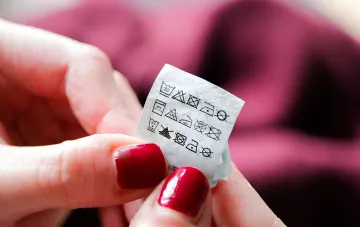
In August 2026, when seasonal wardrobe changes become a relevant topic for many, closet owners face an unpleasant problem: freshly washed clothes, placed on a shelf, begin to smell musty after just a few hours. Experts from the Styler project (RBC-Ukraine) and other sources point out that the cause lies not in the age of the items, but in physico-chemical processes occurring inside a closed space.
The Physiology of Mustiness: Moisture and Lack of Air
The main cause of the specific "scent of antiquity" is the combination of moisture and poor air circulation. As specialists note, even minimal fabric moisture remaining after drying becomes a catalyst for the process. This is especially true for dense materials: thick sweaters, towels, and bed linens. If such an item ends up in a closed closet without being fully dry, ideal conditions are created for the development of microorganisms, which generate the unpleasant odor.
It is important to understand that the source of the smell may not be in the clothes themselves. Mustiness often accumulates on shelves, in furniture joints, or on the back wall of the closet. If the furniture stands against a cold exterior wall where condensation may form, the problem will be systemic. In such cases, washing the clothes is not enough — a comprehensive fight against humidity in the room itself is required.
Combat Methods: From Ventilation to Home Remedies
To eliminate the problem, experts recommend starting with radical measures: completely empty the closet and leave it open for several hours. Air movement is critical for reducing moisture accumulation. After this, it is necessary to rewash the items that smell the strongest and ensure they are absolutely dry before putting them back.
As a preventive measure and to eliminate residual odors, you can use accessible home remedies:
- Baking soda: a bowl of soda effectively absorbs odors in enclosed spaces.
- Dry coffee: poured into a container, it overpowers mustiness with its strong aroma.
- Bay leaves: contain volatile compounds that add freshness, but are not a powerful absorber.
- Activated charcoal: a budget option for odor adsorption.
Contradictory Data
There is a widespread misconception that air fresheners can completely solve the problem. Styler experts warn: using sachets, bay leaves, or coffee makes no sense if the closet remains damp. The smell may be temporarily masked, but as long as the source of mustiness (moisture) remains, the unpleasant aroma will return. Some sources suggest using air fresheners as the primary remedy, however, fact-checking shows that without eliminating humidity and mold, this is only a temporary measure.
Prevention and Humidity Control
The key factor in preventing mold and odor is humidity control. If the smell keeps coming back, check the wall behind the closet for signs of condensation or mold. The best formula for freshness is simple: dry clothes + clean closet + fresh air + humidity control. Only after these conditions are met can aromatic additives be used to create a pleasant scent.