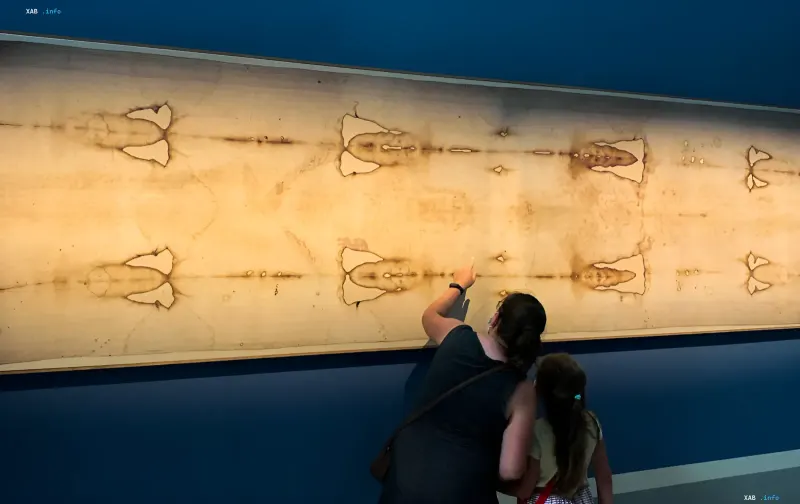
Recent genetic studies of the Shroud of Turin have once again drawn the attention of the global scientific community and the public to one of the most famous Christian relics. According to a publication in the authoritative scientific journal Scientific Reports, researchers applied advanced next-generation sequencing technologies, which opened unprecedented opportunities for the simultaneous analysis of millions of genetic fragments. The focus of the researchers was on 12 carefully selected samples of textile fibers bearing traces of the cloth's centuries-old history.
Mystery of the Relic: Rare DNA and Middle Eastern Traces Discovered on the Shroud of Turin

Key Points
- A rare maternal DNA lineage H33, typical of the Middle East, was found on the fibers of the Shroud of Turin.
- Salt-loving microorganisms indicate the possible storage of the fabric near the Dead Sea.
- Numerous biological contaminations and researchers' DNA complicate the definitive dating of the relic.
Verified Sources
-
What was verified: Опубликованы данные из журнала Scientific Reports о ближневосточной ДНК H33 и солелюбивых микроорганизмах.
-
Туринская плащаница хранит ДНК половины мира: ученые нашли на ней следы многих животных и ... ↗ Confirmed with reservations
What was verified: Упоминаются многочисленные следы ДНК животных и людей, накопившиеся за века.
-
What was verified: Подтверждено наличие следов поздней растительности и примесей.
-
What was verified: Детализированы биологические примеси различных эпох.
Frequently Asked Questions (FAQ)
What rare DNA was found on the Shroud of Turin?
Scientists found a rare maternal DNA lineage H33, which is currently widespread in the Middle East (Holy Land, Jordan, Lebanon, Syria).
Why do researchers doubt the purity of the ancient samples?
The samples are contaminated with the DNA of people who touched the relic over centuries (including Professor Pierluigi Baima Bollone) and pollen from European and New World plants.