Modern artificial intelligence technologies continue to penetrate the most unexpected areas of human activity, including historical research and cryptoanalysis. Two independent researchers have demonstrated a major breakthrough by applying state-of-the-art language models to decrypt historical archive documents from World War II. Tasks that historians and cryptographers struggled with for many years were solved in just a few days thanks to the synergy of machine intelligence and expert databases.
Breakthrough in Decryption Using OpenAI Astra
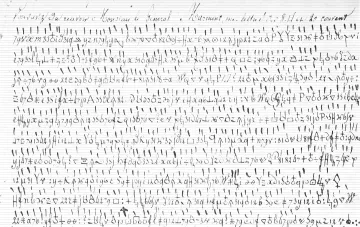
The OpenAI Astra model independently discovered archive clues within unstructured data arrays and completely restored the text of a secret message that had remained unsolved since 2005. While human experts previously spent weeks of meticulous manual work cross-referencing codes and searching for contextual clues, the neural network accomplished the task in just two days, opening a new chapter in digital archaeology and historical cryptography.
Claude Opus 5 Contribution and Expert Verification
In turn, cybersecurity specialist Jack Willis applied the Claude Opus 5 model, directing its analytical efforts using personalized signatures of Wehrmacht and Allied officers. The use of specific markers allowed the model to build logical chains and bypass the cipher's defensive mechanisms. Noted international cryptography researcher Frode Weierud officially confirmed the absolute correctness of the results, noting the historical significance of this event.
Controversial Data
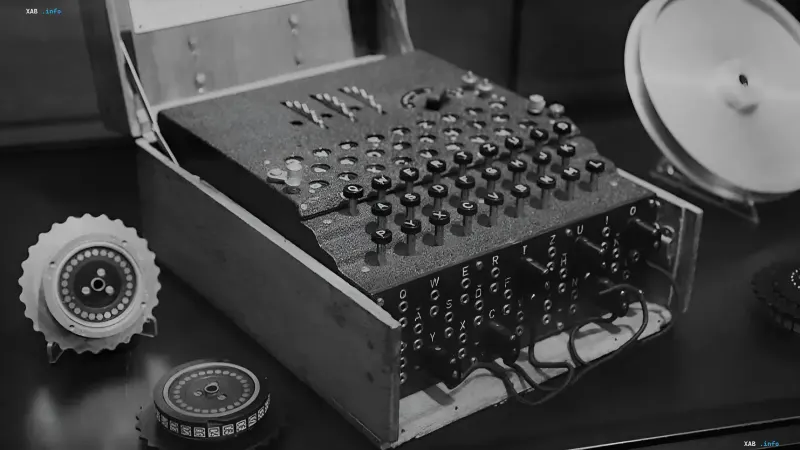
It is worth noting that certain discussions and conflicting data surround the integration of cutting-edge neural networks into historical research. Part of the academic community remains skeptical about reports of using advanced model versions, pointing to the high complexity of verifying generated content and the potential probability of AI hallucinations when working with damaged historical artifacts. Nevertheless, an independent audit confirmed the authenticity of the deciphered Enigma texts.
Implications for Global Cryptography
According to leading experts, following these phenomenal successes, only seven encrypted messages from the legendary German Enigma encryption machine remain unsolved in world archives. The successful deployment of modern neural networks demonstrates that the era of insoluble historical ciphers is coming to an end, and artificial intelligence is becoming an indispensable tool for researchers of the past, providing access to previously lost pages of human history.