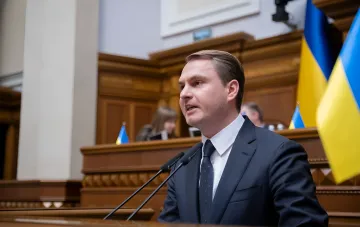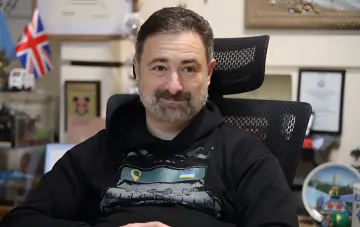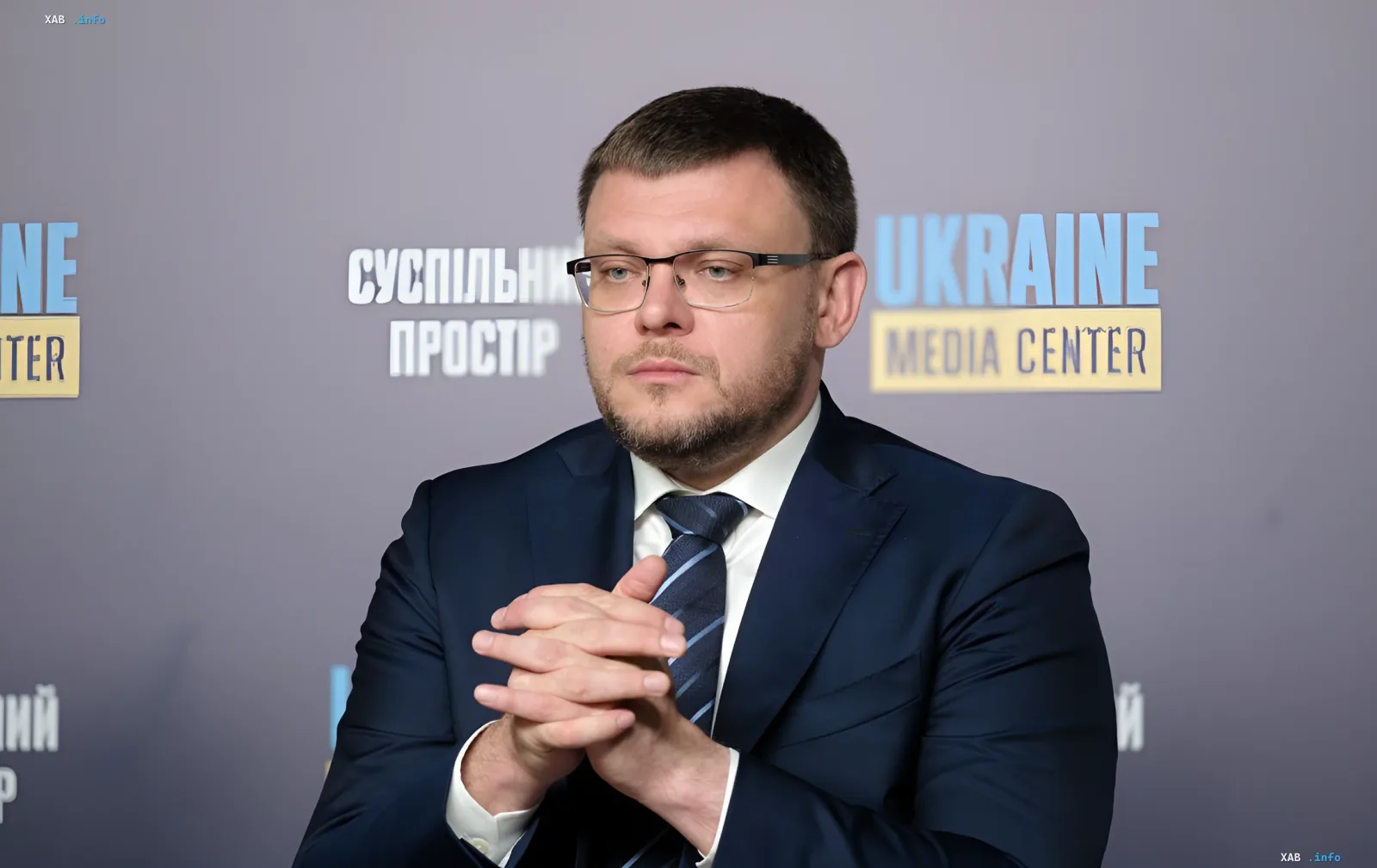
A new public conflict has erupted in Ukraine between law enforcement agencies, going beyond the bounds of standard inter-agency disagreements. The Director of the National Anti-Corruption Bureau (NABU), Semen Krivonos, at a joint briefing with the head of the Special Anti-Corruption Prosecutor's Office (SAP), Alexander Klymenko, stated that he personally neither saw nor received the paper notification of suspicion that, according to Prosecutor General Alexander Kravchenko, was signed and served to him. According to Krivonos, "no one brought or served a suspicion to me," and the document itself, which Kravchenko published in the public domain, was called by the NABU Director an "incomprehensible invention" and an "informational genre" called a "telegram suspicion."
Prosecutor General's accusations
Earlier that same day, Alexander Kravchenko publicly declared that he had signed a suspicion against the NABU Director and called on Krivonos to resign. The Prosecutor General accused the head of the anti-corruption agency of forging official documents in order to obtain undue benefit on an especially large scale. In addition, Kravchenko charged Krivonos with a fictitious adoption of a child, which, according to the prosecutor's version, he allegedly attempted to use to artificially create grounds for evading liability in court. Kravchenko emphasized that he was confident in the materials gathered and was ready to make them public, after which he published the text of the suspicion he had signed, as well as so-called "recordings" concerning the NABU Director. According to him, the court has already confirmed the fact of a crime committed by Krivonos, although the latter evaded punishment.
Reaction of the NABU and SAP leadership
The leadership of the anti-corruption agencies responded to Kravchenko's statements at a joint briefing. Semen Krivonos and Alexander Klymenko delivered comments in which they challenged the very procedure of "serving" the suspicion. Krivonos emphasized that he personally did not see the paper document, and that no notification of suspicion was sent directly to him. The phrase "telegram suspicion," which he used, became the key quote of the briefing and was widely cited by Ukrainian media, including RBC-Ukraine and TSN. Thus, NABU and SAP effectively stated that they had not received any suspicions from Kravchenko in the established procedural manner.
Context: the "Carthage" case and the role of the SBU
The conflict between Kravchenko and the NABU leadership is taking place against the backdrop of a broader high-profile case known as "Carthage." According to data disclosed by NABU and SAP, this case involves the participation of the Security Service of Ukraine (SBU) and traces pointing to the Russian side. The anti-corruption agencies had previously reported that they had not served suspicions from Kravchenko within this line of investigation, which further strengthens the procedural discrepancy between the parties' positions. Earlier, Krivonos also spoke about how the "Midas" operation began, indicating a long and multi-layered history of confrontation between these figures in the Ukrainian law enforcement system.
Contradictory data
There is a fundamental discrepancy between the positions of the two sides, which at present has not been resolved or verified by an independent procedural body. Alexander Kravchenko claims that he signed the suspicion to Krivonos, published its text and the "recordings," and also stated that the court confirmed the fact of a crime. Semen Krivonos, in turn, categorically denies receiving any paper document and calls the publication in a messenger a "telegram suspicion," that is, he does not recognize its procedural force. Thus, one side speaks of a completed act of signing and publication, while the other speaks of a complete absence of service in the established manner. Neither version has, at the time of preparing this material, been confirmed or refuted by a court decision available for public verification, which makes the situation open and contradictory.