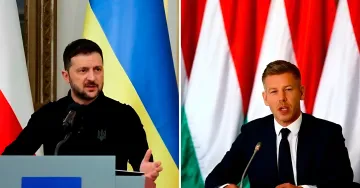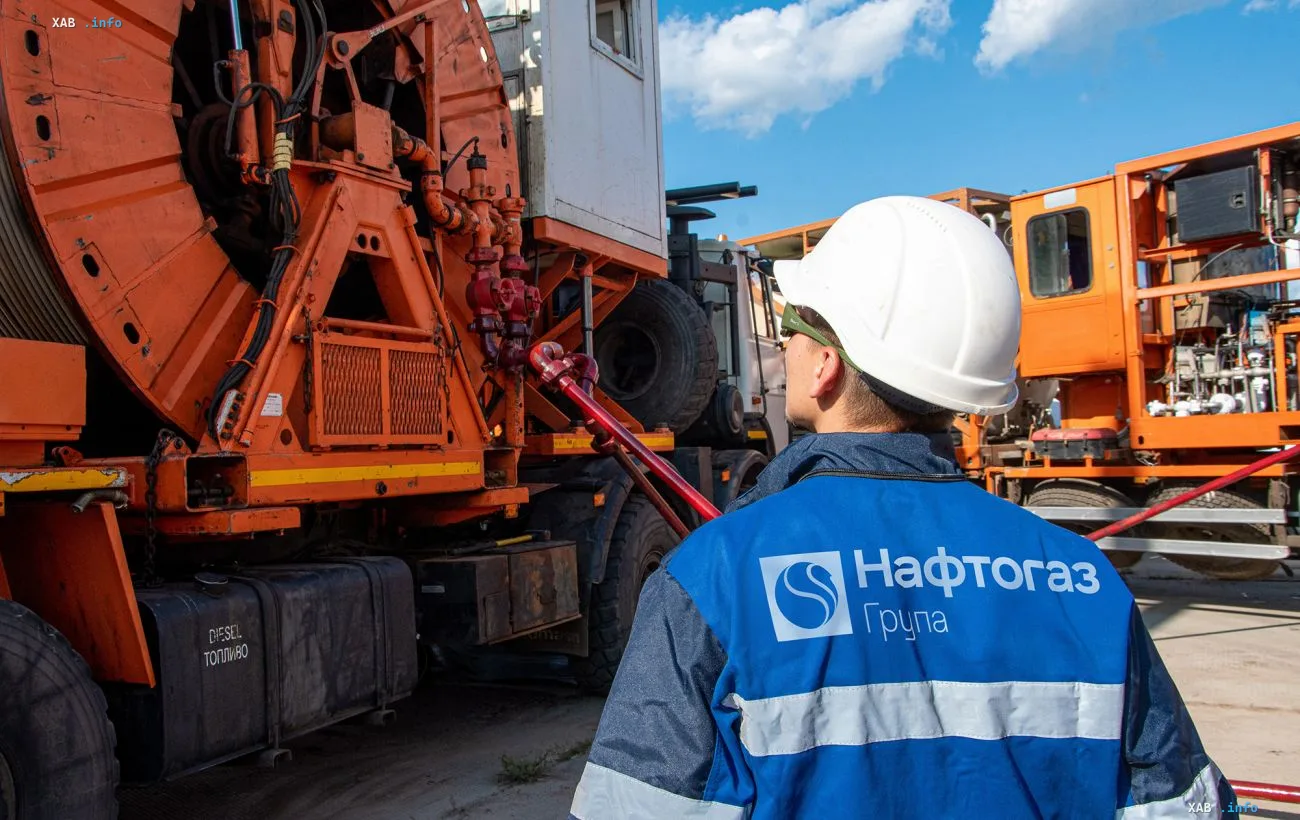
The Naftogaz Group and the Hungarian petrochemical corporation MOL have signed a memorandum on the construction of oil product storage capacity on Hungarian territory near the Ukrainian-Hungarian border. This was announced by the acting Chairman of the Management Board of Naftogaz of Ukraine, Serhiy Fedorov, at the Carpathian Economic Forum, held as part of the C8 Summit. According to him, amid systematic Russian strikes on fuel infrastructure, diversifying supply routes and creating additional reserve storage capacity outside the shelling zone has become a key condition for market stability.
Strategic logic of the agreement
Fedorov emphasized that implementing the agreement with MOL could not only improve the reliability of fuel supplies for Ukrainian consumers but also serve as a driver for mutually beneficial development of cross-border energy infrastructure between Ukraine and Hungary. Placing the storage facilities on Hungarian territory makes it possible to physically move critical fuel reserves out of range of Russian ballistic missiles and strike UAVs, which throughout 2026 have deliberately targeted oil and gas sector facilities in several regions of Ukraine.
Context: 107 massive attacks in five months
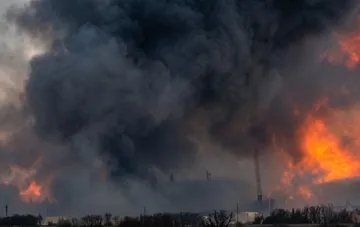
According to data presented by Naftogaz's leadership, as of 5 May, Russia had carried out 107 massive attacks on the group's facilities since the beginning of 2026, primarily targeting gas extraction infrastructure. On 29 May, Russian forces struck oil and gas facilities in several regions within a single day — the greatest damage was sustained in Kharkiv and Sumy Oblasts. On 27 June, at least four ballistic missiles, including one with a cluster warhead, as well as strike drones, were launched at the company's facilities in Poltava and Kharkiv Oblasts. These episodes clearly demonstrate why the question of placing reserve storage facilities beyond the state border has moved from the realm of strategic discussion to practical implementation.
The Carpathian Economic Forum and the C8 Summit
The memorandum with MOL was one of the key agreements recorded at the Carpathian Economic Forum within the framework of the C8 Summit — a format bringing together eight Central and Eastern European countries. Fedorov expressed gratitude to the Prime Minister and the Government of Ukraine for supporting the initiative and also highlighted the effectiveness of the Naftogaz team's work under combat conditions. Signing the memorandum at such a high level underscores the political significance of the project: this is not merely a commercial contract, but the formation of a new element of the regional energy architecture in which Hungary acts not only as a transit but also as an infrastructure partner for Ukraine.
Contradictory data
Analyzing the chronology of attacks on Naftogaz's infrastructure reveals a nuance in the interpretation of the statistics. The figure of "107 massive attacks" was recorded as of 5 May 2026, however, in the subsequent weeks — 29 May and 27 June — additional strikes were documented that were probably not included in the initial count. Thus, the current number of attacks by September 2026 most likely significantly exceeds 107. The discrepancy in the figures is not a contradiction in the strict sense, but requires clarification when citing: the source specifically states "as of 5 May," and any use of this figure without a temporal reference may distort the picture. In addition, the primary materials do not disclose the exact date of signing the memorandum with MOL or the specific location of the future storage facilities on Hungarian territory — these details are likely to be announced during the implementation of the agreement.
What comes next
A memorandum, as a rule, records the parties' intentions and is not a framework contract with legally binding deadlines and investment volumes. It is expected that in the coming months Naftogaz and MOL will move to the detailed design stage: determining the capacity of the tank farm, logistical links with the Ukrainian pipeline network, and issues of financing and operational management. For Ukraine, the project means reducing the vulnerability of the fuel market; for Hungary — deepening energy integration with a neighboring country and a potential strengthening of MOL's position in the eastern direction. The final parameters and implementation timelines will depend on the course of negotiations and the geopolitical context in the region.