The North Atlantic Alliance has officially assumed unprecedented responsibility for Ukraine's security. Against the backdrop of a sharp shift in the geopolitical landscape in Washington, where Donald Trump halted direct funding for Kyiv, 32 NATO member states at the summit in Ankara confirmed a massive support plan. Alliance countries have pledged to allocate 140 billion euros to Ukraine over the course of 2026 and 2027.
This decision is a direct response to the new political reality. The US Ambassador to NATO, Matthew Whitaker, has already stated that Washington has done more for Ukraine than anyone else, and now the main burden of aid falls on the shoulders of Europeans. However, the question remains open: is it realistic to receive the entire promised amount?
The Math of Commitments and Reality
According to the summit's final declaration, Ukraine is to receive 70 billion euros in 2026. These funds are intended for the procurement of military equipment, training of soldiers, and strategic support. For the following year, 2027, countries have promised to maintain funding at an equivalent level.
However, an analysis by the publication Neue Zürcher Zeitung (NZZ) and data from the Kiel Institute for the World Economy paint a less optimistic picture. As of the end of April, the actual amount received by Kyiv from allies amounted to about 10 billion euros. If the pace does not accelerate, by the end of the year, allies may only reach 30 billion instead of the promised 70.
Experts are calling for caution, noting that loud statements often do not match reality. Over four and a half years of war, European institutions and countries have promised 400 billion euros, but in fact, only 180 billion has reached Kyiv — this is less than half of the declared volume.
Geography of Aid: Who Pays and Who Lags Behind
The success of the 140 billion plan depends on the "fair distribution" of costs between European capitals, but serious disagreements are observed within NATO. The geography of aid is extremely uneven:
- Aid Leaders: Germany and the UK confidently hold the lead, demonstrating the greatest readiness to allocate resources.
- Reliable Partners: Denmark and the Netherlands remain stable donors, although their spring aid packages were more modest than previous ones.
- Process Brakes: France, Italy, and Spain are significantly lagging behind the leaders. Their contributions do not correspond to the status of powerful economies, causing tension within the Alliance.
Without an active stance from Paris and Rome, achieving the ambitious goal of 140 billion over two years looks extremely difficult. The situation requires a radical acceleration of logistics and procurement; otherwise, promises will remain only on paper.
Context of the Summit in Ankara
The NATO summit, held on July 7-8 in Ankara, became one of the key international events of the year. Allies agreed on a declaration providing for an increase in defense spending and confirming long-term support for Ukraine.
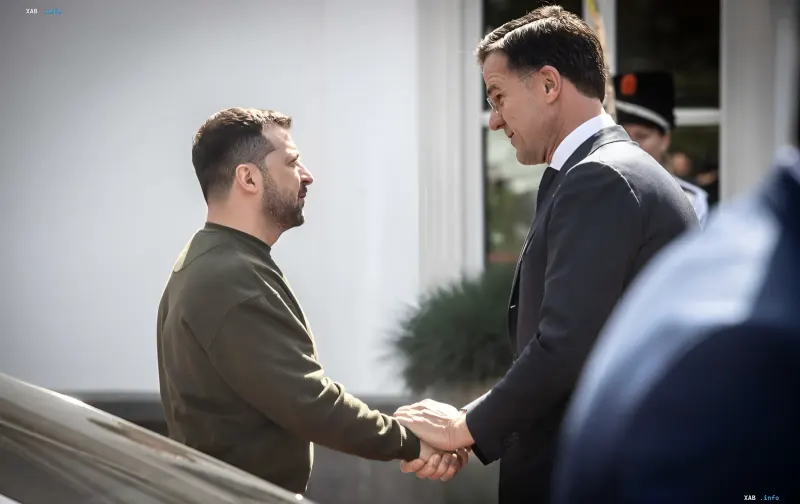
One of the main events of the meeting was the negotiations between the presidents of Ukraine, Volodymyr Zelenskyy, and the USA, Donald Trump. After the conversation, the American leader spoke of a "new beginning" in relations with Kyiv, which, in essence, fixed the transfer of responsibility for the survival of the Ukrainian army to Europe. Now Brussels must prove that it is capable of weathering the storm independently.