
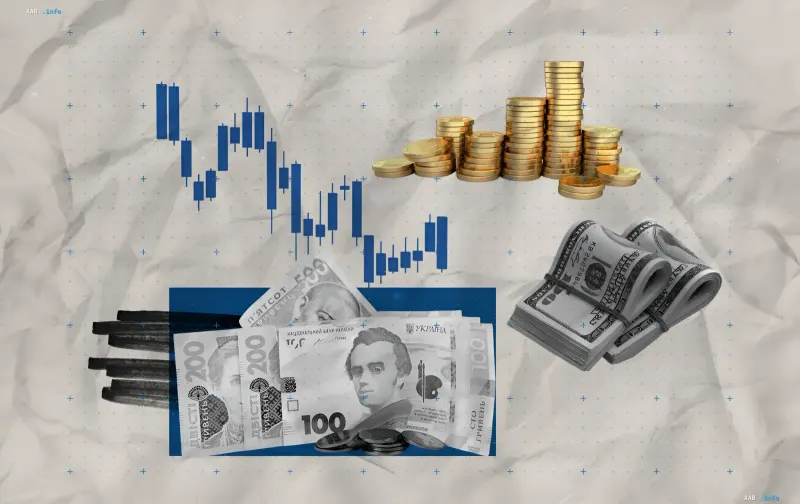
The National Bank of Ukraine set the official exchange rates for Tuesday, September 1, 2026. The US dollar fell by 3 kopiykas compared with the previous figure, while the euro dropped by 25 kopiykas. Thus, the regulator fixed the dollar rate at 44.52 UAH, whereas on August 31 it stood at 44.55 UAH. The European currency fell to 51.63 UAH per euro from 51.88 UAH the day before. The strengthening of the hryvnia on the first day of autumn is confirmed by data published by the NBU and verified by several Ukrainian financial media outlets.
Official rate dynamics: what changed in a day
The 3-kopiyka drop in the dollar rate looks modest, but it is precisely the combined movement of both major currencies toward strengthening the national currency that forms an overall positive signal for the market. The euro, losing 25 kopiykas in a single day, shows a more pronounced correction, which may be linked to both domestic supply-and-demand factors and global trends in the foreign exchange markets. For ordinary citizens and small businesses planning purchases or payments in foreign currency, such movement means a small but noticeable saving when converting.
Expert: short waves of elevated demand possible in early September
Taras Lesovoy, Director of the Financial Markets and Investment Activities Department at Globus Bank, warned in a comment to RBC-Ukraine that short periods of elevated demand for cash currency are possible in early September. According to him, several factors may simultaneously influence buyer behavior: news about Russian shelling, changes in consumer goods prices, the situation in the fuel market, and the approaching heating season. The combined effect of these factors can provoke panic sentiments in certain segments of the population, which translates into higher demand for cash dollars and euros at exchange offices.
The spread between buying and selling rates may widen to 1.3 UAH
Lesovoy noted that in conditions of heightened nervousness, exchange offices may widen the spread — the difference between the buying and selling rates — to 1–1.3 hryvnias or even more. In this way, banks and exchange points bake clients' psychological nervousness into their own margin. The expert emphasized that under such conditions not only the rate itself may change, but also this difference, which makes buying at the moment of peak demand less advantageous for the buyer.
Practical recommendations: should you wait or buy now
According to Taras Lesovoy, if currency is being purchased as a long-term saving, waiting a few days will often change nothing fundamental. However, the expert warns against reacting to news triggers: a report of an alleged record rise in the dollar may lead a person to buy currency precisely at the moment of the seller's maximum price increase. In other words, an impulsive purchase amid the news noise results in buying at the worst available rate. The rational strategy, in the specialist's view, is to avoid panic buying and to focus on medium-term dynamics rather than daily fluctuations.
Context: the Ukrainian foreign exchange market in August 2026
The strengthening of the hryvnia recorded by the NBU on September 1 is taking place against a backdrop of ongoing geopolitical risks and seasonal factors. The fuel market, prices on imported goods, and preparations for the heating season traditionally place elevated pressure on the foreign exchange market in September. At the same time, the regulator demonstrates the ability to keep the rate within a relatively stable corridor, as confirmed by the moderate changes over the day. For businesses and the population, the key benchmark remains not the daily dynamics but the overall trajectory of the rate over the course of a week and a month.