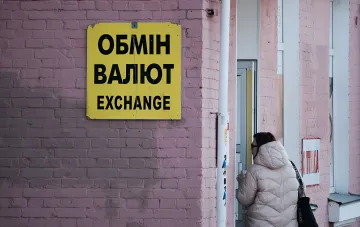
The National Bank of Ukraine has updated official foreign exchange rates for Friday, November 20, 2026. Both major currencies—the US dollar and the euro—showed a moderate weakening against the hryvnia. According to the regulator, the official dollar rate is set at 45.05 UAH, and the euro at 49.53 UAH. Thus, the American currency became 15 kopecks cheaper, and the European one dropped by 4 kopecks compared to Thursday's figures, November 19.
Official rates and daily dynamics
On the previous trading day, November 19, the NBU recorded the dollar rate at 45.20 UAH and the euro at 49.57 UAH. On Friday, the regulator adjusted both figures towards strengthening the hryvnia: the dollar lost 15 kopecks, and the euro fell by 4 kopecks. The slight but consistent decline in both currencies indicates that the hryvnia maintains relative stability amid increased seasonal demand for foreign currency, which is traditionally characteristic of the autumn period.
Autumn demand: No panic, but pressure remains
In the RBC-Ukraine podcast "THIS IS THE BASE," Serhiy Mamedov, Vice President of the Association of Ukrainian Banks and Chairman of the Board of Globus Bank, noted that demand for foreign currency traditionally rises in autumn. However, according to him, there is no talk of panic behavior among the population. The market is functioning within normal seasonal fluctuations, not in panic mode. This is important for understanding the overall picture: an increase in currency sales by the National Bank should not be automatically linked to mass purchases of dollars and euros by individuals.
Energy and military needs: Hidden demand drivers
Mamedov pointed out that the needs of the energy sector and military expenditures play a significant role in shaping currency demand. Rising fuel prices lead to higher procurement costs, and Ukraine is forced to increase imports of energy resources and related goods. Businesses, in turn, seek to hedge against currency risks that affect their operational needs. As a result, clients turn to banks to buy currency to pay for contract materials, goods, diesel fuel, and other resources necessary for maintaining production and logistics chains.
Export restrictions as a systemic challenge
The banker separately emphasized that problems with Ukrainian exports remain relevant and continue to pose serious challenges for the currency market. Restrictions on exporting goods through some checkpoints, logistical difficulties, and changing supply routes reduce the inflow of foreign currency revenue into the country. Combined with growing imports, this creates a structural imbalance that the NBU compensates for with interventions on the interbank market. Nevertheless, current rates of official exchange changes suggest that the regulator manages to keep the hryvnia within a relatively stable corridor, preventing sharp jumps in either direction.
Context: Dollar rate in 2026
For a complete picture, it is worth noting that the 45 UAH per dollar mark became familiar for the Ukrainian currency in 2026: back in early October, the official rate crossed this psychological threshold for the first time. Since then, quotes have been hovering around the 45 UAH level, while the euro remains in the range of about 49–50 UAH. The current slight decline on November 20 continues the trend of moderate hryvnia strengthening recorded over the last few trading days.