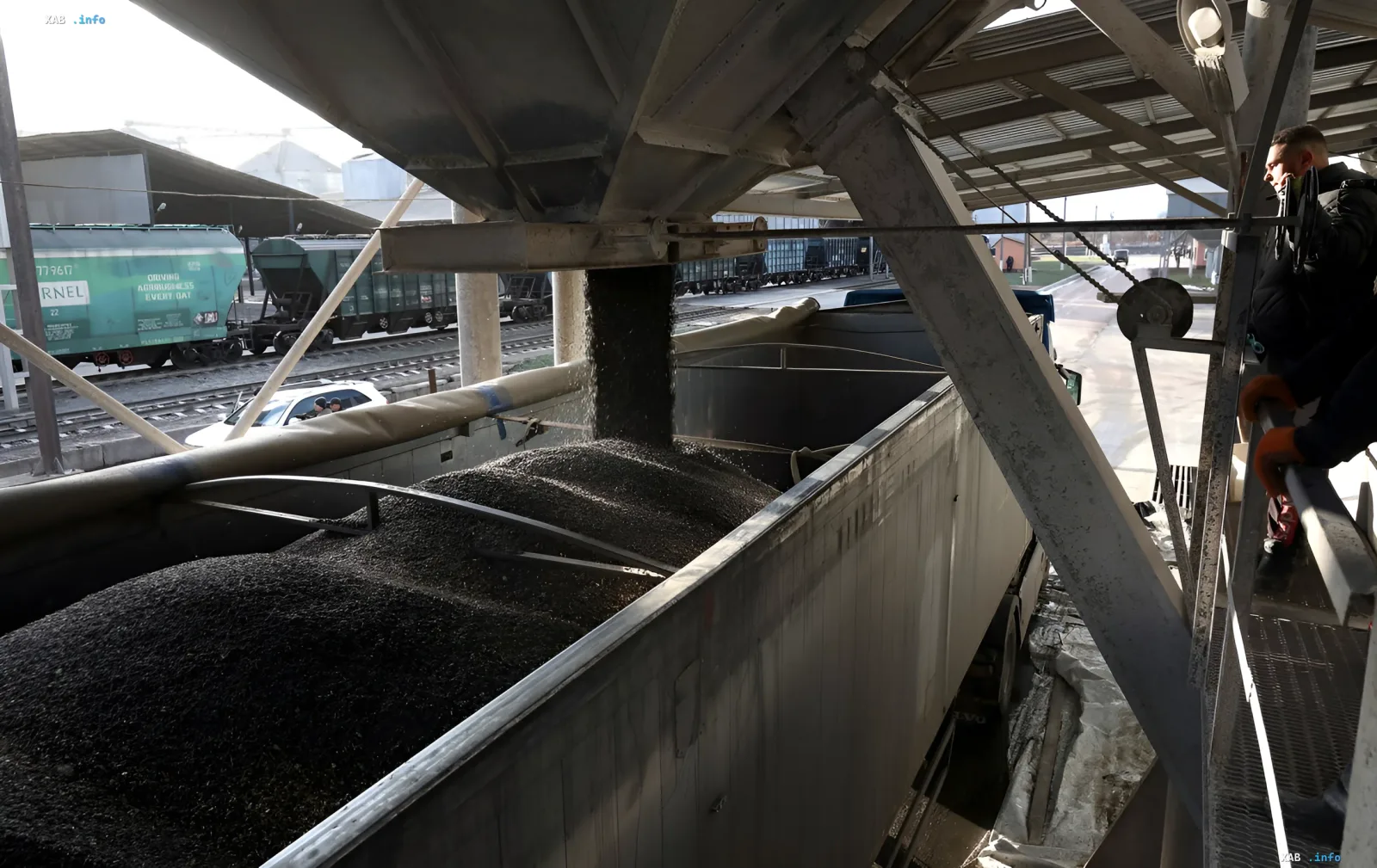
The National Bank of Ukraine has temporarily increased the maximum settlement period for export operations involving certain types of agricultural products from 120 to 150 days. The corresponding Board Resolution No. 97 of the NBU was approved on August 25, 2026, and entered into force on August 26. The changes cover cereal crops, oilseeds, vegetable oils, and by-products of their processing — goods classified under HS codes 1001, 1002, 1003, 1004, 1005, 1201, 1205, 1206 00, 1507, 1512, 1514, and 2306.
Scope of the New Rule and Timeline
The new maximum deadline applies to export operations carried out during the period from July 1, 2026, to August 31, 2027, inclusive. Thus, the regulator has effectively granted agricultural exporters a nearly one-year "window" with extended timeframes for completing currency settlements. The decision was made following consultations with the Ministry of Agrarian Policy and Food and representatives of agricultural enterprises, and it takes into account the government's proposals set out in Cabinet of Ministers Order No. 833-r dated August 21, 2026.
Cause: Strikes on Ports and the Restructuring of Logistics Chains
The NBU directly links the need to extend the deadlines to the deterioration of transportation conditions for Ukrainian agricultural products. In July 2026, Russian attacks on port infrastructure facilities and civilian vessels caused serious problems with maritime logistics. A portion of the cargo had to be rerouted via alternative routes — through land corridors and other ports — which significantly increased the duration of transportation. Under such conditions, the previously established 120-day settlement period proved insufficient for a significant share of export operations, and exporters risked violating foreign exchange legislation requirements not through their own fault, but as a result of force majeure logistical circumstances.
Regulator's Expectations and Impact on Macroeconomic Stability
The National Bank emphasizes that the temporary extension of the deadline should help Ukrainian exporters avoid the risk of violating foreign exchange legislation due to logistics-related circumstances. At the same time, the regulator expects that the decision will not create additional risks to the country's macroeconomic stability. In essence, the NBU is acting as a "shock absorber": it gives businesses additional time to complete settlements, preventing mass violations and the associated sanctions, while at the same time limiting the measure's applicability to a specific time horizon and a list of commodity codes.
Contradictory Data
Upon checking the sources, a discrepancy in wording was found. The main body of data (RBC-Ukraine, delo.ua, ukranews.com) clearly indicates an extension of deadlines for operations on the export of agricultural products — grain, oilseeds, and oils. However, a publication on the apk-inform.com portal (source ID 3) mentions "operations on the export of agricultural machinery" in its headline, which is a different commodity segment and likely refers to a separate NBU decision or contains an inaccuracy in editorial presentation. In the text of Resolution No. 97, to which the other sources refer, the HS codes relate exclusively to agricultural goods, not to machinery. Readers are advised to rely on the primary NBU document and the confirmed versions from RBC-Ukraine and delo.ua.
Context for the Agricultural Sector
The NBU's decision comes against the backdrop of the ongoing transformation of Ukraine's export logistics. The shift of part of the cargo flow from maritime to land routes not only lengthens supply chains but also increases transaction costs. In conditions where grain and oilseeds remain key sources of the country's foreign exchange earnings, maintaining predictable foreign exchange regulation rules for the agricultural business is of systemic importance. The temporary nature of the measure (until the end of August 2027) signals that the regulator views the current logistical difficulties as temporary, while at the same time being unwilling to ignore their practical impact on exporters' operations.