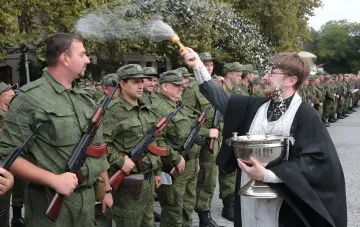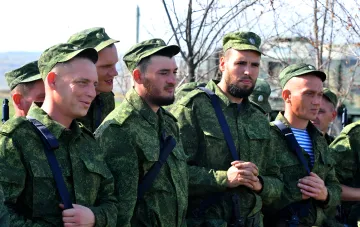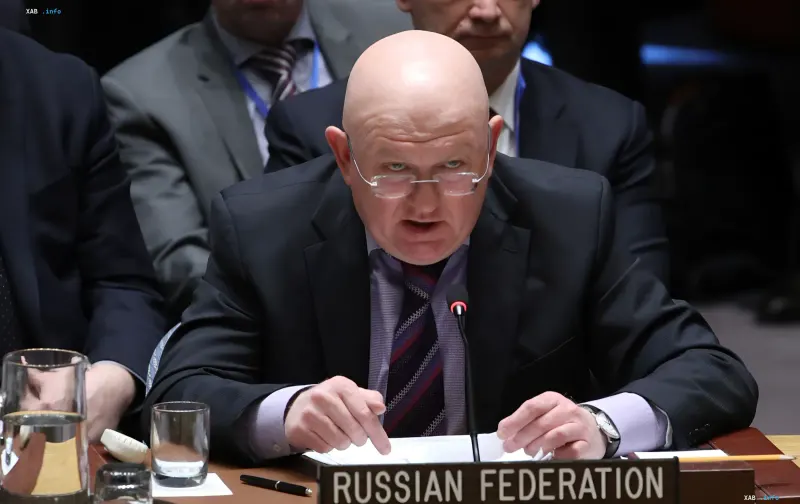
Vasily Nebenzia, the Russian Permanent Representative to the UN, publicly refuted expectations of a mass conscription into the Russian Armed Forces, which, according to reports from various media outlets and analysts, could have been announced after the autumn elections to the State Duma. During his speech, the permanent representative assured that "mass mobilization in Russia is not currently planned," urging not to give credence to rumors about the preparation of a new wave of conscription. The statement came against the backdrop of growing attention from the international community to the staffing of the Russian army and the anomalous outflow of young citizens abroad.
Statement by the Russian Permanent Representative to the UN
According to Ukrinform, cited by RBC-Ukraine, Nebenzia directly answered the question about possible mobilization: "Do not worry about mobilization in Russia. It has been officially stated many times that we do not currently need mass mobilization, and it is not planned and not expected, as far as I know." At the same time, the diplomat reserved the right for Moscow to make future decisions, adding: "But let's see what happens after the elections – and who is right, and who is wrong." Thus, the permanent representative did not give a formal denial for the future, limiting himself to stating current plans.
Outflow of Russians to Georgia as an Indicator
A separate question was asked by a journalist about the mass departure of Russians to Georgia, which in a number of publications is linked to the expected mobilization. Nebenzia refuted this narrative as well: "I would not say that tens of thousands of young Russians are fleeing to Georgia." However, in this context, it is noted that almost 40,000 people left through the pedestrian crossing point into Georgia in just a few days, and observers interpret this phenomenon as a reaction to possible conscription campaigns, which the international community links to the September elections to the State Duma.
Position of Ukrainian Intelligence
Against the backdrop of Moscow's denials, the Ukrainian side, on the contrary, speaks of growing signs of preparation for conscription. Vadym Skibitsky, Deputy Head of the Main Directorate of Intelligence of the Ministry of Defense of Ukraine, reported that intelligence is recording corresponding indicators and will continue to monitor them if the Russian leadership makes a final decision. According to him, Ukrainian intelligence is tracking the dynamics and is ready to react to specific signals of mobilization activity.
Contradictory Data
Here the versions of the parties differ significantly. On the one hand, the official representative of the Russian Federation at the UN categorically denies plans for mass mobilization and downplays the scale of the outflow of citizens to Georgia, stating that it is not about "tens of thousands of fugitives." On the other hand, Ukrainian intelligence and a number of observers point to opposite signals: record passenger traffic through the pedestrian border crossing into Georgia (about 40,000 people in a few days), public statements about signs of mobilization readiness, and the authorities' search for new ways to replenish the army. Thus, the Kremlin's public rhetoric about the "necessity" of conscription does not coincide with behavioral indicators and assessments by the opposing side, making the picture ambiguous.
What This Means for Further Dynamics
Nebenzia's statement should be viewed as an element of information policy: Moscow is trying to remove expectations of a new wave of mobilization from the agenda on the eve of domestic political events, while opponents and analysts continue to track actual markers — population outflow, personnel decisions, and statements by military departments. Until official regulatory acts or direct instructions from the authorities appear, the question of mass mobilization will remain in the plane of contradictory assessments, where the Kremlin's public denials clash with indirect indicators cited by Ukrainian and international observers.