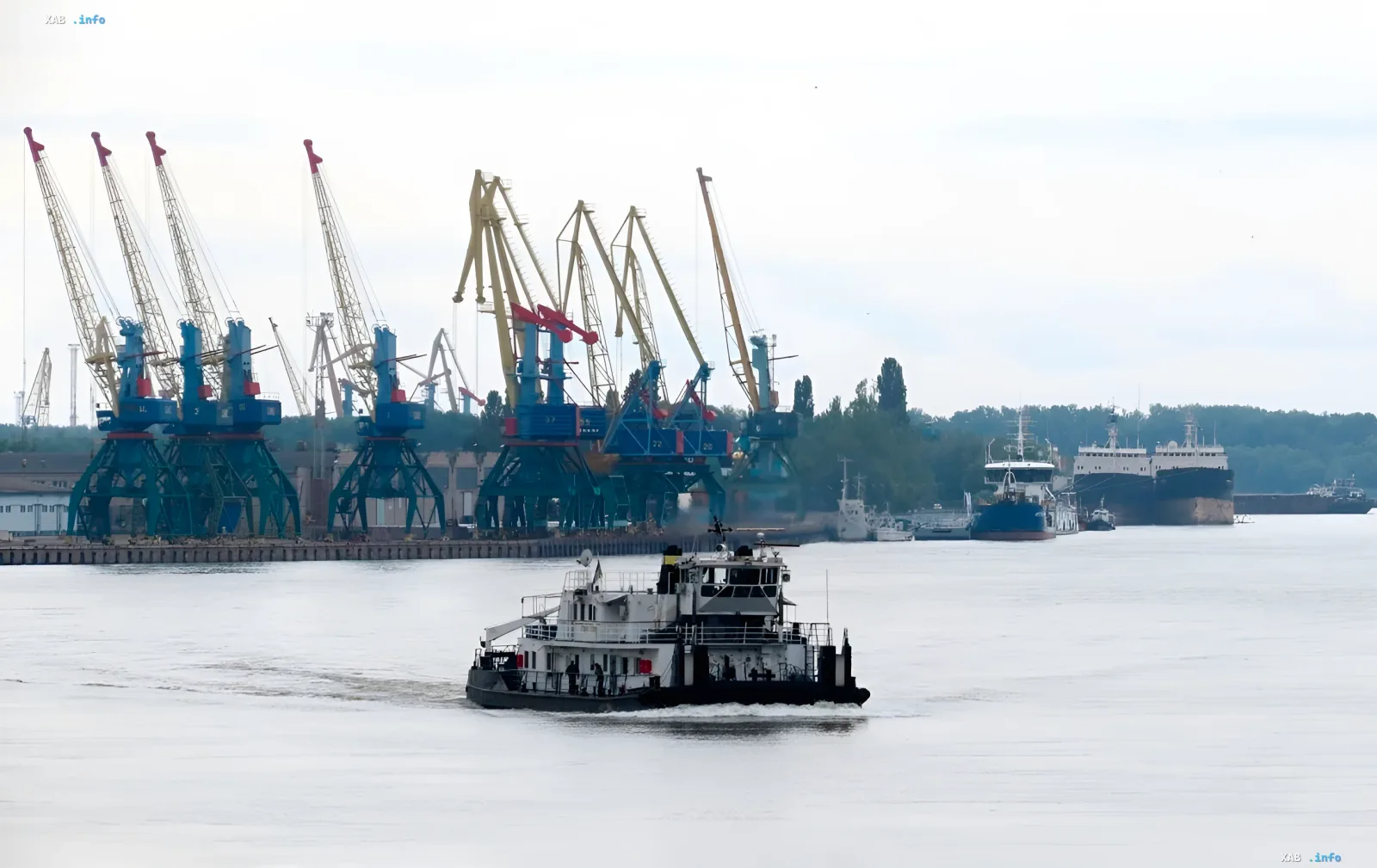
Ukraine's river fleet is currently facing serious systemic challenges caused by aging vessels and idle shipyards. Amid the ongoing war and restrictions on maritime shipping, it is critically important to utilize the potential of the Dnipro and Danube rivers, which can serve as fully-fledged transport arteries to relieve the burden on roads and railways. Every grain or metal truck destroying Ukrainian highways could instead use a cheaper and safer waterway.
Problems of Isolation and the Outdated Model
For years, Ukraine's inland water transport has remained trapped in a vicious circle: vessels are aging, plants stand without orders, and businesses refuse to take risks. In current realities, when Greater Odesa ports operate under constant threats, the Danube has once again become a key alternative route. However, spontaneous use of rivers without a systematic approach fails to solve fundamental industry problems, leaving shipowners and shipyards in a permanent crisis.
The Cluster Approach as a Way Out of the Deadlock
A transport and shipbuilding cluster, integrating disparate supply chain elements into a single mechanism, could solve this problem. The core idea is for customers, shipbuilders, captains, repairers, and scientists to work in close coordination even at the design stage of new vessels. Such an orchestral approach allows for prompt maintenance management, minimizing fleet downtime and reducing business costs.
Digitalization and the Full Life Cycle of the Fleet
The most crucial element of the cluster model is managing the full life cycle of a vessel — from design and construction to disposal. Creating a unified digital platform will ensure instant data exchange among operating companies, repair yards, and design bureaus. This will make it possible to promptly eliminate design flaws based on the actual operational experience of the river fleet under difficult conditions.
Personnel, Finance, and Prospects
For the successfully updated industry to function, training new personnel through dual education combining theory with practice at shipyards is essential. Public-private partnership (PPP), including leasing mechanisms, risk insurance, and long-term contracts, should form the financial foundation of the project. Implementing this strategy will not only revive Ukrainian shipbuilding but also reduce the burden on the country's ecosystem and infrastructure.
Contradictory Data
Despite the obvious benefits of the cluster model, the expert community diverges in assessing the pace of its implementation amid the current economic crisis. Critics note that attracting long-term investments in shipbuilding during large-scale military actions entails colossal risks for private capital, requiring unprecedented state security guarantees. Meanwhile, supporters of the model insist on the immediate launch of pilot public-private partnership projects to prevent the final degradation of river infrastructure.